2026 Best Fitness Aerobic Step Platform for Home Workouts
Home workouts have become a practical way to fit movement into busy days, but useful equipment should earn its floor space. A Fitness Aerobic Step Platform can support step-ups, low-impact cardio, and simple strength circuits in a small room. Think of a sturdy surface, adjustable risers, and shoes gripping the floor—not a complicated setup. Small details matter.
The World Health Organization recommends that adults complete 150–300 minutes of moderate-intensity aerobic activity each week, alongside muscle-strengthening activity on at least two days. A step platform can help structure short sessions, though it cannot replace a balanced routine or guarantee results. The American College of Sports Medicine’s 2025 Worldwide Fitness Trends survey ranked mobile exercise apps second and traditional strength training fifth. Those findings reflect demand for accessible, adaptable training, not proof that every home needs a step. That distinction matters.
This guide explores what to look for in the 2026 Best Fitness Aerobic Step Platform for Home Workouts, including stability, height settings, surface grip, storage, and beginner-friendly use. A higher platform is not automatically better. Nor does a low price always mean poor quality. Compare product specifications carefully, and check weight limits and dimensions before buying. Small rooms can make an awkward step feel enormous. The right choice should suit your space, movement level, and actual routine—an honest fit, even if it is less exciting than a flashy feature list.
What an Aerobic Step Platform Is and How It Supports Home Workouts
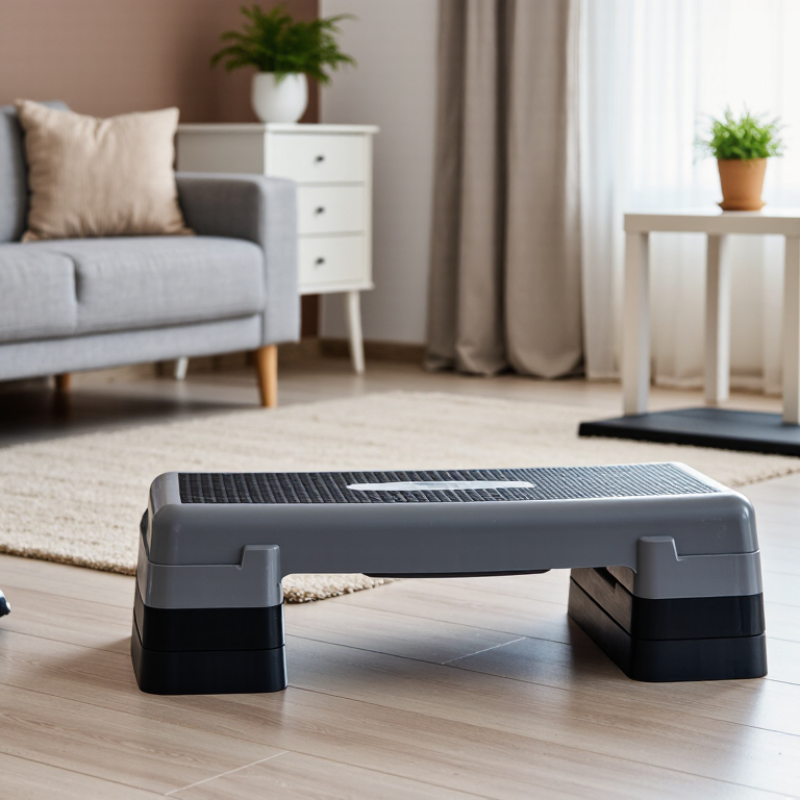
An aerobic step platform is a low, sturdy surface used for stepping, marching, and simple choreographed movements. Its height may be fixed or adjustable, depending on the design. During a workout, stepping up and down adds a modest elevation change that can raise effort without requiring much floor space. Small changes matter. A few minutes of controlled step-ups can make a familiar routine feel more challenging.
At home, the platform can support low-impact cardio, warm-ups, and basic strength exercises such as incline push-ups. Changing the step height or pace lets many people adjust the workout to their current fitness level. It can also serve as a visual guide for foot placement. Still, it is not automatically gentle on every joint. Fast routines and high steps may feel uncomfortable, especially for beginners or people with balance concerns.
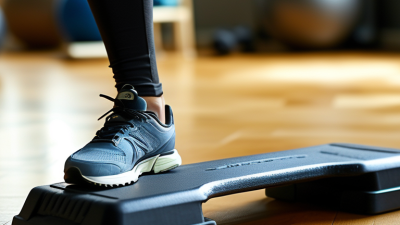
Set the platform on a dry, level floor, and check that it does not wobble before starting. Wear shoes with a secure fit, and leave space around the step for safe movement. Begin with a low height and a slow pace; increase either only when your movements remain controlled. One detail is easy to miss: sweat near the platform can make the floor slippery. If stepping causes pain, stop and consider a lower-impact movement instead.
Key Design Features and Types of Step Platforms in 2026
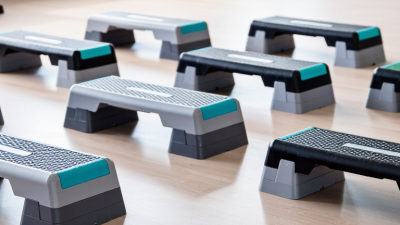
A good aerobic step platform should feel stable before a workout gets fast. Look for a broad, textured top that gives your whole foot room to land. Rounded edges can reduce toe bumps, while rubber feet help limit movement on smooth floors. Check the platform’s stated weight capacity and inspect its surface for wear. These details matter.
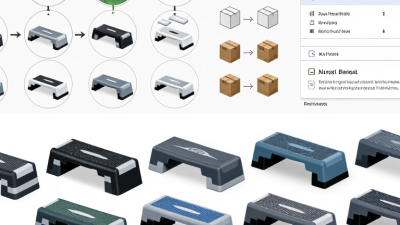
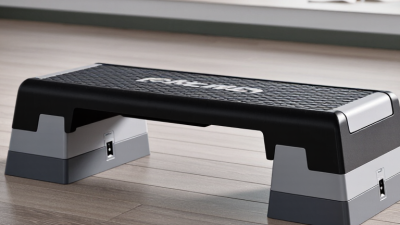
Step platforms generally come in fixed-height and adjustable-height designs. Fixed models are simple and quick to set up, but offer less progression. Adjustable versions use removable risers, often adding one or two height levels. That range can make low-impact stepping easier to scale, though every riser must lock firmly in place. A platform that wobbles is not a useful challenge. It is a distraction.
Tips: Place the step on a flat, dry floor, and test it with a few slow steps before raising your pace. Keep enough clearance around it for side steps and arm movement. Choose a height that lets you step up without straining your knees or leaning forward. In practice, the tallest setting can look appealing, but it may not suit every routine. Recheck the locks occasionally; it is an easy detail to overlook.
How to Compare Platform Height, Size, Stability, and Materials
Choosing an aerobic step platform starts with height, not color. A lower setting suits controlled stepping and helps beginners keep movements steady. Higher settings increase the range of motion, but they also demand more balance and effort. Check that the height changes lock firmly; a loose riser can shift underfoot. Small details matter. Your knees should feel comfortable during repeated step-ups, not strained.
Measure the usable surface, then compare it with your natural stance. A narrow platform can feel cramped when you step diagonally or add arm movements. In a typical home setup, leave clear floor space around it, especially near walls and furniture. Test the platform on the floor where you plan to exercise. Tile, carpet, and uneven boards can affect grip differently. This check is useful, though it may not predict every movement perfectly.
Look for a textured top and feet that resist sliding. Dense plastic is common because it is light and easy to clean, while sturdy construction helps limit flex. Still, “heavy” does not automatically mean stable. Read the stated weight limit and inspect the risers, seams, and underside for damage. Test it first. Step gently, then increase pace only if the platform stays level and quiet. If it rocks, slips, or clicks, reconsider the setup.
Choosing a Step Platform for Your Space, Fitness Level, and Budget
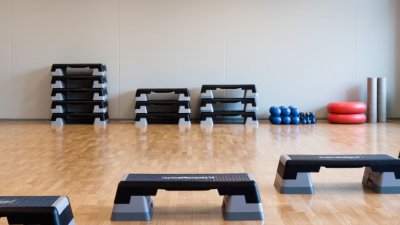
A good aerobic step platform should fit your room before it fits your workout plan. Measure the clear floor area, including space around the platform for stepping and turning. A compact, fixed-height model may suit a small apartment, while an adjustable model offers more room to progress. Check that its feet grip your floor and its weight rating exceeds your body weight. Stability matters more than a flashy design.
Your fitness level should guide the step height. Beginners can start low, practice controlled step-ups, and keep a sturdy wall or chair nearby for balance. More experienced users may value adjustable height, but raising it too quickly can strain knees and ankles. The American College of Sports Medicine’s 2025 Worldwide Fitness Trends survey ranked wearable technology first. That points to growing interest in measurable exercise, not proof that a taller step delivers better results. Form still counts.
Budget for the platform you will actually use. A basic fixed-height step may be enough for short routines; adjustable models can cost more but support gradual changes. Compare the surface size, stability, height settings, and stated weight capacity—not just the price. The World Health Organization recommends adults get 150 to 300 minutes of moderate activity weekly. A step platform can help, but it is only one option. And honestly, unused equipment is expensive. A small platform beside the sofa may be more practical than a larger one you keep moving out of the way.
2026 Best Fitness Aerobic Step Platform for Home Workouts
Choosing a Step Platform for Your Space, Fitness Level, and Budget
How to use this chart: Adjustable aerobic step platforms commonly offer 4-, 6-, and 8-inch height settings. Start at the lowest setting while learning, then raise the platform only if the movement feels controlled and comfortable. Check the platform’s footprint against your available workout space and compare prices within your budget.
Safe Setup, Effective Workouts, and Basic Platform Care
Set the aerobic step on a firm, level floor, away from rugs that can slide. Check that every riser is fully seated and the platform does not rock. Leave clear space around it, especially behind your heels. Wear shoes with good grip, and keep water nearby. Small details matter.
Begin with the lowest height and a few minutes of gentle marching. Step up and down with control, placing your whole foot on the surface and keeping your knees aligned with your toes. Try simple alternating steps before adding arm movements or faster patterns. Keep it simple. If balance feels uncertain, slow down or hold a stable support nearby. Fatigue can make familiar moves feel less steady; that is a good reason to pause, not push harder.
After each session, look for cracks, worn grip, or loose risers. Wipe away sweat with a soft cloth and let the platform dry before storing it. Avoid harsh cleaners unless the care instructions allow them. A quick inspection takes little time, though it is easy to skip when you are tired. Check again before your next workout.