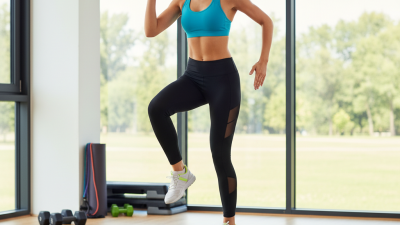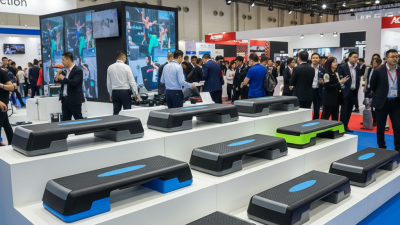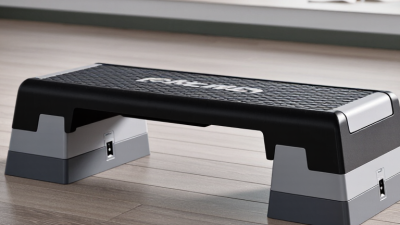
A compact step can turn a small studio corner into a lively training space. Fitness Aerobic Step Platform products support choreography, cardio intervals, and basic strength exercises, making them useful across home, studio, and group-fitness settings. Their simplicity can be misleading. Grip, platform stability, height adjustment, and weight capacity all affect everyday use.
The World Health Organization’s 2024 analysis in The Lancet Global Health estimated that 31% of adults worldwide did not meet recommended physical activity levels in 2022. Meanwhile, the American College of Sports Medicine’s 2025 Worldwide Fitness Trends survey highlights continuing demand for accessible exercise options, including wearable technology and programs for older adults. These reports do not measure step-platform sales directly, but they offer useful context for suppliers serving varied fitness needs.
This “China Top 10 Fitness Aerobic Step Platform Suppliers” guide compares manufacturers through practical buyer considerations: product range, material and construction details, customization, export experience, and communication. A list is a starting point, not proof of quality. Supplier information can change, and published specifications may not capture real-world grip or stability. Ask for current product documents, samples, and clear testing details before placing a large order. Small details matter. Even a solid-looking platform deserves a closer check.
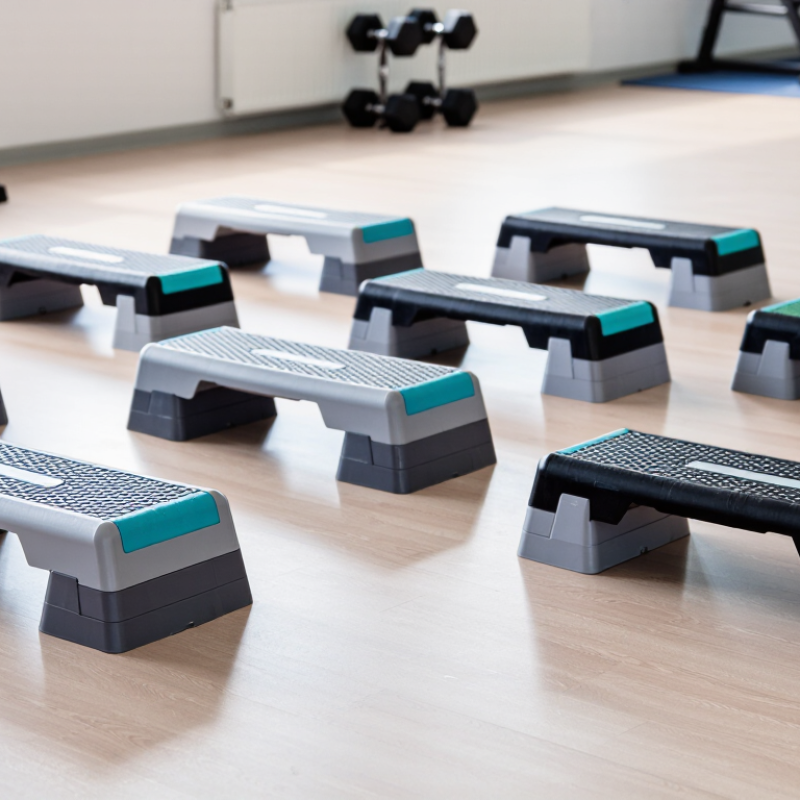
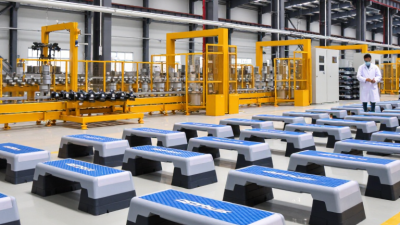
China’s fitness aerobic step platform supplier landscape includes factories focused on molded plastic products, sports equipment, and broader fitness accessories. Their capabilities vary. Some offer basic platforms with fixed risers, while others provide adjustable heights, textured surfaces, and replacement parts. Buyers should compare actual product samples, not just catalog images.
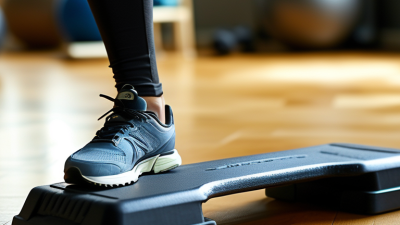
A platform’s details matter in daily use. Check whether the feet sit flat on a hard floor, the surface grips under damp shoes, and the risers lock firmly in place. Ask suppliers for material specifications, load-test procedures, and inspection records. These documents help, but they do not replace hands-on checks. Not every catalog tells the whole story.
Customization may cover platform dimensions, colors, packaging, and printed instructions. That flexibility can help retailers serve different markets, though extra options may complicate production schedules. Request a clear sample timeline and confirm how approved specifications will be checked during manufacturing. One point is easy to miss: a stable platform in a quiet showroom may feel different during repeated step routines. Supplier evaluation should include practical testing, consistent quality checks, and candid discussion of limitations.
A supplier’s catalog is a starting point, not proof of product quality. Ask for platform dimensions, material specifications, maximum load test results, and clear photos of the underside and adjustable risers. Check whether the surface texture feels consistent and whether the feet stay firm on a smooth floor. Small details matter. A loose riser can affect stability during repeated step-ups.
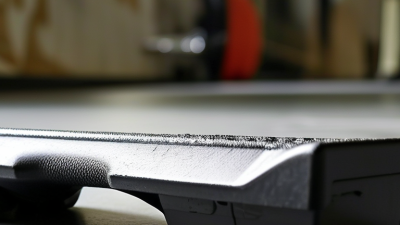
Request a sample before discussing a large order. Test it with the intended footwear and on the type of flooring used in your facility. Look for flex, rocking, sharp edges, and uneven molding. Ask how the supplier checks production batches, handles defects, and records inspection results. Confirm minimum order quantities, sample fees, lead times, and packaging details in writing. A polished reply is useful, but vague answers deserve follow-up.
Tips: Compare the same specifications across suppliers, not just unit prices. Ask who performs load testing and how often. Measure twice. Then document any changes to dimensions, color, or packaging. Even careful checks cannot remove every risk, and I would not treat a smooth sample as proof that every production unit will match.
The ten supplier profiles reflect different strengths in China’s aerobic step platform market. One focuses on basic molded platforms for home workouts. Another offers adjustable risers for changing step height. A third emphasizes textured surfaces for grip. A fourth develops compact designs that fit small studios. A fifth supplies heavier platforms for frequent group classes. Details vary.
The remaining profiles highlight different production priorities. One supplier supports custom colors and packaging. Another offers coordinated sets with risers and resistance accessories. A further supplier focuses on export-ready cartons and consistent batch production. One specializes in platform designs for rehabilitation and low-impact exercise. The tenth combines several features, but its product range may be less focused. These are capability profiles, not verified company rankings; check current specifications, quality records, and sample units before making comparisons.
Tips: Ask for platform dimensions, maximum load data, surface-finish details, and riser compatibility. Test a sample on a hard floor. A glossy product photo proves little. Confirm how specifications are tested, and review the actual carton size before ordering.
An anonymized sourcing overview. The profiles below are illustrative supplier archetypes, not verified or ranked company records. Product dimensions, materials, load ratings, certifications, customization, and order terms vary by model and should be confirmed directly with each supplier.
| Profile | Typical Product Focus | Platform Design | Common Height Configuration | Customization to Confirm | Quality Checks to Request | Best Fit for Buyers Seeking |
|---|---|---|---|---|---|---|
| Supplier Profile 01 | General-purpose aerobic step platforms | Molded plastic deck with detachable risers | Ask whether 2- or 3-level options are available; confirm the actual height of each level | Color, logo placement, packaging, and deck dimensions | Deck stability, riser fit, surface grip, and supplier-declared load rating | Standard home and studio training programs |
| Supplier Profile 02 | Compact platforms for home workouts | Space-saving deck with stackable risers | Request the full dimensions at every height setting | Retail carton design, color selection, and instruction inserts | Stacking security, floor contact, packaging protection, and load-test method | Compact storage and direct-to-consumer retail |
| Supplier Profile 03 | Commercial-use step platforms | Wider deck with replaceable or stackable risers | Confirm available levels and whether risers are sold separately | Deck size, surface texture, color, and bulk-pack configuration | Repeated-use testing, slip resistance, and documented load rating | Gyms, group exercise studios, and institutional purchasing |
| Supplier Profile 04 | Entry-level fitness equipment ranges | Basic molded deck and detachable riser set | Confirm the supplied riser count and assembled heights | Private-label packaging, color, and bundled accessories | Material specification, sample consistency, and carton drop-test evidence | Value-focused assortments and introductory product lines |
| Supplier Profile 05 | Premium-finish step platforms | Textured deck intended to improve foot grip | Ask for measured platform height at each setting | Surface pattern, color matching, branding, and retail presentation | Surface wear, grip performance, edge finish, and material declarations | Retailers prioritizing appearance and product presentation |
| Supplier Profile 06 | OEM and private-label fitness products | Configuration depends on the buyer’s approved specification | Specify target heights and tolerances in the purchase specification | Logo, color, packaging artwork, manuals, and product configuration | Pre-production sample approval, inspection criteria, and batch traceability | Brands and importers developing their own product identity |
| Supplier Profile 07 | Export-oriented fitness equipment supply | Standard platform formats with export packaging options | Confirm dimensions in both metric and imperial units where required | Carton labeling, language versions, and shipping-pack configuration | Request applicable test reports and verify their scope and validity | Importers needing export documentation and shipment coordination |
| Supplier Profile 08 | Multi-product fitness equipment sourcing | Step platforms supplied alongside other training accessories | Check whether platform and riser options are consistent across models | Mixed-product bundles, assortments, and combined packaging | Model-by-model specifications, incoming inspection, and accessory compatibility | Buyers consolidating several fitness categories into one order |
| Supplier Profile 09 | Custom-color and design-led platforms | Molded deck and risers with model-dependent finish options | Confirm whether requested colors affect available configurations or lead time | Color matching, logo treatment, and packaging artwork | Color sample approval, surface consistency, and production-sample comparison | Retail programs requiring coordinated product colors |
| Supplier Profile 10 | Project and bulk-order supply | Model and packing format selected for the project specification | List required assembled heights and tolerances in the quotation request | Bulk packaging, shipment labeling, and delivery scheduling | Approved sample, inspection plan, production schedule, and shipment records | Distributors, fitness facilities, and large-volume procurement projects |
Buyer checklist: request a current specification sheet, sample, material details, supplier-declared load rating and test method, applicable compliance documents, quotation terms, MOQ, lead time, and written confirmation that production units match the approved sample.
Fitness aerobic step platforms vary in deck size, height, surface texture, and riser design. Common options include fixed-height steps and adjustable models with stackable risers. Buyers can request textured decks, color choices, custom dimensions, packaging, and private-label markings. Fit matters. A compact platform suits tight studio floors, while wider decks give users more room for lateral movement.
Manufacturing capability matters as much as the product range. Ask whether a supplier controls tooling, material selection, molding, assembly, and inspection. Request the platform’s rated load, test method, and batch quality records; a glossy surface alone proves little. For molded plastic, consistent wall thickness and secure riser connections help reduce wobble during repeated stepping. These details deserve checking, not assuming.
Demand gives this category a broad participation context. The SFIA 2024 Topline Participation Report estimated that 242.4 million Americans took part in at least one sport, fitness, or recreational activity in 2023, representing 78.8% of the population. That figure does not measure step-platform sales, but it signals a large active-user base. Suppliers serving home users and studios may need different sizes, packaging, and order volumes. Customization can help, though extra colors or tooling may increase lead times. Trade-offs are real.
China Top 10 Fitness Aerobic Step Platform Suppliers
Compare suppliers using the same sample and checklist. Check platform dimensions, surface grip, edge finish, and stability under repeated stepping. Ask for load-test methods and recent quality records, not just catalog claims. ISO 9001 can indicate a quality-management system, but it does not certify every product’s performance.
Pricing needs context. Compare unit cost at the same order quantity, then add tooling, packaging, freight, and replacement-part costs. The WHO’s Global Status Report on Physical Activity 2022 estimates that 1.8 billion adults were insufficiently active in 2022. This supports demand for accessible exercise options, but it does not prove demand for step platforms specifically. Details matter.
ACSM’s Worldwide Survey of Fitness Trends 2025 ranked wearable technology first and mobile exercise apps second. These trends make clear product instructions and compatible training content useful, though the survey does not measure step-platform sales. For export service, check whether suppliers provide clear carton dimensions, shipping documents, sample timelines, and responses to defect claims. Request certificates and test reports relevant to your destination market, and verify their scope and dates. A low quote can still be the wrong choice. One gap remains: supplier comparisons often overlook replacement-part availability after the first shipment.
Suggested evaluation weights: quality 35%, pricing 25%, certifications 20%, and export services 20%. These are framework weights, not verified supplier-specific ratings or rankings; assess each supplier using current documentation and quotations.