
China Top 10 Aerobic Stepper Manufacturers for Global Buyers
Choosing an Aerobic Stepper supplier in China involves more than comparing prices or browsing polished product photos. Global buyers need to assess platform stability, surface grip, riser fit, production consistency, and communication. Small details matter. A loose riser or slippery top can undermine an otherwise attractive product.
This guide introduces ten manufacturers for buyers evaluating sourcing options. It considers product range, customization, manufacturing experience, quality-control practices, and export support, while recognizing that capabilities can change over time. Buyers should confirm specifications directly, request current samples, and review test reports before placing an order. Check the platform’s dimensions, material, stated load capacity, and carton protection. Ask how defects are recorded and how production batches are inspected. Those questions are practical, not overly cautious.
Supplier claims deserve verification. A factory profile or certificate alone cannot establish how a finished stepper performs in daily use. Where available, compare sample units under consistent conditions and clarify minimum order quantities, lead times, packaging, and after-sales procedures in writing. No shortlist is perfect. A manufacturer that suits a large retail program may not fit a small trial order, and a low quote may leave important service details unclear. Use the profiles that follow as a starting point, then match each supplier’s evidence and working process to your market’s needs.
What Is an Aerobic Stepper and How Is It Used?
China Top 10 Aerobic Stepper Manufacturers for Global Buyers
What Is an Aerobic Stepper and How Is It Used?
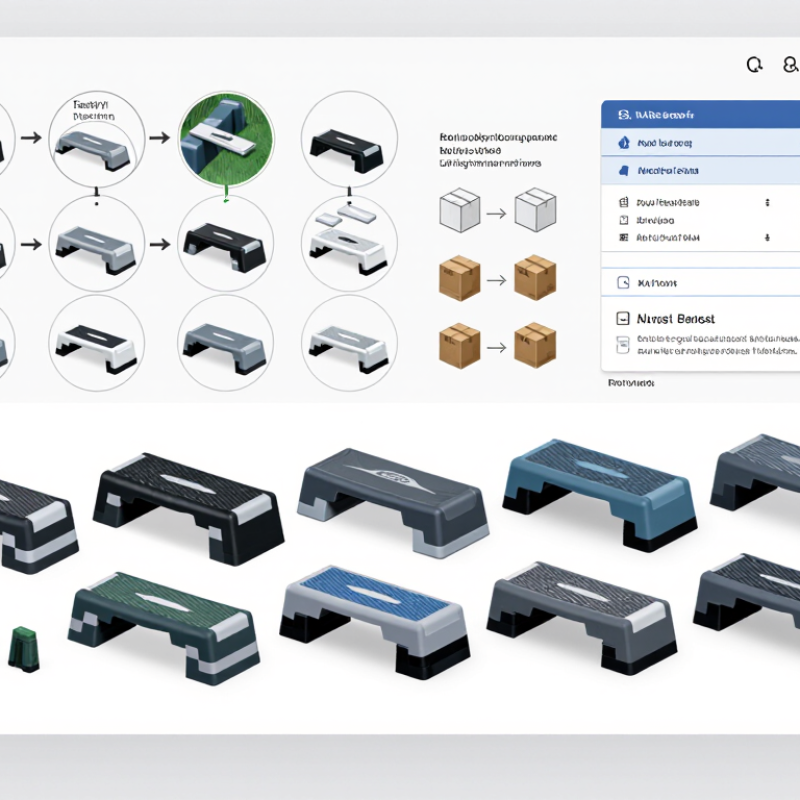
An aerobic stepper is a sturdy, raised platform used for low-impact cardio and step-based exercise. Most models have a textured top to help shoes grip during movement. Some offer adjustable risers, which change the platform’s height and exercise intensity. The basic action is simple: step up, bring both feet onto the platform, then step down with control. Small changes matter. A higher platform is not automatically better.
At home or in a gym, users often follow steady step patterns or combine stepping with arm movements. Keep your chest lifted, look ahead, and place each foot fully on the platform. Step down quietly rather than dropping your weight onto the floor. Beginners can start with a low setting and short intervals, then pause when breathing becomes difficult. A clear, nonslip floor area helps reduce the chance of tripping. Still, technique can slip when fatigue sets in, so slow down before your steps become hurried.
Tips: Check that the platform sits evenly before each session. Wear supportive shoes, and leave space around all sides. If a movement causes pain or dizziness, stop and reassess. Make the workout fit your current ability.
China Top 10 Aerobic Stepper Manufacturers for Global Buyers - What Is an Aerobic Stepper and How Is It Used?
| No. | Buyer Evaluation Area | What to Check | Why It Matters | Practical Buyer Question |
|---|---|---|---|---|
| 1 | Product purpose | An aerobic stepper is a raised platform used for step-based cardio, choreography, and some low-impact fitness exercises. | Confirm that the product is designed for the intended exercise setting, such as home use, group classes, or a fitness facility. | What type of user and workout is this model designed for? |
| 2 | Typical use | Users step up and down, perform alternating step patterns, or use the platform as a raised surface for selected body-weight exercises. | Clear intended-use guidance helps buyers choose a suitable platform and provide appropriate instructions to end users. | Are exercise instructions and safety guidance available? |
| 3 | Platform dimensions | Compare the platform’s length, width, and usable stepping area against the space and workout needs of the intended users. | Platform size affects available foot-placement area, storage, shipping volume, and compatibility with the training space. | Can you provide a dimensioned drawing and packed dimensions? |
| 4 | Step height and adjustment | Check the platform’s working height and whether compatible risers allow the height to be changed. | Height changes exercise intensity and should be selected according to the product design and user ability. | What heights are supported, and how are risers secured? |
| 5 | Surface traction | Inspect the top surface for a texture or finish intended to help provide grip during exercise. | A suitable surface can help reduce slipping risk, but users should also follow the product’s use instructions and keep the platform clean and dry. | What surface material or texture is used, and how should it be maintained? |
| 6 | Stability and base contact | Review the underside, feet, riser connection points, and platform construction for stable contact with a suitable floor. | Stability depends on product design, assembly, floor condition, and correct use; it should not be assumed from appearance alone. | What stability checks are performed on the assembled product? |
| 7 | Load rating and test evidence | Request the stated maximum user or load rating and the test method or supporting documentation for that rating. | Load limits vary by model. Buyers should use the manufacturer’s documented rating rather than relying on an estimate. | What load rating applies, and can you provide test records or reports? |
| 8 | Materials and finish | Ask for material specifications for the platform, risers, and non-slip components, along with available color and finish options. | Material and finish choices affect product feel, appearance, cleaning requirements, and suitability for the buyer’s market. | Can you provide material specifications and samples for approval? |
| 9 | Quality control and compliance | Request information on incoming-material checks, production inspection, final inspection, and any applicable test or compliance documents. | Requirements depend on the destination market and product claims. Buyers should verify documents and applicable rules for their own shipment. | Which inspections and market-specific documents can you support? |
| 10 | Export and order details | Confirm minimum order quantity, lead time, packaging, shipping dimensions, spare-part availability, and warranty terms in writing. | These details affect landed cost, delivery planning, after-sales support, and the buyer’s ability to handle product issues. | Can you provide a written quotation with packaging, lead time, and warranty terms? |
This is a buyer-focused comparison checklist, not a verified ranking of individual manufacturers. Product specifications, load limits, testing, and compliance documents vary by model and supplier and should be confirmed directly before purchase.
Related Posts
-

China Top Aerobic Stepper Platform at 2026 Canton Fair?
-

What is the Best Aerobic Stepper for Your Workout in 2026?
-
7 Best Reasons to Choose Balance From Aerobic Step for Your Home Workout
-
2026 How to Choose Balance From Aerobic Step for Global Buyers
-
2026 Best Aerobic Exercise Step Platform Buying Guide
-

2026 How to Use Total Body Workout Weighted Bar Effectively?