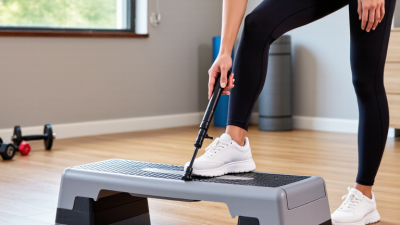
How to Choose an Exercise Step Platform for Your Business?
Selecting an Exercise Step Platform is a practical business decision, not just a matter of color or price. The right platform must suit your customers, class formats, storage space, and expected daily use. It should feel stable underfoot, offer dependable grip, and have a clearly stated weight capacity. Small details matter. A loose riser can interrupt a class.
Industry reports offer useful context, though they cannot predict sales for one particular business. The American College of Sports Medicine’s Worldwide Survey of Fitness Trends 2024 ranked wearable technology as the leading trend, reflecting growing interest in measurable exercise. The Health & Fitness Association’s 2024 Global Report provides broader data on the health club market and its operators. Together, these sources suggest a useful purchasing lens: consider how equipment supports varied, trackable workouts, while checking whether that demand fits your own members. Trends are clues, not guarantees.
Before comparing suppliers, define the platform’s job. Will it serve high-energy group classes, personal training, or home-fitness retail? Compare adjustable height, deck dimensions, surface texture, load rating, replacement-part access, and warranty terms. Ask suppliers how products are tested and what happens when a component wears out. Request product specifications in writing. Then test a sample, if possible, on the floor where it will be used. A platform that looks solid in a catalog may shift on a busy studio surface. I have seen purchasing plans focus too heavily on unit cost; that is understandable, but incomplete. A careful choice balances safety, durability, user comfort, and total ownership cost.
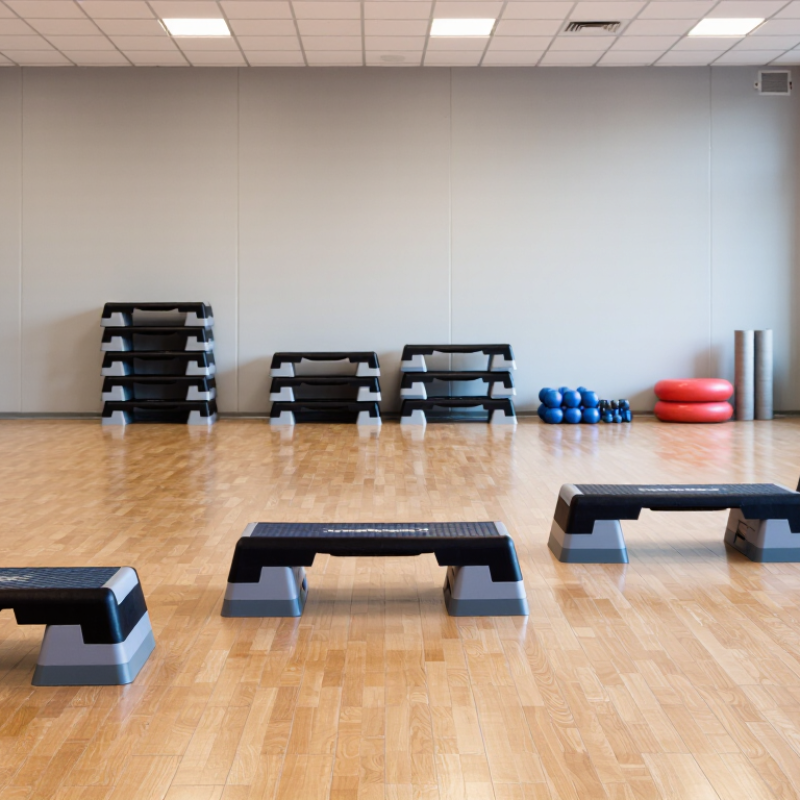
Define Your Market: WHO Reports 31% of Adults Are Insufficiently Active
How to Choose an Exercise Step Platform for Your Business?
WHO reports that about 31% of adults worldwide were insufficiently active in 2022. This figure signals a broad need for accessible movement, but it does not predict demand for your business. Your likely users may include beginners, class regulars, hotel guests, or employees seeking a short workout. Consider who will use the platforms, how often, and where they will exercise. A compact studio and a busy gym have different needs.
Choose platforms with a stable, nonslip surface, clear weight limits, and risers that are easy to adjust. Check the platform’s dimensions against your storage space and class layout. A textured top matters when shoes are damp or movement gets quick. Easy-to-clean surfaces can also save staff time. It is tempting to focus on price, but durability and replacement parts may matter more over time. Still, a feature list cannot replace testing one in your actual space.
Tips: Ask a few target users to try a sample. Watch how easily they step on, adjust the height, and put it away. Record their feedback, including complaints. Small details can be revealing.
How to Choose an Exercise Step Platform for Your Business?
Define your market: WHO reports that 31% of adults worldwide are insufficiently active.
In 2022, insufficient physical activity affected 34% of women and 29% of men worldwide. These figures can help businesses assess the potential audience for accessible, low-impact fitness equipment.
Source: World Health Organization (WHO), global estimates for 2022.
Match Step Height and Adjustability to Users’ Training Needs
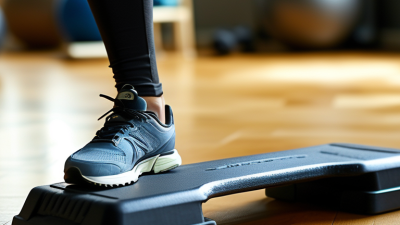
Choosing an exercise step platform starts with the people who will use it. A class of beginners may need a low, steady surface, while experienced participants may want more height for demanding routines. Many platforms offer several height settings, but the exact range varies. Check the listed increments against your planned classes rather than assuming every model adjusts the same way. Lower settings can make step patterns easier to learn and reduce the impact of repeated movements. Higher settings increase the effort required, so they may not suit every participant. Fit matters.
Adjustability is useful when different groups share the same equipment. Look for risers that attach securely and are easy for staff to change between sessions. A loose riser can shift underfoot; test the platform on the flooring used in your facility. Check the surface grip, edge visibility, and stated weight capacity, too. If possible, have several users try the platform at different heights. Notice whether they can step up and down without reaching awkwardly or losing balance. A spec sheet cannot show every practical detail. Sometimes the middle height feels right in a showroom but proves tiring during a full class. That is worth checking.
Compare Load Ratings and Stability Against ASTM F2276
When choosing an exercise step platform for a business, compare its stated load rating with documented test results—not just the number printed on a product sheet. ASTM F2276-23 provides a general safety framework for fitness equipment, but it does not make every platform suitable for every user or floor. Ask suppliers how they tested the specific model, whether the rating refers to user weight, and whether repeated stepping was included. The Health & Fitness Association’s 2023 U.S. Health & Fitness Consumer Report counted 72.6 million health club members in 2022, a reminder that commercial equipment may face frequent use. Ratings need context.
Stability deserves a hands-on check. Place the platform on the flooring used at your site, set it to its highest height, and press down at each corner. Watch for rocking, slipping feet, flexing, or a loose riser; then repeat with controlled side-to-side movement. Small details matter. ASTM’s framework can guide questions about stability and structural safety, but request model-specific test records and clear inspection guidance. I would not rely on a quick showroom test alone. It can miss movement that appears after repeated use, especially on smooth floors. Ask what surface the test used and how worn or replaceable feet affect stability.
How to Choose an Exercise Step Platform for Your Business? — Compare Load Ratings and Stability Against ASTM F2276
Use the figures below as buyer-selected screening examples, not as product specifications or ASTM requirements. The example capacity targets use a 1.5× planning factor applied to the heaviest intended user; this factor is not prescribed by ASTM F2276. ASTM F2276 addresses fitness-equipment safety, but it does not establish one universal load rating for every step platform. Request model-specific test documentation.
| Example Business Use |
Heaviest Intended User |
Example Minimum Rated Capacity* |
Stability Checks to Request |
ASTM F2276 Comparison |
| Small studio; supervised, lower-volume classes |
90 kg (198 lb) |
135 kg (298 lb) |
Check for rocking on a level floor; inspect the underside for secure, even contact points and the top surface for slip resistance. |
Ask for documentation identifying the tested model and applicable safety evaluation. Do not treat the example capacity as proof of conformity. |
| General-purpose gym; frequent group use |
120 kg (265 lb) |
180 kg (397 lb) |
Request loaded stability results and details of the test surface, loading position, and whether the platform shifted, rocked, or tipped. |
Compare the supplier’s stated test method and results with the applicable ASTM F2276 edition; verify the documentation covers the exact platform configuration. |
| High-use facility; broader user-weight range |
150 kg (331 lb) |
225 kg (496 lb) |
Request evidence for stability under the intended loading conditions, including repeated-use inspection guidance and floor-contact requirements. |
A higher stated load rating alone does not establish ASTM conformity or stability. Review test reports and operating limits before purchase. |
Procurement note: *Example minimum rated capacities are calculated as 1.5 × the listed user mass and rounded to the nearest pound; they are screening targets, not standardized ratings. Confirm the manufacturer’s rated capacity, dimensions, permitted use, inspection instructions, and model-specific test evidence. Check platform dimensions and floor compatibility on the actual unit before ordering.
Assess Materials, Storage, and Lifecycle Cost per Platform
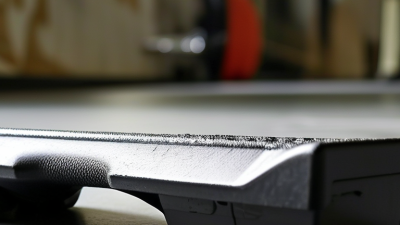
When comparing exercise step platforms, look beyond the listed material. Check the stated user-weight limit, surface grip, and how the platform handles repeated impact. A textured top should stay secure under damp shoes, while the base should sit evenly on a hard floor. Ask for care instructions and inspect a sample for sharp edges, flex, and loose risers. Small details matter.
Storage can affect daily use. Measure the actual shelf or equipment room, including space needed to move stacked platforms safely. Stackable designs may save floor area, but confirm that risers nest securely and do not slide during handling. Consider platform weight, too. A unit that is awkward to carry can slow class setup and increase the chance of drops. Measure the shelf.
Estimate lifecycle cost per platform, not just the purchase price. Include delivery, cleaning time, replacement risers, expected service life, and any downtime while equipment is unavailable. Compare these costs across the same planning period, using supplier specifications and your own inspection schedule. A neat spreadsheet can still miss real wear; usage intensity varies between businesses. Recheck the estimate after several months of classes, when scuffs, wobble, or storage bottlenecks reveal what the initial quote could not.
Verify Supplier Capacity, Warranty Terms, and Safety Documentation
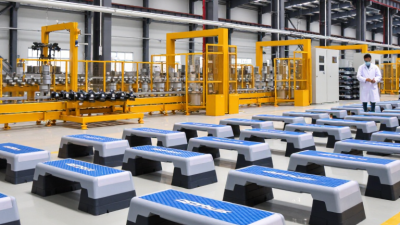
Before ordering exercise step platforms, ask the supplier to document monthly production capacity and typical lead times. A sample may look solid, but repeat orders reveal more. Request recent inspection records, production schedules, and a clear process for handling defects. Check whether the quoted capacity covers your expected order volume, packaging, and delivery window. Ask what happens if demand rises unexpectedly. A vague answer is worth noting.
Review warranty terms line by line. Confirm the coverage period, what counts as a manufacturing defect, and who pays return shipping. Ask whether cracks, loose risers, or worn non-slip surfaces are covered. The advertised warranty may have exclusions that matter in a busy studio. Get the terms in writing before approving a purchase order. Small detail, big difference.
Safety documents should identify the platform’s rated load and explain how it was tested. Confirm whether that rating applies to one platform or stacked units. Request relevant test reports, material information, and care instructions. Look closely at the contact surface: it should resist slipping, and edges should be free of sharp burrs. Ask how often products are inspected during production. If a supplier cannot provide traceable documentation, pause and investigate. I would not treat a polished brochure as proof; it is easy to overlook that distinction when deadlines are tight.