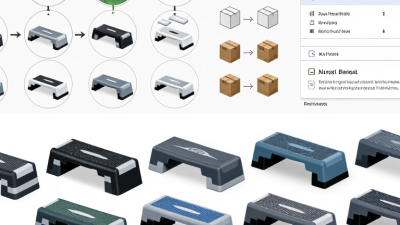
How to Choose an Adjustable Exercise Step?

Choosing an Adjustable Exercise Step looks simple until your feet meet an unstable platform. Height, surface grip, weight capacity, and storage space can change the entire training experience. A step that feels secure during slow lunges may wobble during fast intervals.

Dr. Cedric X. Bryant, president and chief science officer of the American Council on Exercise, says, “The best exercise is the one you will do consistently.” His point applies directly here. The best Adjustable Exercise Step is not always the tallest, cheapest, or most advanced model. It should match your training level, body control, room, and realistic routine.

Look closely at the adjustment system. Locking risers should click firmly into place, not slide under pressure. The top should provide enough room for both feet, while its textured surface should remain reliable with ordinary athletic shoes. Check the manufacturer’s weight rating, dimensions, warranty, and cleaning instructions. These details reveal more than bright product photos.

Still, choosing the right step is partly personal. I have seen beginners select excessive height, then shorten their movement to avoid losing balance. That is not a failure, but it deserves reflection. Start lower. Test controlled step-ups. Notice knee alignment, ankle comfort, and platform movement. Then increase height gradually.

This guide explains how to compare an Adjustable Exercise Step with practical judgment. It will also examine common marketing claims, overlooked safety details, and the compromises behind different designs. No single model suits everyone. That is the honest part.
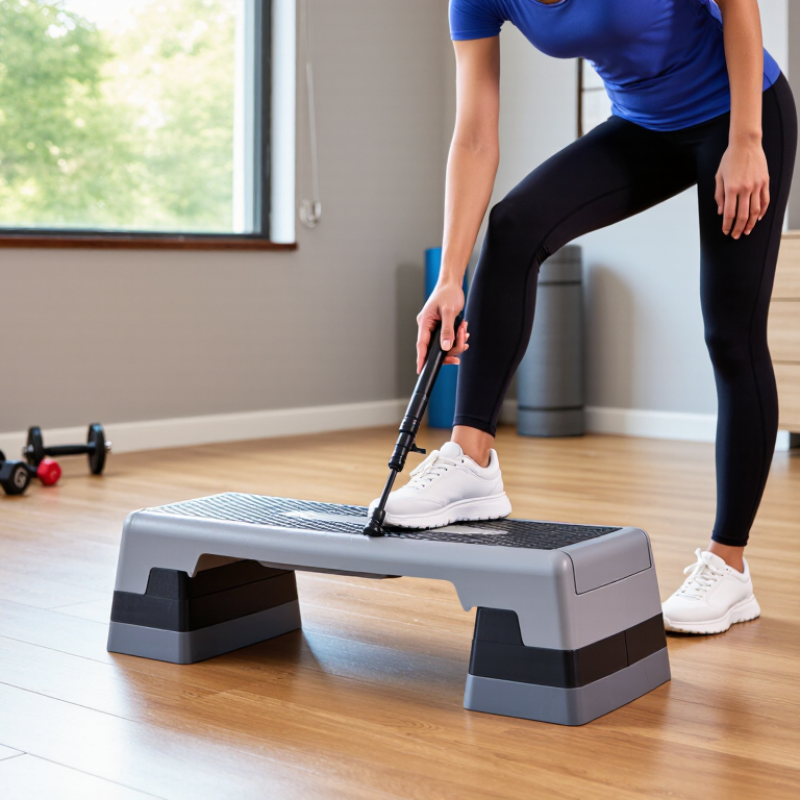
How to Choose an Adjustable Exercise Step?

What Is an Adjustable Exercise Step?

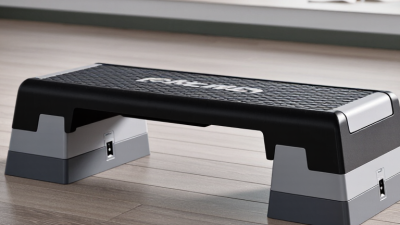
An adjustable exercise step is a raised, stable platform with a height-changing mechanism. You can increase or reduce its height using removable risers, locking pins, or sliding supports. This differs from a fixed aerobic step, which offers only one training level. A lower setting usually suits beginners, warm-ups, and controlled rehabilitation movements. A higher setting demands more hip, knee, and ankle movement.

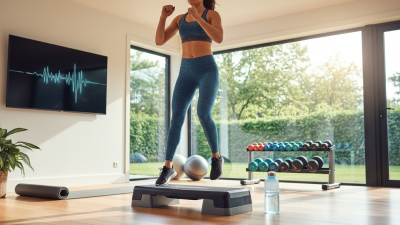
In practical training, the step can support step-ups, split squats, calf raises, incline push-ups, and low-impact cardio. Height changes also help users manage intensity without immediately adding weights. A 10-centimeter platform may feel manageable, while a 20-centimeter platform can challenge balance and leg strength. Keep both feet centered. Avoid rushing.

A reliable adjustable step should have a broad surface, visible height markings, and a secure locking system. The top should resist slipping, even when shoes or hands are slightly damp. Check the weight limit and inspect the risers before each session. Place it on a level, firm floor, not on a loose rug. In coaching and rehabilitation settings, gradual height increases are generally easier to monitor than sudden jumps. Still, the adjustment system is not always intuitive. I have found that users sometimes assume a locked riser is secure without testing it. Press each corner gently before exercising, and stop if the platform rocks, shifts, or produces unusual movement.

Which Features Determine Step Stability and Safety?

When choosing an adjustable exercise step, stability should outweigh appearance or the number of height settings. The base needs broad contact with the floor, especially at maximum height. Rubber feet should grip without leaving gaps. Test it on tile and carpet. A step that feels solid on carpet may shift on smooth flooring.

Check the adjustment system closely. Locking pins should pass completely through both support sections. Sliding parts should not rattle under body weight. The platform should resist side-to-side movement during a slow lateral step-down. Rounded edges can reduce injury severity if a foot slips. Confirm the published load rating, then leave a practical safety margin. The American Society for Testing and Materials provides guidance for fitness equipment design and testing, but compliance language does not replace hands-on inspection.

The U.S. Consumer Product Safety Commission’s NEISS-based report, Exercise Equipment-Related Injuries and Deaths, 2019–2021, estimated more than 400,000 exercise-equipment injuries treated in emergency departments during 2021. That figure covers many equipment types, not adjustable steps, yet it shows why fall prevention matters. Start at the lowest setting. Keep the step on a level, dry surface. I once focused too much on height adjustment and overlooked a slightly uneven foot. That was a useful mistake. Recheck bolts, pins, and rubber pads regularly. Discontinue use when the platform flexes, the locking pin sticks, or the base rocks under controlled pressure.

How to Choose an Adjustable Exercise Step? - Which Features Determine Step Stability and Safety?

Feature Recommended Specification Why It Matters for Stability and Safety What to Check Before Buying
Adjustable Height Multiple secure positions, commonly about 10–25 cm for home aerobic training A lower setting reduces impact and is easier for beginners, while a higher setting increases exercise intensity. Confirm that every height setting locks firmly and cannot shift during repeated stepping.
Maximum User Load A clearly stated load limit with a reasonable safety margin above the user’s body weight The step must withstand repeated dynamic loading, not just a person standing still. Look for documented static and dynamic load information, testing details, and clear instructions.
Platform Dimensions A platform wide and deep enough for the intended foot placement; many general-purpose steps are approximately 70–110 cm wide A larger surface provides more room for balanced foot placement and reduces the chance of stepping near an edge. Check the usable surface rather than the overall product dimensions.
Base Width and Footprint A broad, balanced base that supports the full platform without excessive overhang A wider footprint helps resist rocking, tipping, and side-to-side movement during lateral exercises. Place the step on a level floor and apply pressure near each corner to check for rocking.
Non-Slip Platform Surface Textured, wear-resistant surface with consistent grip across the entire stepping area Reduces foot slippage when shoes or the platform become damp during exercise. Check that the texture is firmly bonded, covers the usable area, and remains secure after cleaning.
Non-Slip Feet Rubber or elastomer feet suitable for the intended floor type High-friction feet help prevent sliding on hard floors and reduce vibration during use. Test the step on the actual floor surface and inspect the feet for uneven wear or dirt buildup.
Height-Locking System Positive locking pins, interlocking supports, or another mechanism that cannot release accidentally Reliable locking prevents sudden height changes or collapse while the step is loaded. Verify that all pins or supports are fully inserted and that the mechanism is easy to inspect before each session.
Frame and Support Construction Rigid, reinforced construction with minimal flex under normal use A rigid frame improves balance and reduces stress on joints, connectors, and adjustment parts. Look for reinforced joints, stable supports, smooth edges, and no cracks, bending, or loose fasteners.
Edge Design Rounded or protected edges with no exposed sharp corners Smooth edges reduce the risk of cuts, trips, and damage to flooring or clothing. Run a hand around the perimeter and inspect all corners, seams, and adjustment points.
Weight and Portability Heavy enough to remain stable but manageable for safe lifting and storage Very light products may move more easily, while excessive weight can create handling and storage risks. Check for secure handles and ensure the product can be moved without dropping or twisting it.
Surface Compatibility Designed for firm, level, dry surfaces; use on a suitable exercise mat only if permitted by the instructions Uneven, soft, wet, or slippery surfaces can reduce traction and increase tipping risk. Avoid carpets with thick pile, wet floors, loose rugs, and uneven outdoor surfaces unless specifically approved.
Inspection and Maintenance Simple routine inspection with replaceable or serviceable wear components where available Regular checks help identify worn feet, loose fasteners, damaged surfaces, or weakened locking parts. Inspect before use, tighten approved fasteners, clean contact surfaces, and stop using the step if damage is found.
Safety Reminder: Select a step with a stable base, secure height adjustment, adequate load capacity, and a slip-resistant platform. Follow the manufacturer’s instructions and begin with the lowest comfortable height.

How to Choose the Right Height and Adjustment Range?

How to Choose an Adjustable Exercise Step?

The right height depends on your training goal, mobility, and movement control. For low-impact aerobic exercise, many adults can begin around 10 to 15 centimeters. Strength-focused step-ups may require more height, but only when your form remains stable. During each repetition, your whole foot should stay supported. Your knee should track toward your second toe. Your hips should remain level. Stop if you feel sharp pain or unusual pressure.

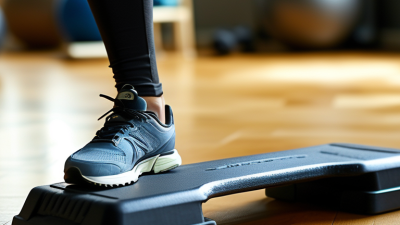
Choose an adjustable step with small height changes, ideally about 2.5 to 5 centimeters. Smaller increments make progress easier to manage. A high maximum setting is not always useful. If the step feels unstable, the height is already too demanding. Check the locking system before every session. Test the step on a hard, level floor, and wear the shoes you normally exercise in. I used to overlook footwear thickness, which can change your effective height slightly. That small detail matters more than expected.

Tips: Start lower than your ambition suggests. Complete 8 to 12 controlled repetitions. Watch your knee and foot alignment in a mirror. If you lean heavily or push off the floor, reduce the height. Increase it only after several sessions feel consistent. Your ideal setting may change with fatigue, so reassess it honestly.

How to Choose an Adjustable Exercise Step?

Starting height ranges by training goal

Choose an adjustable step that covers your intended height range. A lower setting of about 10–15 cm is suitable for low-impact or recovery sessions, while 15–25 cm works well for general fitness and conditioning. Heights around 25–30 cm are more demanding and should be used only when balance, control, and joint comfort are maintained. Start at the lowest comfortable height and increase gradually.

How Do Weight Capacity and Surface Design Affect Use?

Choosing an adjustable exercise step requires more than checking its height range. Weight capacity must include body weight, clothing, and movement impact. A 75-kilogram user can create much higher forces while stepping down quickly. I would leave a practical safety margin, rather than selecting a platform at its stated limit. ASTM F2276, the Standard Specification for Fitness Equipment, emphasizes stability, structural integrity, and user safety. However, test conditions may not match every home workout.

Surface design changes confidence immediately. A textured, non-slip platform helps maintain footing when shoes or hands become slightly damp. Broad edges also reduce accidental slips during lateral movements. The Centers for Disease Control and Prevention reports that over 800,000 older adults are hospitalized after falls each year in the United States. Most step users are not in that group, but the warning remains relevant. Small traction failures can become serious.

Height adjustment should feel firm, with no rocking between settings. Check the locking mechanism before every session. A narrow base may save storage space, yet it can feel unstable during fast step-ups. ACSM’s 2024 Worldwide Survey placed traditional strength training among the five leading fitness trends, showing continued demand for simple equipment. Still, popularity does not guarantee safety. I would test the step slowly, barefoot only if the surface allows it, and reconsider any model that shifts under controlled pressure.

How to Match an Adjustable Step to Your Training Goals?

How to Match an Adjustable Step to Your Training Goals?

An adjustable exercise step should support your main training goal, not simply offer the highest possible setting. For cardio intervals, choose a stable platform with quick height changes. A lower level allows faster footwork and reduces unnecessary impact. For strength training, select a step that feels solid during split squats, step-ups, and elevated push-ups. Its surface should remain steady when your weight shifts.

Your body also determines the right match. If you are rebuilding balance or returning after an injury, begin with the lowest height. Keep both feet controlled and use a nearby support when needed. I have found that a slightly lower step often improves technique more than an ambitious height. That assumption matters. More height does not always mean better progress.

Check the adjustment system before each session. The locks should engage fully, and the platform should not rock on a hard floor. A textured surface can help when your shoes become sweaty. Match the step height to your current ability, then increase it gradually. For home workouts, consider storage space and noise as well. I once focused too much on maximum height and ignored setup time. That made consistent training less convenient. Test several movements before deciding. Your ideal setting may differ between cardio, strength, and mobility work.