2026 Best Home Aerobic Step Platforms for Home Workouts?
Choosing the 2026 best Home Aerobic Step platform requires more than comparing colors, prices, and customer ratings. A useful platform must support controlled movement, stable foot placement, and realistic living spaces. It should feel secure on wood, tile, or carpet. It should also remain practical after repeated workouts.
The World Health Organization reports that about 31% of adults worldwide did not meet recommended physical activity levels in 2022. That gap makes accessible home equipment increasingly relevant. Meanwhile, the American College of Sports Medicine ranked mobile exercise apps as the second fitness trend in its 2025 Worldwide Survey. Together, these findings suggest a clear direction: people want flexible workouts that fit small rooms and busy schedules.
Exercise-science expert Dr. Cedric X. Bryant of the American Council on Exercise offers a useful standard: “The best exercise program is the one you will do consistently.” A step platform cannot create consistency by itself. That assumption deserves scrutiny. However, the right design can reduce friction. A 10-minute session beside the sofa may be easier to repeat than a complicated gym routine.
This guide evaluates Home Aerobic Step platforms through height adjustment, surface grip, weight capacity, portability, and noise control. It also considers beginner safety and advanced training needs. Some platforms look impressive but wobble under lateral movement. Others feel stable but lack useful height options. The strongest choice is rarely the most expensive model. It is the one that matches your floor, fitness level, storage space, and weekly habits.
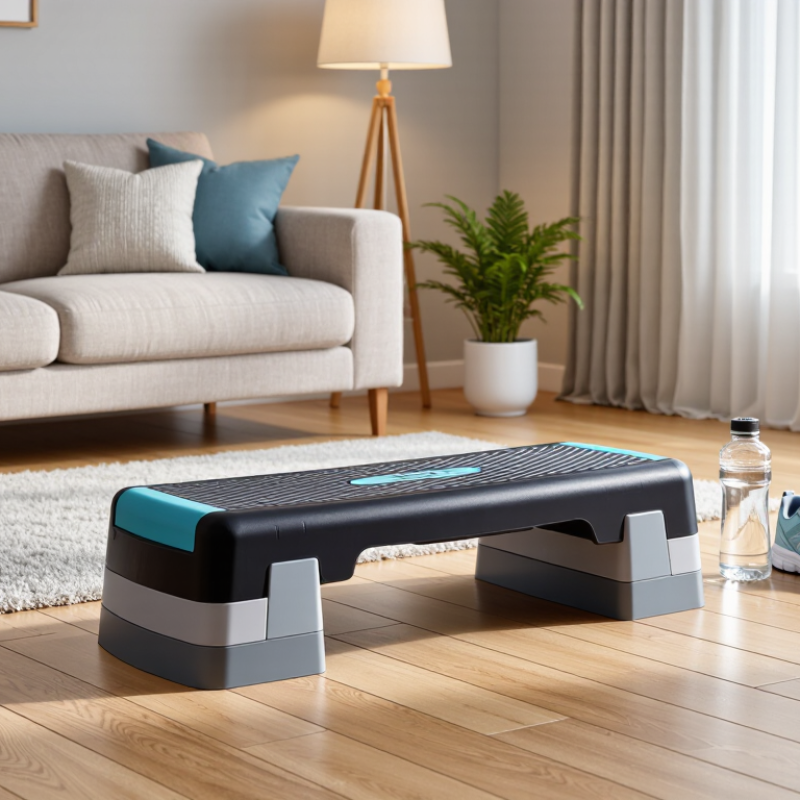
What Is an Aerobic Step Platform and How Does It Work?
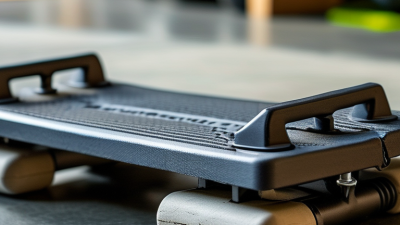
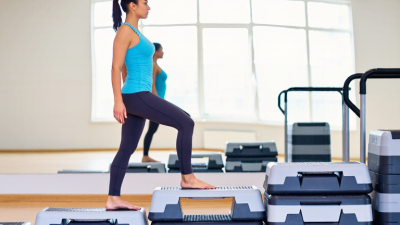
An aerobic step platform is a raised, stable surface for rhythmic stepping exercises. It usually has a wide top and adjustable risers beneath it. You step up, step down, and repeat controlled patterns to raise your heart rate.
The platform works by increasing the distance your body must travel. A higher setting demands more effort from your legs and hips. It can also challenge balance, coordination, and muscular endurance. A lower height suits beginners or people returning after a break. In practical coaching, I have found that steady movement matters more than fast choreography. Poor foot placement can create unnecessary stress on the knees and ankles. The surface should feel firm, dry, and free from movement.
Keep it simple.
Tips: Start with five minutes of gentle stepping. Place your whole foot on the platform, not just your toes. Keep your knees aligned with your feet. Avoid locking your joints during the downward step. Increase height only when your technique remains controlled. Supportive shoes may improve comfort, but they cannot correct an unstable platform. I sometimes overestimate how quickly people adapt, so progress should be slower than expected. Stop if sharp pain, dizziness, or unusual breathlessness appears. A short, consistent session can be more useful than an exhausting workout.
2026 Best Home Aerobic Step Platforms for Home Workouts? — What Is an Aerobic Step Platform and How Does It Work?
An aerobic step platform is a raised, usually adjustable surface used for repeated step-ups, lateral movements, and choreographed aerobic routines. Increasing the platform height increases the vertical distance your body must travel.
This chart shows the theoretical gravitational work required to raise a 70 kg body by one step height. The values use the physics formula work = mass × gravity × height, with gravity set at 9.81 m/s². Actual workout effort also depends on pace, technique, balance, repetition count, and the amount of body mass that is lifted during each movement.
Key Features to Consider When Choosing a Home Step Platform
Choosing a home aerobic step platform begins with stability, not appearance.
The base should stay planted during fast lateral moves, while the surface needs enough grip for sweaty shoes. Adjustable height matters too. A lower setting suits beginners and warm-ups; a higher setting increases challenge, but also demands stronger balance.
The SFIA 2024 Topline Participation Report recorded 242.1 million U.S. participants in at least one fitness activity during 2023.
That broad participation reflects a practical need for flexible home equipment. Look for a platform that supports repeated stepping without flexing, sharp edges, or noisy movement. Weight capacity should exceed your body weight and workout load. Check the stated limit carefully. Marketing language is not a safety test.
ACSM’s 2024 Worldwide Survey of Fitness Trends placed wearable technology among the leading trends, showing how users increasingly track exercise responses. A step platform cannot measure effort itself, so pair it with perceived exertion, heart-rate data, or timed intervals. The World Health Organization recommends 150–300 minutes of moderate aerobic activity weekly. A platform can help, but only when height and pace match your ability.
I once preferred a taller setting because it felt harder. It also made my knees work poorly. That was a useful correction.
Consider non-slip feet, easy storage, rounded corners, and enough width for controlled foot placement. Test one slow routine before increasing speed.
The Best Types of Step Platforms for Different Workout Goals
The best step platform depends on your workout goal, not its color or appearance.
For beginners, a wide, low platform offers better balance and safer foot placement. It suits light aerobic sessions, mobility work, and gradual conditioning. Keep it stable. The American College of Sports Medicine’s 2024 Worldwide Survey highlights home-based exercise as a continuing fitness trend, making simple, adaptable equipment especially useful.
For calorie-burning cardio, choose an adjustable platform with a firm, nonslip surface.
A higher setting increases leg demand, but it also increases landing stress and balance requirements. Step aerobics can support moderate-to-vigorous activity when pace and height rise together. The World Health Organization recommends 150–300 minutes of moderate aerobic activity weekly, or 75–150 minutes at vigorous intensity. That target should guide your schedule, not force every session to feel extreme.
Strength-focused users may prefer a heavier platform that supports split squats, incline push-ups, and elevated lunges.
A compact, lower model works better for beginners and smaller rooms.
My first mistake was choosing height before stability; the platform felt challenging, but my knee control deteriorated.
That was not productive training. Check the surface, weight limit, and floor grip before increasing intensity. If you experience joint pain, reduce the height and slow the rhythm.
Progress can look almost boring. It still counts.
How to Use an Aerobic Step Platform Safely and Effectively
An aerobic step platform can make home workouts more challenging without complicated equipment. Before exercising, place it on a clean, dry, level floor. Test it with both feet. If it shifts, rocks, or feels soft, stop and adjust the setup. A firm surface matters more than extra height.
Use the lowest setting while learning. Stand close to the platform, then place your whole foot near the center. Keep your knees aligned with your toes, and avoid letting them collapse inward. Step down gently instead of jumping from the edge. Keep your chest lifted, shoulders relaxed, and abdomen lightly engaged. Move at a pace that allows steady breathing. Shorter steps are often safer and more effective than rushed movements.
Warm up for five minutes with easy marching. Practise stepping up and down slowly before adding arm movements or faster patterns. Hold a nearby stable support if balance is uncertain, but do not pull heavily on furniture. I once increased the height too quickly and noticed knee discomfort later that evening. That mistake reminded me to progress gradually. Stop when pain feels sharp, unusual, or persistent. Check the platform regularly for cracks, loose parts, or worn surfaces. People with joint problems, dizziness, or recent injuries should seek qualified medical advice before training.
How to Maintain and Store Your Home Aerobic Step Platform
A home aerobic step platform needs regular care, especially when used several times each week. In my home training routine, I wipe the surface after every session with a soft, damp cloth. Sweat can make the platform slippery and may weaken certain finishes over time. Use mild soap when necessary, then remove all residue. Dry it completely.
I inspect the stepping surface, edges, feet, and adjustable risers before harder workouts. Look for cracks, loose parts, bent supports, or unusual movement. A stable platform should sit flat without rocking. Follow the maintenance instructions supplied with your equipment, because materials and adjustment systems differ. Never use harsh solvents or abrasive brushes. They can damage grip patterns. Keep it simple.
I once placed my platform beside a sunny window, thinking the area was convenient. After several months, the plastic felt less firm. That mistake is common. Store the platform in a cool, dry place away from direct sunlight, heaters, and damp floors. Place it flat on a clean surface, or stand it securely against a wall if the design allows. Do not pile heavy objects on top, since pressure may distort the platform. Keep loose risers together in a small container, and check them before each workout. I still forget this occasionally, so a visible storage spot helps. Avoid hiding the equipment where moisture or clutter can prevent proper inspection.