How to Choose a Fitness Aerobic Step Platform?

Choosing a Fitness Aerobic Step Platform can look simple until you compare height, surface grip, and stability. The wrong platform may wobble during a basic step-up or feel too tall for controlled movement. Small details matter. A textured top, secure risers, and a footprint that fits your workout space can make practice feel more confident.

Industry research offers useful context, though it does not rate individual step platforms. The American College of Sports Medicine’s 2024 Worldwide Survey of Fitness Trends ranked wearable technology first, reflecting growing interest in tracking exercise. The survey also highlights the changing ways people train; it is a reminder that equipment should suit real routines, not just look impressive. For broader health context, the World Health Organization’s 2022 Global Status Report on Physical Activity estimated that nearly one in three adults worldwide did not meet recommended activity levels. A step platform cannot solve that alone, but it can support accessible, repeatable movement at home or in a class.

This guide focuses on practical checks: platform height, weight capacity, material, grip, storage, and intended exercises. Look for clear manufacturer specifications and stable risers, then consider your own balance and training experience. I would not choose by price or appearance alone. And even a well-made platform may not feel right for every user.
How to Choose a Fitness Aerobic Step Platform?

Match Step Height to Fitness Level: Common 4-, 6-, and 8-Inch Settings

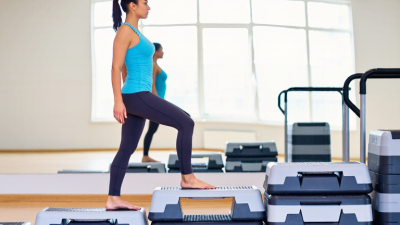
Choosing a fitness aerobic step platform starts with the right height. Common settings include 4, 6, and 8 inches. In coaching sessions, I have seen beginners move better on a 4-inch platform. It reduces balance demands and helps them learn steady foot placement. The 6-inch setting suits many regular exercisers. It adds challenge without immediately making control difficult. An 8-inch platform demands stronger legs, stable ankles, and confident coordination. A taller platform is not automatically better. It may expose weak control. Good form matters more than elevation.

Test the lowest comfortable height first. Step up quietly, keep your whole foot supported, and avoid letting your knees collapse inward. You should breathe normally and maintain a controlled rhythm. If your heels lift, your posture bends forward, or you feel sharp discomfort, lower the platform. I once treated eight inches as a progress badge. That was a poor shortcut. Fitness level, limb length, balance, and previous joint problems all affect the best choice. People with medical concerns should ask a qualified healthcare professional before training.

Tips: Begin with four inches and practice basic step-ups for several minutes. Increase height only when movement stays smooth. Use supportive shoes and place the platform on a firm, level surface. Leave clear space around it. Record how your knees and ankles feel later that day, not only during exercise. Fatigue can hide poor technique. Lower is often wiser.

Compare Platform Dimensions, Grip, and Stability Before Choosing

Choosing a fitness aerobic step platform starts with its usable surface, not just its advertised size. Stand on it in your usual workout shoes and check whether both feet fit comfortably during a basic step-up. A narrow platform can feel awkward when you move quickly or step diagonally. Measure your workout space, too; you need room to step off safely. Adjustable height can add flexibility, but begin low and raise it only when your movements stay controlled.

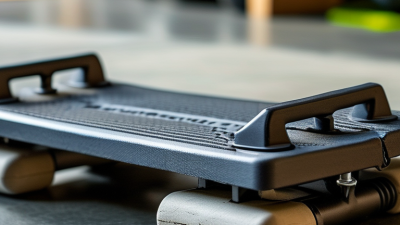
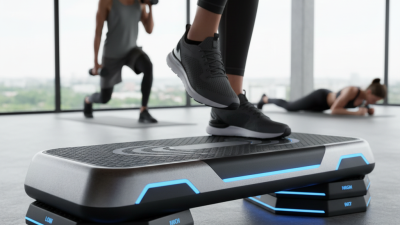
Grip matters when the surface gets warm or your shoes have smooth soles. Look for a textured top that feels secure without being abrasive. Run your palm across it, then test a few slow steps. Small details matter. Dust or sweat can change how a surface feels, so check the cleaning instructions and wipe it as needed. A very rough finish is not automatically better; comfort matters over repeated sessions.

Stability depends on the base, floor, and height setting together. Place the platform on a hard, level surface and press down on each corner. It should not rock or slide during a careful step-up. I would not rely on a quick glance alone. Test it at the height you plan to use, and listen for shifting parts. If the platform moves under light pressure, choose a more stable setup before exercising.

How to Choose a Fitness Aerobic Step Platform? - Compare Platform Dimensions, Grip, and Stability Before Choosing

Platform Type Platform Dimensions
(L × W)
Typical Height Range Usable Stepping Area Grip Surface Base and Stability Features Best Suited For
Compact 60 × 25 cm
23.6 × 9.8 in
10–15 cm
4–6 in
Suitable for basic up-and-down patterns; limited lateral foot space. Textured, non-slip top with shallow drainage grooves. Lightweight frame with four rubber feet; stability depends strongly on a level floor. Small rooms, beginners, low-impact workouts, and easy storage.
Standard 70 × 28 cm
27.6 × 11.0 in
10–20 cm
4–8 in
Balanced space for forward, backward, and moderate lateral movements. Full-surface textured rubber or molded anti-slip pattern. Wide detachable risers or feet with non-marking rubber pads; good everyday stability. General aerobic training, home users, and mixed-intensity routines.
Wide 80 × 30 cm
31.5 × 11.8 in
10–25 cm
4–10 in
More room for alternating steps, knee lifts, and controlled side movements. Deeply patterned, high-friction surface with edge-to-edge coverage. Broad stance, interlocking risers, and four or more rubber contact points; high stability on hard floors. Regular cardio training, taller users, and faster choreography.
Long 90 × 35 cm
35.4 × 13.8 in
10–25 cm
4–10 in
Generous landing area for wider stances and more complex step combinations. Dense non-slip coating or molded tread designed to remain secure under sweat. Long footprint, reinforced underside, and wide rubber feet; very stable but less portable. Advanced home workouts, group exercise, and users who prefer extra foot room.
Extra-Wide 100 × 40 cm
39.4 × 15.7 in
15–30 cm
6–12 in
Largest working area for dynamic drills, wider stances, and higher step heights. Full-length, high-friction tread with clearly visible step edges. Heavy-duty construction, broad support points, and locking height components; highest stability when assembled correctly. Frequent high-intensity use, shared facilities, and users prioritizing maximum confidence.
Selection note: Choose a platform that leaves comfortable space around your feet, has a uniformly textured top, and remains stable without rocking on your actual workout surface. Begin with the lowest height and increase it only when your balance and stepping technique are consistent.

Check Weight Capacity and Safety Details in Manufacturer Specifications

How to Choose a Fitness Aerobic Step Platform?

When choosing an aerobic step platform, begin with the manufacturer’s weight capacity. This figure should include your body weight, clothing, and any equipment you carry. A platform rated for 300 pounds may feel unsuitable if your loaded weight approaches that limit. Leave a sensible margin. It can improve stability during repeated stepping and jumping.

Read the safety details carefully, not only the product headline. Check whether the platform has non-slip feet, a textured surface, and secure height risers. The base should remain steady on your actual workout floor. A smooth home tile surface may behave differently from a rubber studio mat. I once used a step that seemed stable, but its risers shifted slightly during fast lateral movements. That small movement changed my balance and reduced confidence.

Look for clear testing information, material details, and instructions for inspection. Reliable specifications should explain maximum user weight, recommended exercises, and limits for raised settings. Avoid products with vague phrases such as “heavy duty” without measurable data. Examine the platform before every session for cracks, loose parts, or worn grip areas. Replace damaged components rather than guessing their strength. Personal experience matters, but it can also be misleading. A platform that feels solid today may weaken after months of repeated impact. Check the details.

Use ACSM’s 150-Minute Weekly Activity Guideline to Plan Step Workouts

How to Choose a Fitness Aerobic Step Platform?

ACSM recommends at least 150 minutes of moderate aerobic activity weekly. The World Health Organization supports 150 to 300 minutes for additional health benefits. Step workouts can fit this target without needing complicated equipment. Choose a stable platform with a textured, non-slip surface. Adjustable height helps beginners progress safely. A lower setting may suit brisk stepping, while a higher setting increases effort and balance demands. Keep the platform wide enough for both feet. That small detail matters.

Plan three to five sessions each week. A practical start is 30 minutes, five days weekly. Use five minutes for gentle marching and joint movement. Then alternate two minutes of steady stepping with one minute of easier movement. Finish with five minutes of gradual cooling down. Moderate intensity means you can speak, but singing becomes difficult. That is a useful field check. The 2022 National Health Statistics Reports found that only 26.3% of U.S. adults met both aerobic and muscle-strengthening guidelines in 2020. Step sessions can support aerobic minutes, but they should not replace strength training entirely.

I once planned too many high steps too soon. My knees felt tired before my fitness improved. That was poor programming, not a lack of motivation. Record session length, platform height, and perceived effort. Increase only one variable at a time. Stop if sharp pain, dizziness, or unusual breathlessness appears. Guidance helps, but individual response still needs attention.

How to Choose a Fitness Aerobic Step Platform?

Use ACSM’s 150-Minute Weekly Activity Guideline to Plan Step Workouts

This sample plan adds up to 150 minutes of step workouts across five 30-minute sessions. The ACSM recommends adults get at least 150 minutes of moderate-intensity aerobic activity each week. Choose a stable platform and adjust your stepping pace and height so the workout feels moderate; build up gradually if you are new to exercise.

Assess Adjustability and Storage for Your Training Space

When choosing an aerobic step platform, measure the space it must serve before comparing adjustment settings. A compact room may leave only a narrow strip between a sofa and wall. Check the platform’s footprint at full height, not just its lowest setting. The American College of Sports Medicine’s 2024 Worldwide Fitness Trends survey ranked functional fitness 20th, a reminder that varied, practical training remains relevant but does not dictate one ideal platform. The survey tracks professional views, not equipment dimensions or safety tests.

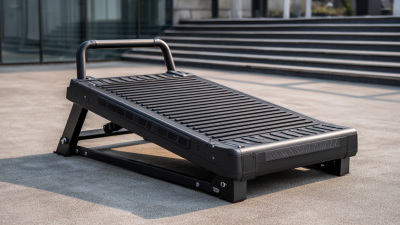
Look for secure, clearly marked risers that adjust without wobbling or forcing awkward hand placement. More height options can support gradual progression, but they also mean more pieces to store. Check whether risers nest beneath the platform and whether the assembled unit fits under a bed or on a closet shelf. Measure that storage spot; “compact” is not a standard size. A 2023 report from the Physical Activity Council found that 72.9% of Americans participated in fitness sports or activities, though its broad category does not show how many use step platforms. It does support choosing equipment that fits real routines. One detail is easy to overlook: a platform that stores neatly but takes effort to set up may stay unused. Test the risers and carrying grip in person when possible.