Why Choose a Fitness Aerobic Step Platform?

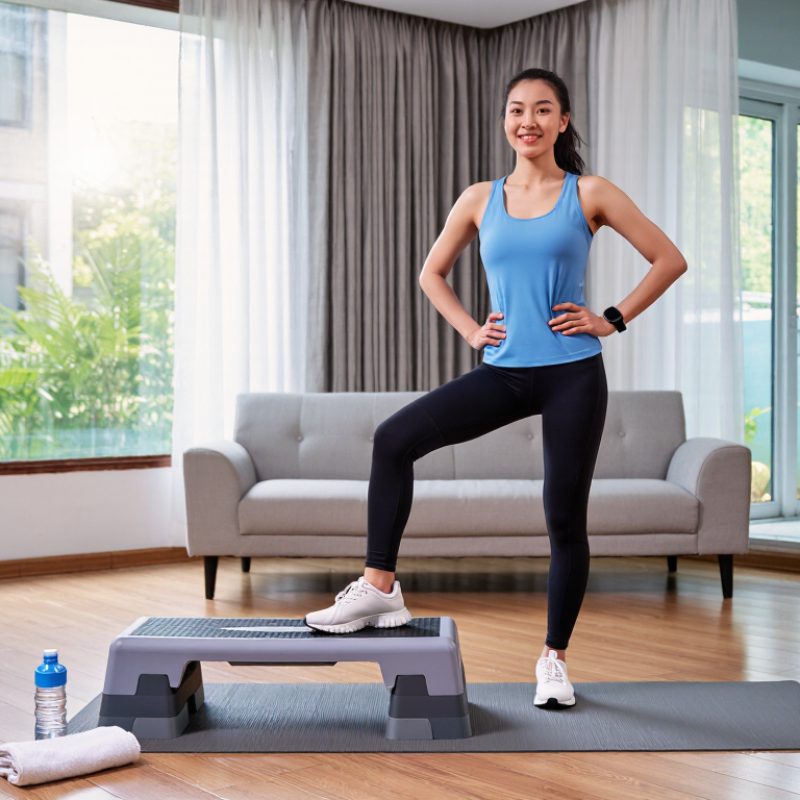
Choosing a Fitness Aerobic Step Platform can change how a simple workout feels. It adds height, rhythm, and direction without requiring complicated equipment. A platform beside a yoga mat can support step-ups, knee lifts, lunges, and controlled strength drills. The result is practical movement in a small space.

Gin Miller, the creator of step aerobics, described step training as “a fun and effective way to improve cardiovascular fitness.” Her work helped establish step platforms as useful tools for accessible aerobic exercise. A well-designed Fitness Aerobic Step Platform should provide a stable surface, secure grip, and adjustable height. These details matter when feet land repeatedly during a fast routine. They also influence confidence, especially for beginners learning basic patterns.

It is not a magic solution.

Your results still depend on technique, consistency, footwear, and sensible progression. I have found that beginners often raise the platform too quickly. That choice can make the knees feel strained and the movement less controlled. A lower setting may look modest, but it allows cleaner foot placement and better balance. Users should inspect the platform before each session, particularly when exercising on smooth flooring. They should also stop when sharp pain, dizziness, or unusual discomfort appears. This article explores why a Fitness Aerobic Step Platform remains valuable for home workouts, group classes, and structured fitness programs. Its benefits are real, but they are not automatic. Good equipment supports good decisions.
Why Choose a Fitness Aerobic Step Platform?

What Is a Fitness Aerobic Step Platform?

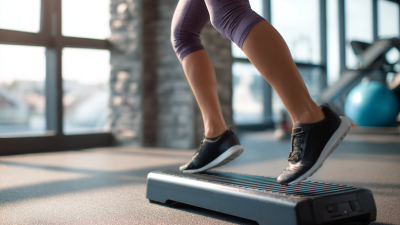
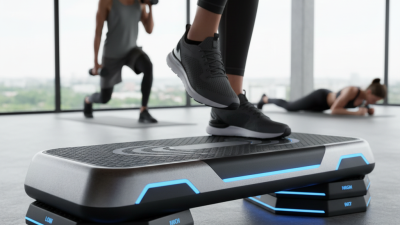
A fitness aerobic step platform is a raised, sturdy surface used for repeated stepping exercises. It usually has a textured top and removable height risers. The platform may sit 10 to 25 centimeters above the floor, depending on the model and user. In practice, it feels like climbing one low stair again and again. That simple action can raise heart rate, challenge leg muscles, and train coordination. It is not merely a small bench.

During a basic routine, one foot steps up, the other follows, and both feet return to the floor. Arm movements can increase effort, while a lower setting helps beginners learn control. A stable platform should resist rocking, support the user’s weight, and provide enough surface for full foot placement. Rubber contact points can reduce sliding on a clean, dry floor. Still, equipment features do not replace careful technique. Keep the chest lifted, land quietly, and avoid locking the knees.

From coaching experience, step height changes the exercise more than many people expect. A higher step demands greater hip and knee movement, but it can also encourage awkward leaning. That is not always progress. Short sessions of five to ten minutes can expose balance problems before fatigue becomes distracting. I have found that users often rush the rhythm when music starts. Slowing down feels less impressive, yet it usually produces better control. The platform can support aerobic training, strength endurance, and rehabilitation-style movement, but personal limitations should guide the pace. When pain, dizziness, or unusual breathlessness appears, stop and seek qualified medical advice.

How Does a Step Platform Support Aerobic Training?

A fitness aerobic step platform supports aerobic training by adding controlled height to familiar movements. Step-ups, alternating knee lifts, and side taps can raise your heart rate without requiring complex equipment. The platform also encourages upright posture and rhythmic footwork. In practical sessions, I notice that a small height change can alter breathing quickly. A lower setting suits beginners or longer workouts, while a higher setting demands more leg strength and balance. It is not perfect for everyone. Some users may feel ankle or knee discomfort, especially when landing heavily.

A stable platform provides a clear movement target. This can improve coordination and make home workouts feel more structured. Keep your whole foot on the surface, and drive through the heel during step-ups. Maintain a soft knee when stepping down. Certified fitness guidance commonly emphasizes gradual progression, proper alignment, and adequate recovery. I have also found that rushing reduces control, even when the exercise feels easy. That mistake is worth noticing.

Tips: Start with five minutes of gentle movement. Use the lowest height first. Keep the platform on a firm, dry floor. Leave enough space around it for side steps. If your knees move inward, slow down and reduce the height. Stop if sharp pain, dizziness, or unusual shortness of breath appears. A mirror can help you check posture, but it cannot replace professional assessment when discomfort continues.

Why Choose a Fitness Aerobic Step Platform?

A step platform supports aerobic training by allowing users to vary movement height, rhythm, and direction. The chart compares commonly reported metabolic intensity values for selected aerobic activities using METs, a standard measure of exercise energy demand.

What Fitness Benefits Can Step Platform Workouts Provide?

Why Choose a Fitness Aerobic Step Platform?

A step platform turns a small floor area into a practical cardio station. During a 20-minute session, I can alternate basic step-ups, knee lifts, and lateral movements. My breathing becomes faster, while my legs and hips handle repeated, controlled effort. This combination can improve cardiovascular endurance when practiced consistently. It may also support calorie expenditure, depending on pace, body weight, and workout duration.

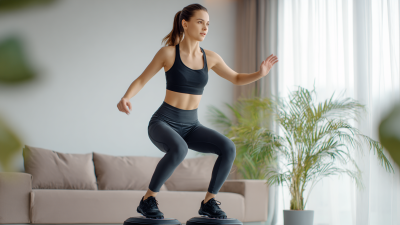
Step workouts train the quadriceps, hamstrings, calves, and gluteal muscles. Raising the platform increases the movement range and demands more force from the legs. I notice this clearly when climbing stairs later. My balance also receives regular practice, especially during single-leg transitions. However, the platform is not magic. Poor posture or rushed footwork can create unnecessary stress around the knees and ankles. I sometimes lose rhythm when fatigue appears, so I slow down instead of forcing another repetition.

A stable platform can support coordination and low-impact conditioning. Keeping one foot connected to the surface reduces jumping, which may feel more comfortable for some exercisers. The height should match current ability, not ambition. Beginners can start with a low setting and steady breathing. A two-minute warm-up, supportive shoes, and clear floor space improve training reliability. Anyone with joint pain, dizziness, or a relevant medical condition should seek qualified guidance before increasing intensity. Five careful minutes can reveal more than one careless hour.

Why Choose a Fitness Aerobic Step Platform? - What Fitness Benefits Can Step Platform Workouts Provide?

Fitness Dimension How Step Platform Workouts Help Primary Muscles or Systems Involved Typical Training Effect Practical Benefit
Cardiovascular Fitness Repeated stepping, knee lifts, and choreographed combinations keep the body moving continuously and can elevate heart rate. Heart, lungs, glutes, quadriceps, hamstrings, and calves Moderate to vigorous Supports aerobic endurance when exercise intensity and duration are appropriate for the participant.
Lower-Body Strength Step-ups require the legs and hips to raise the body onto the platform. Squats, lunges, and split-stance movements can increase muscular demand. Gluteus maximus, quadriceps, hamstrings, and calf muscles Body-weight resistance Helps develop functional leg strength for activities such as climbing stairs and standing from a seated position.
Balance and Stability Alternating foot placement and controlled stepping challenge postural control, especially during single-leg support. Ankle, knee, and hip stabilizers; core muscles Coordination-focused May improve body awareness and movement control when exercises are performed slowly and safely.
Coordination and Agility Direction changes, alternating patterns, and rhythmic combinations require timing between the feet, arms, and trunk. Neuromuscular system and lower-body stabilizers Skill-dependent Provides a simple way to practice footwork, rhythm, and movement transitions.
Calorie Expenditure Energy use varies according to body mass, platform height, pace, workout duration, and arm movements. Whole-body energy systems Variable Can contribute to weight-management goals as part of a balanced exercise and nutrition plan.
Bone-Loading Activity Weight-bearing stepping provides repeated loading through the legs, although the effect depends on intensity and individual factors. Weight-bearing bones of the legs and hips Low to moderate impact Offers weight-bearing exercise without requiring running or jumping for every routine.
Core Engagement Maintaining an upright posture and controlling the body during stepping requires the trunk to stabilize the pelvis and spine. Abdominal, back, pelvic, and hip-stabilizing muscles Supportive activation Encourages better postural control when the platform is used with controlled technique.
Workout Versatility The platform can support step-ups, lunges, squats, incline push-ups, elevated planks, and selected resistance-training exercises. Lower body, upper body, and core Multi-purpose Allows users to vary exercise selection and training intensity with one compact piece of equipment.
Intensity Adjustment Difficulty can be changed by modifying platform height, movement speed, range of motion, arm action, or exercise complexity. Target muscles and cardiovascular system Easy to customize Supports progression for different fitness levels and workout objectives.
Joint-Impact Management Controlled step-based routines can be performed without continuous jumping, while correct alignment and suitable height remain important. Ankles, knees, hips, and connective tissues Technique-dependent May provide a lower-impact alternative to some jumping-based cardio exercises, but it is not impact-free.
Convenience and Space A step platform is generally compact, portable, and usable indoors with little setup. Not applicable Highly accessible Works well for home workouts, group exercise sessions, circuit training, and short movement breaks.

Note: Training results depend on exercise technique, workout frequency, intensity, recovery, and individual health status. Beginners should start with a low platform height and controlled movements.

Which Features Matter When Choosing a Step Platform?

A step platform should match your training space, body control, and progression plan. The World Health Organization recommends 150–300 minutes of moderate activity weekly, plus muscle-strengthening work on at least two days. A stable platform can support that routine, but only if its design feels predictable under repeated use.

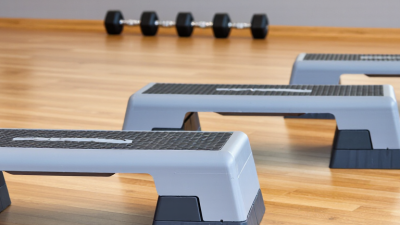
Height adjustment matters because beginners and experienced users need different loading demands. A low setting helps control knee alignment and rhythm. Higher settings increase challenge, but they also expose poor balance. Look for a broad, non-slip surface, rounded edges, and a base that stays planted on hard flooring. Check the stated weight capacity, then leave a safety margin. Numbers alone are not enough.

I have used platforms that looked strong but shifted during lateral movements. That small movement changed my confidence immediately. Portability also matters. Side handles and moderate weight make storage easier, though a very light platform may feel unstable. The ACSM’s 2024 Worldwide Survey of Fitness Trends ranked wearable technology first, reflecting the industry’s growing interest in measurable progress. Clear height markings can support that same principle without electronics. I prefer simple measurements, but I may be overvaluing convenience. Inspect the surface regularly, especially after sweaty sessions. A worn grip can become a serious weakness.

How Can You Use a Step Platform Safely and Effectively?

Why Choose a Fitness Aerobic Step Platform?

How Can You Use a Step Platform Safely and Effectively?

A step platform can make home workouts more active and practical. It supports step-ups, knee lifts, squats, and controlled cardio drills. I used to focus on speed, but that caused sloppy foot placement. A slower rhythm felt less impressive, yet it improved control. Place the platform on a flat, dry, non-slip surface. Check its locks, height settings, and edges before exercising. Keep enough space around it for safe movement.

Begin with five minutes of gentle walking and joint movements. Use the lowest comfortable height during your first sessions. Place your whole foot on the platform, not just your toes. Push through the center of your foot and keep your knees aligned with your toes. Step down quietly. Avoid jumping until your balance and landing control feel reliable. Stop if you notice sharp pain, dizziness, or unusual shortness of breath. People with existing medical concerns should seek advice from a qualified healthcare professional.

Tips: Keep your chest lifted and your eyes forward. Use supportive shoes with a firm grip. Start with ten minutes, then increase gradually. Breathe steadily instead of holding your breath. Record how your knees and ankles feel afterward. If one movement feels awkward, reduce the height or slow down. Progress is not always dramatic. Consistency matters more.