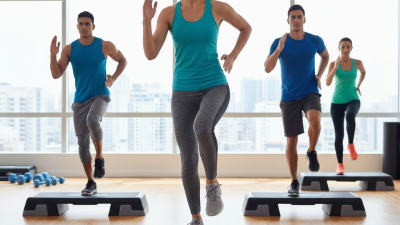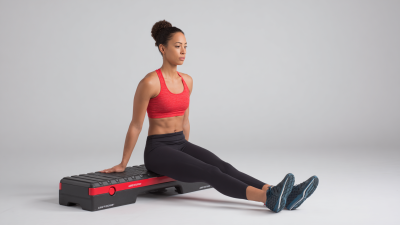
Choosing the 2026 best Exercise Step platforms requires more than comparing prices, colors, or advertised weight limits. Global buyers need evidence about stability, surface grip, height adjustment, shipping durability, and replacement support. A platform should feel secure under repeated lateral movement, not only during a slow demonstration. That distinction matters in home gyms, rehabilitation studios, hotel fitness rooms, and commercial facilities.
Industry data supports this broader view. The Global Wellness Institute’s 2024 Global Wellness Economy Monitor valued the global wellness economy at approximately $6.3 trillion in 2023. It projects continued expansion toward 2028. Grand View Research also identifies home fitness equipment as a growing market, driven by compact products and convenient training at home. Meanwhile, ACSM’s Worldwide Survey of Fitness Trends continues to emphasize wearable technology, mobile exercise applications, and accessible fitness programming. These findings suggest that the strongest step platforms will fit connected, space-conscious training environments.
Practical testing remains essential. Look for textured surfaces, wide bases, rounded edges, clear load ratings, and height settings that lock firmly. Check whether the product documentation explains materials, warranty coverage, and applicable safety testing. Regional buyers should also confirm packaging strength and local compliance requirements. The best model in Germany may not be ideal for a humid Southeast Asian studio. Small details matter.
Some claims remain difficult to compare. Manufacturers may use different testing methods. A heavier platform is not automatically safer. This guide evaluates the leading options with that limitation in mind, combining published specifications, user experience, professional design principles, and real purchasing concerns. No ranking is perfect. That is worth remembering.
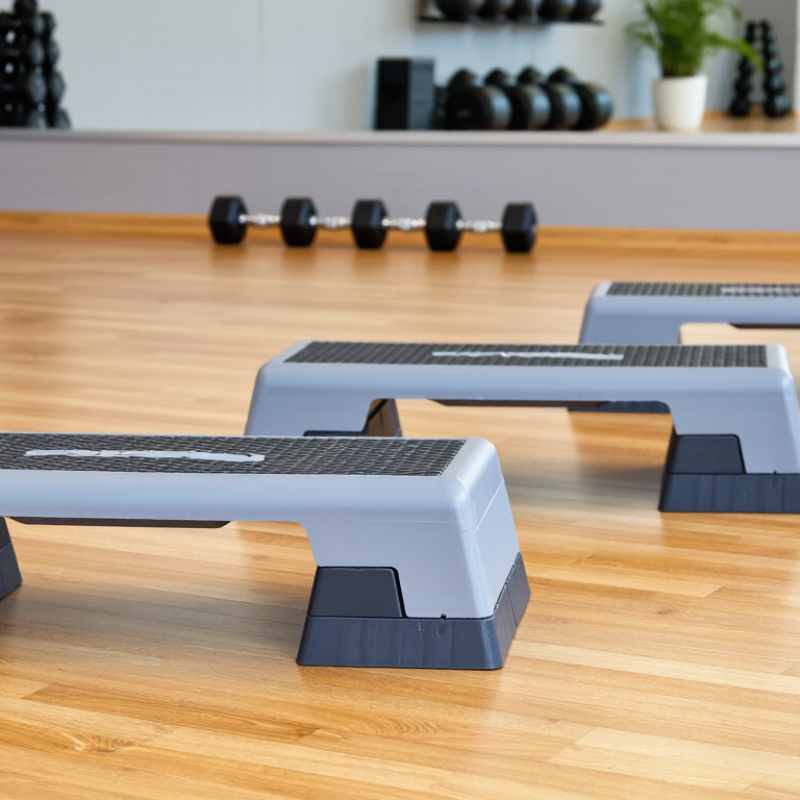
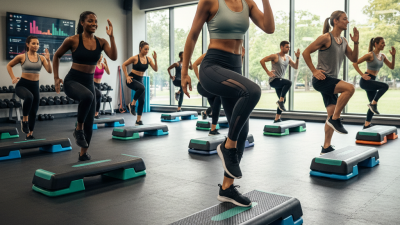
An exercise step platform is a raised, portable surface for aerobic training, strength work, and balance drills. Most models use a firm top with removable risers underneath. Adjusting the risers changes the step height and exercise intensity. A low setting suits beginners, warm-ups, and controlled rehabilitation movements. A higher setting demands more hip, knee, and ankle control.
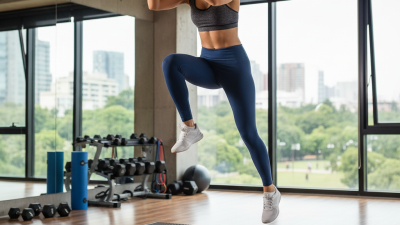
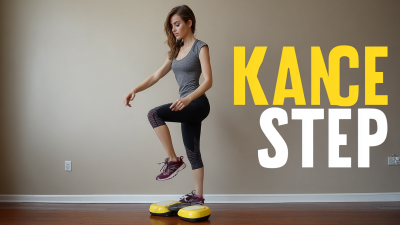
During a basic step-up, one foot presses into the platform and lifts the body upward. The legs produce force, while the core helps maintain alignment. Stepping down slowly increases muscle control and reduces unnecessary impact. A textured surface can improve grip, but it cannot replace clean, dry flooring.
Check the platform’s weight rating, dimensions, riser connection, and stability before purchasing for international use. Product measurements should be compared with local training spaces and shipping limitations.
I have found that a slightly wider platform feels more secure during lateral movements. It may also require more storage space. That trade-off is easy to overlook. Users should keep the knee tracking toward the toes and avoid rushing the descent. Beginners can start with several slow repetitions instead of chasing height. The platform should remain still under pressure, with no visible rocking or cracked parts. Even experienced users can misjudge fatigue. A short trial session often reveals more than an impressive specification sheet.
When comparing exercise step platforms, start with stability, not appearance. A wide base should remain firm during fast lateral movements and repeated jumps. Stability comes first. Check the platform’s maximum user weight, then leave a sensible safety margin. A stated limit is not a target.
Height adjustment affects training intensity and joint comfort. Look for secure locking points that are easy to inspect before each session. The surface should provide reliable grip, even with light sweat. Textured rubber or similar materials can help, but deep patterns may collect dust and become harder to clean. Test it barefoot. Then test it with training shoes.
Materials also matter for international buyers. Strong plastic may reduce shipping weight, while reinforced steel can improve rigidity but increase freight costs. Measure twice. Confirm the folded or packed dimensions before ordering, especially when storage space is limited. Ask about carton protection, replacement parts, user instructions, and warranty coverage in your market. Clear technical documents show better manufacturing discipline.
I once underestimated noise during home workouts. A platform can feel solid yet sound harsh on tile flooring. Consider floor compatibility and add a protective mat if needed. Compare verified load-testing information rather than relying on vague words such as “professional” or “premium.” Return policies, customs duties, and local electrical requirements may also affect the real purchase cost. No choice is perfect; the right model balances safety, adjustability, durability, and practical ownership.
2026 Best Exercise Step Platforms for Global Buyers
For beginners and home users, a low, wide platform offers a calmer starting point. A height near 10 to 15 centimeters helps users learn controlled stepping without excessive knee stress. Look for a textured surface, strong side edges, and rubber feet that stay firm on smooth floors. A platform around 60 centimeters wide can provide more confidence during side-to-side movements. It should feel stable, not merely heavy.
Users training for cardio need quick height adjustments and enough surface area for repeated footwork. Strength-focused users may prefer a stronger frame that supports split squats, elevated push-ups, and calf raises. Balance trainees should choose a platform with limited wobble and clear visual edges. Older adults may value lighter equipment, although very light platforms can slide unexpectedly. That trade-off deserves attention.
Personal trainers and small fitness facilities need platforms that tolerate frequent cleaning and daily impact. Check the weight rating, hinge quality, replacement-part access, and packaging protection before ordering internationally. Measurements should be reviewed in centimeters and inches, since product listings vary between markets. Buyers should also confirm local safety guidance and floor compatibility. A platform designed for one user may fail in a busy studio. No platform fits everyone. A common buying mistake is choosing maximum height too early. Controlled movement matters more than impressive settings.
Platform height should match the user's experience, mobility, and training goal. Lower settings are generally more suitable for beginners and low-impact workouts, while higher settings can increase cardio intensity and support more demanding conditioning sessions. Buyers should prioritize adjustable height, a stable non-slip surface, and a platform wide enough for the intended movements.
2026 Best Exercise Step Platforms for Global Buyers?
For global buyers, safety begins with a stable platform, not an attractive shape. Look for a textured, non-slip surface and wide feet that remain steady on smooth floors. The platform should show a clear user-weight rating, measured under realistic movement, not only quiet standing. Rounded edges can reduce injury risk, while strong welds or molded joints support repeated training. Ask suppliers for material details, load testing records, and instructions written for your market.
Durability depends on more than thick plastic or metal. Check resistance to sweat, moisture, temperature changes, and frequent transport. Rubber feet may harden over time, especially in hot storage areas. That detail is easy to miss. Maintenance should include wiping the surface after use, checking cracks weekly, and replacing loose feet immediately. Keep inspection records for gyms, studios, and physical therapy facilities. Regional safety expectations may differ, so independent test reports are more reliable than vague quality claims.
Tips: Measure storage and training space before ordering. Request spare feet and replacement parts. Inspect every unit after shipping. Do not stack damaged platforms. A small wobble today can become a serious problem later. Buyers should also review the return process, warranty limits, cleaning compatibility, and local disposal requirements. In practice, no platform stays perfect without routine checks, and even a well-designed model can fail when maintenance is ignored.
| Platform Category | Best Use | Typical Platform Size | Typical Height Range | Recommended User Load | Construction and Materials | Surface and Stability Features | Durability Evaluation | Maintenance Requirements | Global Buyer Safety Checks | Relevant Standards and Compliance References | Overall Suitability |
|---|---|---|---|---|---|---|---|---|---|---|---|
| Fixed Aerobic Step Platform | Home workouts, rehabilitation, light group exercise, and low-impact aerobic training | Approximately 70–110 cm long × 25–40 cm wide | Usually 10–20 cm | Commonly 100–150 kg, depending on the tested design | Injection-moulded polypropylene or high-impact plastic body with reinforced internal ribs | Textured top Non-slip feet Rounded edges | Suitable when the platform remains stable under repeated stepping and does not flex excessively under the declared load | Clean with mild detergent; inspect feet and surface monthly; remove damaged units from use | Check for rocking, sharp moulding defects, cracking, excessive flex, and clear load instructions | Consider EN ISO 20957-1 where the product falls within the scope of stationary training equipment; check applicable general product-safety, chemical, and electrical rules for the destination market | ★★★★☆ |
| Two-Level Adjustable Step Platform | Home fitness, personal training, studios, and users needing progressive exercise height | Approximately 80–110 cm long × 30–40 cm wide | Typically 10–25 cm using removable risers | Commonly 120–180 kg, subject to complete platform-and-riser testing | Reinforced polymer platform with separate interlocking risers; some designs use glass-fibre-reinforced plastic | Locking risers Anti-skid feet Wide contact base | High durability is indicated by secure riser engagement, low lateral movement, and stable performance after repeated assembly cycles | Check riser locks before every session; clean contact surfaces; inspect for worn tabs, loose parts, and deformation | Verify that risers cannot detach during lateral movement and that all height configurations carry clear load ratings | Use applicable parts of EN ISO 20957-1 for safety principles; chemical restrictions such as REACH and market-specific product rules may also apply | ★★★★★ |
| Three-Level Commercial Step Platform | Fitness clubs, schools, physiotherapy facilities, and frequent group classes | Approximately 90–120 cm long × 30–45 cm wide | Typically 10–30 cm with multiple riser combinations | Commonly 150–250 kg, provided the complete configuration has been tested | Heavy-duty moulded platform, reinforced underside, high-density risers, and replaceable rubber contact pads | High-friction top Broad base Replaceable feet | Best for high-use environments when supported by documented fatigue testing, impact testing, and inspection procedures | Daily visual inspection in commercial facilities; weekly cleaning; scheduled replacement of worn feet and risers | Request load-test evidence, fatigue-test methodology, slip-resistance information, spare-parts availability, and user instructions | EN ISO 20957-1 may be relevant for applicable fitness equipment; verify local workplace, consumer-product, and chemical-compliance obligations | ★★★★★ |
| High-Impact Plyometric Step Box | Strength and conditioning, athletic training, jumping drills, and controlled plyometrics | Approximately 50–90 cm long × 40–75 cm wide | Typically 30–75 cm; some units are stackable or multi-sided | Commonly 120–200 kg static load; dynamic jumping capacity must be separately declared | Welded steel frame, engineered wood, high-density foam, or moulded composite construction with protective covering | Impact-absorbing surface Non-slip base Low tip risk | Durability depends on resistance to repeated impact, corner damage, surface compression, and frame deformation | Inspect before every use; tighten fasteners periodically; replace compressed foam, torn covers, or unstable feet | Confirm the stated load is for dynamic use where applicable; check edge protection, tipping resistance, surface grip, and impact stability | General fitness-equipment safety principles may apply; buyers should request supplier-specific impact and stability test reports because requirements vary by design | ★★★★☆ |
| Foldable or Portable Step Platform | Travel, small apartments, mobile trainers, and storage-constrained facilities | Approximately 60–100 cm long × 25–40 cm wide when deployed | Usually 10–20 cm | Commonly 100–150 kg, depending on hinge and locking design | Lightweight reinforced polymer or aluminium frame with folding hinges and detachable or folding supports | Positive locking system Anti-slip feet Compact storage | Key risks are hinge wear, accidental folding, loose joints, and reduced stability on uneven floors | Check locking mechanisms before each use; keep hinges clean and dry; lubricate only where the instructions permit | Require a visible locked/unlocked indicator, pinch-point warnings, stable deployment on all approved surfaces, and transport instructions | Apply relevant general product-safety requirements; moving mechanisms should be assessed for entrapment and pinch hazards | ★★★☆☆ |
| Rehabilitation and Low-Impact Step | Physiotherapy, older users, balance training, and gradual return-to-exercise programs | Approximately 40–80 cm long × 25–40 cm wide | Typically 5–15 cm, sometimes with a single low riser | Commonly 100–150 kg, subject to clinical or product testing | Stable polymer or coated plywood construction with soft-edged corners and high-friction rubber feet | Low entry height High-contrast edges Stable base | Priority should be given to predictable stability, low deflection, easy cleaning, and resistance to disinfectants used by the facility | Disinfect according to material instructions; inspect the base daily in clinical settings; replace worn anti-slip pads promptly | Check accessibility, edge visibility, maximum user weight, cleaning compatibility, and suitability for assisted use | Where used in healthcare, verify applicable medical-device status, healthcare-facility requirements, and local infection-control procedures | ★★★★★ |
| Electronic Stepper or Aerobic Step Machine | Commercial gyms and home users seeking programmed step-count, resistance, or performance feedback | Foot platforms commonly 25–40 cm long × 10–20 cm wide each; complete unit varies | Mechanical travel or step height varies by model; confirm the manufacturer’s measured range | Commonly 100–150 kg, including dynamic-use limitations | Steel or aluminium frame, polymer foot pedals, pivot assemblies, hydraulic or magnetic resistance components, and electronic console | Foot restraints or textured pedals Stable frame Emergency stop where fitted | Assess pivot wear, resistance consistency, corrosion protection, console reliability, cable routing, and replacement-part support | Inspect bolts and pivots regularly; clean pedals after use; replace batteries and wear parts according to service intervals | Check electrical ratings, plug type, EMC requirements, emergency-stop function, moving-part guards, and software or connectivity claims | EN ISO 20957-1 and EN ISO 20957-8 may be relevant to applicable stepper equipment; electrical products may also require IEC/EN safety and EMC assessment | ★★★★☆ |
For global buyers, an exercise step platform is simple but not risk-free. The World Health Organization reported in 2024 that 1.8 billion adults lacked sufficient physical activity in 2022. This supports continuing demand for accessible home fitness equipment. Yet demand does not replace careful supplier checks.
Request factory registration, export history, quality certificates, and recent third-party audit reports. Verify the production address through a live video call or independent inspection. Ask for samples from the intended production line, not showroom pieces. Check platform height, surface grip, edge finishing, welds, noise, and maximum user weight. Details matter. ISO 9001 shows a quality system, but it does not guarantee every step platform is safe or durable. Ask suppliers to provide test methods aligned with relevant exercise-equipment standards, such as EN ISO 20957-1, where applicable.
International orders need equal attention. Confirm carton dimensions, gross weight, pallet treatment, labeling, spare-part support, and agreed Incoterms. Calculate landed cost, including inspection, freight, duties, insurance, and customs brokerage. The International Federation of Purchasing and Supply Management has repeatedly highlighted supplier risk and visibility as major procurement concerns. A low factory price can hide weak packaging or expensive claims. No checklist is perfect. I would still approve a small trial order before scaling, because one damaged corner can reveal more than a polished factory presentation. Keep inspection photos, test records, and signed specifications with the purchase contract.