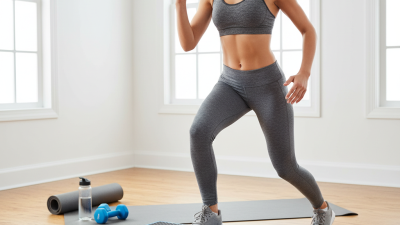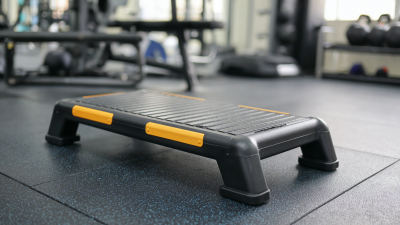
An Exercise Step Platform is a raised, non-motorized surface used for stepping workouts and a range of basic fitness exercises. It looks simple. A typical session might involve stepping up and down to music, performing alternating step-ups, or using the platform for incline push-ups. These movements can challenge the legs and raise the heart rate, with effort shaped by pace, step height, and rest periods. Some platforms include removable risers, allowing users to adjust the height. A lower setting can make practice feel more manageable; a higher one generally asks for more effort. The exact experience depends on the person and the equipment.
The platform can also support exercises such as squats, calf raises, and supported stretches, provided the surface is stable and the movement suits the user. It is not automatically a low-impact or universally appropriate choice. Repeated stepping may bother some people, and balance can be a concern. Check the manufacturer’s instructions, secure any risers, leave clear space around the platform, and begin at a comfortable height. Small details matter. A controlled step, with the whole foot placed securely on the surface, is usually more useful than rushing through repetitions. Still, it is tempting to assume that every step-up works the same muscles in the same way. That deserves a closer look. Understanding what the platform is used for—and what affects the workout—helps readers choose exercises and settings with better judgment.
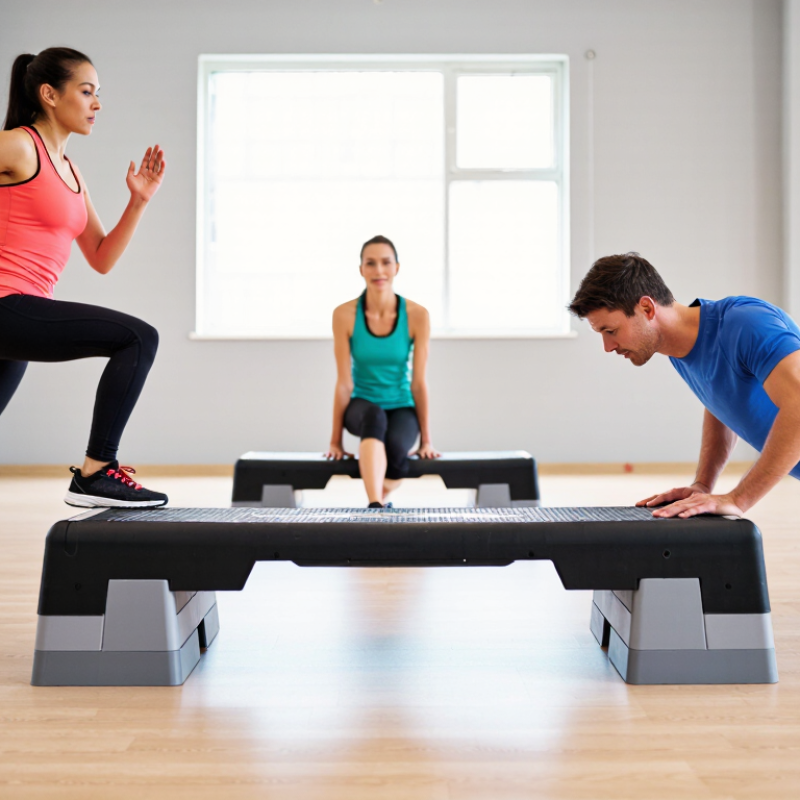
An exercise step platform is mainly used for low-impact cardio and strength exercises. Stepping up and down raises the heart rate while letting you adjust the pace. A few minutes of steady step-ups can fit into a warm-up or a longer workout.
Small steps count.
You can also use the platform for movements such as incline push-ups, elevated lunges, and calf raises. These variations work different muscle groups without needing much equipment.
The platform also helps practise balance and coordination. For example, controlled step-ups ask you to place each foot securely and lower it with care.
Keep it controlled.
Choose a height that lets you move comfortably, and place the platform on a flat, non-slip floor. Check that it does not wobble before starting. It is easy to overestimate how quickly you can move, especially when tired, so slower repetitions are often more useful than rushed ones. A step platform can support many routines, but it is not automatically suitable for every person or every exercise. If a movement causes pain or feels unstable, stop and adjust it.
What Is an Exercise Step Platform Used For?
How Step Platforms Support Cardio Training
An exercise step platform turns simple up-and-down movement into a repeatable cardio session. Each step raises the heart rate, while adjustable tempo lets beginners start gently and build effort. At home, a clear floor area and a steady platform matter more than fast choreography. Try stepping for 30 seconds, then marching in place for 30 seconds. Small steps count.
For a basic pattern, place one foot fully on the platform, bring the other up, then step down with control. Alternate the leading leg every minute to share the work. Keep your chest lifted and knees moving comfortably in line with your feet. Avoid choosing a height that makes balance uncertain. A lower platform can still challenge your heart when you increase the pace or interval length. That matters.
You can add side steps or knee lifts for brief changes in rhythm without complicated equipment. Choose a pace that allows steady breathing; if speaking becomes difficult, slow down or rest. People with joint pain, balance concerns, or a health condition should choose low-impact options and seek guidance from a qualified professional. One drawback: repeated patterns can feel monotonous. Music may help, but changing moves too often can make foot placement less predictable.
| Step Platform Use | How It Supports Cardio | Example Session | Typical Effort | Practical Safety Cue |
|---|---|---|---|---|
| Basic step-ups | Repeatedly stepping onto and off the platform raises movement demand and can keep the heart and breathing rate elevated. | Alternate leading legs for 5–10 minutes at a steady pace. | Light to moderate; you should be able to speak in short sentences. | Place the whole foot on the platform and step down with control. |
| Low-impact step patterns | Moves such as side steps and knee lifts add continuous rhythmic movement without requiring jumps. | Combine 1 minute of basic steps with 1 minute of side steps; repeat for 10–20 minutes. | Adjust the pace so breathing increases but movement remains controlled. | Keep the platform on a level, non-slip surface and leave clear space around it. |
| Step aerobics combinations | Changing step patterns and direction can make a cardio session more varied and coordination-focused. | Practice a short sequence for 2–3 minutes, then repeat it several times with brief recovery as needed. | Moderate to vigorous, depending on pace, step height, and the participant. | Learn the footwork at a slow pace before adding speed or complex turns. |
| Interval training | Alternating faster and easier stepping periods provides a simple way to vary workout intensity. | Try 30 seconds of quicker stepping followed by 60 seconds of easy stepping; repeat 6–10 times. | Hard intervals should feel challenging; recovery periods should allow breathing to settle. | Use a pace that allows stable footing; stop if you feel pain, dizziness, or unusual shortness of breath. |
| Warm-up or movement break | Gentle stepping increases movement gradually before a workout or helps break up long periods of sitting. | Step at an easy pace for 3–5 minutes. | Easy; conversation should remain comfortable. | Start with a low step height and wear supportive footwear. |
Effort guide: Intensity varies with fitness, pace, and platform height. Start at a comfortable level, increase gradually, and follow any advice from a qualified health professional.
An exercise step platform turns a simple stair-like movement into repeatable lower-body work. Each step-up asks the quadriceps and gluteal muscles to lift your body, while the calves help steady the ankle. Lowering slowly matters too: it makes the working leg control your descent instead of letting gravity do everything. Keep the whole foot on the platform, and avoid pushing hard off the trailing foot.
Small changes shift the challenge. A higher step increases the range of motion, while a light hand weight adds resistance. Start with a height that lets your knee track comfortably over your foot. The platform should not wobble. That matters. The U.S. Physical Activity Guidelines recommend muscle-strengthening activity for all major muscle groups at least two days per week. Step-ups can contribute, but they do not automatically train every major group.
For a practical strength target, the American College of Sports Medicine’s 2009 position stand describes 8–12 repetitions as a typical range for novice resistance training, performed two or three days weekly. That guidance is general resistance-training advice, not a step-platform prescription. Try controlled sets on each leg, stopping when balance or form slips. I find the lowering phase is often the part people rush; it is also where a shaky knee becomes obvious. A low step may feel almost too easy, so progress gradually rather than chasing height.
An exercise step platform turns a small floor area into a low-impact cardio and strength station. Common cardio patterns include basic step-ups, alternating lead legs, knee lifts, hamstring curls, and side-to-side travel. Change the rhythm or stepping height to adjust the challenge; keep movements controlled rather than chasing speed. The 2024 Adult Compendium of Physical Activities assigns MET values to activities, helping compare energy demands, but actual effort varies with pace, step height, and fitness.
Start with a low platform. Keep it simple.
The platform also supports strength variations: shallow squats beside the step, calf raises on its edge, reverse lunges, and hands-elevated push-ups. For a short circuit, alternate one minute of step-ups with a set of squats, then rest as needed. The CDC recommends adults aim for at least 150 minutes of moderate-intensity aerobic activity weekly, plus muscle-strengthening activity on two days. Step sessions can contribute, but intensity matters: breathing should rise while conversation remains possible. Choreography can get messy, especially when lead legs change; pause, reset, and use the handrail or a stable wall nearby if balance feels uncertain. A step is exercise equipment, not a test of coordination.
An exercise step platform supports step-ups, lateral taps, and short cardio intervals at home or in a studio. Safe setup starts with a firm, level floor and clear space around every edge. Check that the feet sit flat and the surface does not slide. No wobble. Choose a height you can step onto quietly, without your knee rising sharply or your body leaning forward. A common mistake is choosing by ambition rather than control. Start low; increase height only when your footing stays steady.
For selection, check the platform’s stated user-weight limit, footprint, grip texture, and whether height changes lock securely. Avoid stacking loose risers. The ASTM F2276 fitness-equipment standard addresses stability and related safety considerations, but a standard does not replace checking a specific product or floor. CDC’s 2018 Physical Activity Guidelines recommend at least 150 minutes of moderate-intensity activity each week for adults. A CDC analysis of 2020 survey data found 24.2% of U.S. adults met both aerobic and muscle-strengthening recommendations. A step platform can make brief movement sessions easier to fit in, but it is not a shortcut to those targets. Keep sessions controlled, especially when tired. Stop if the platform shifts. I would still recheck the setup after moving it.
Step platforms are used for step aerobics and other workouts that involve stepping up and down. Adjustable platforms commonly offer height settings such as 4, 6, and 8 inches (about 10.2, 15.2, and 20.3 cm). Start at a comfortable height, place the platform on a level, non-slip surface, and check that risers are securely fitted before exercising. Available settings vary by platform.