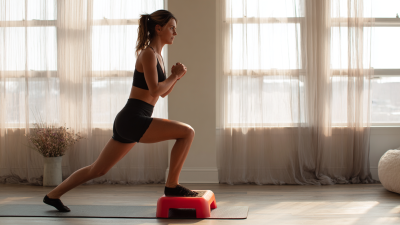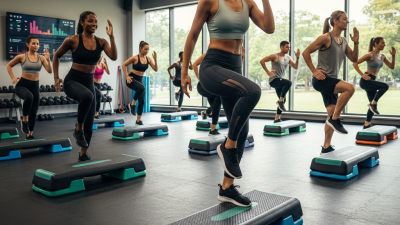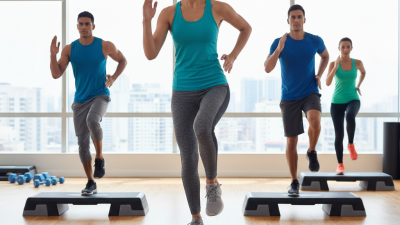
Choosing the best Exercise Step for a commercial gym requires more than comparing prices or bright product photos. The right model must support frequent use, varied body sizes, and different training goals. It should feel stable under fast footwork, controlled step-ups, and beginner practice. A slippery surface or weak locking system can quickly reduce member confidence.
In this guide, we examine Exercise Step design through practical gym experience and established fitness principles. We consider platform height, weight capacity, grip, storage, adjustability, and cleaning demands. A busy facility may need a durable step that staff can inspect quickly between sessions. Trainers may also prefer adjustable levels because one platform can serve rehabilitation, conditioning, and group classes. These details matter when dozens of members share the same equipment daily.
Still, no single product suits every facility. That is the uncomfortable part. A premium step may offer excellent durability but exceed a smaller gym’s budget. A lightweight model may be easy to move but feel less secure during intense workouts. Product claims should be checked against manufacturer specifications, warranty terms, and hands-on testing. We will compare these factors carefully, while recognizing that real-world performance can vary. The best Exercise Step is not simply the most expensive option. It is the safest, most practical match for your members, trainers, floor space, and maintenance standards. Fit matters.
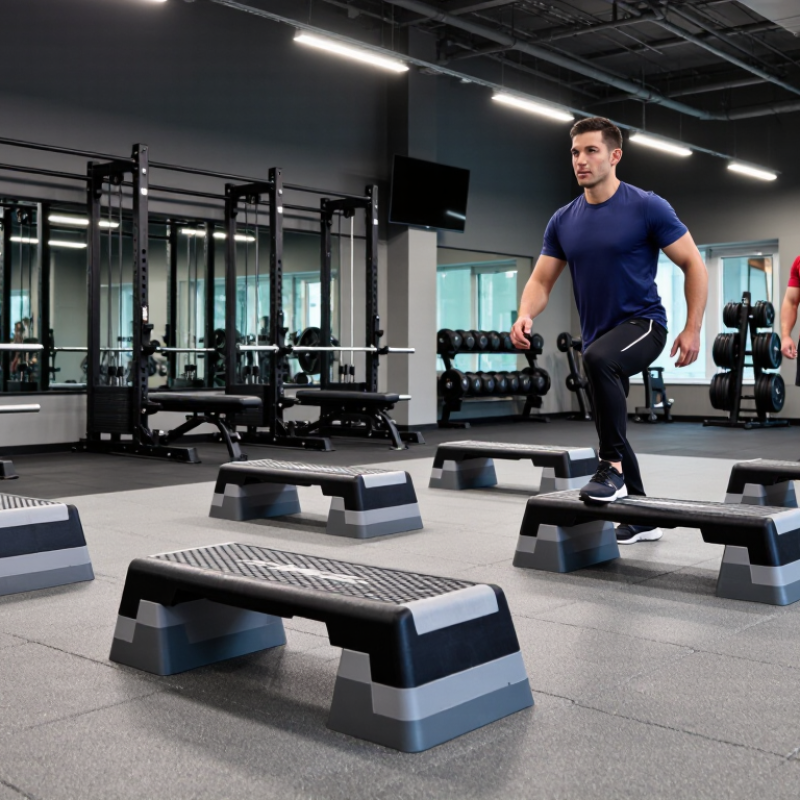
In a commercial gym, an exercise step is a stable, raised platform for stepping, jumping, balance drills, and supported strength work. Its purpose is to create controlled height changes for aerobic, mobility, and resistance exercises. Height matters. Lower settings help beginners build confidence and coordination. Higher settings demand more leg strength, balance, and joint control.
In daily coaching, I use exercise steps to organize group workouts without complicated equipment. A trainer can demonstrate step-ups, lateral movements, split squats, and incline push-ups on one platform. The step also gives members a clear training boundary, which reduces confusion during busy classes. Some users need a wider surface, while others prefer adjustable height. That difference is easy to overlook.
A suitable commercial step should have a non-slip surface, stable feet, and a clearly stated load rating. The edges should remain visible under bright or uneven gym lighting. Facility staff should inspect cracks, loose parts, and worn rubber regularly. I have seen people place steps on dusty floors, assuming the rubber base would prevent movement. It did not. Cleaning improves grip, but it cannot repair damaged materials. A trustworthy supplier should provide practical specifications, safety guidance, and maintenance information. Even then, staff still need to judge the user’s ability, footwear, fatigue, and movement quality before increasing the height.
What Is the Best Exercise Step for Commercial Gyms?
Key Features of a Safe and Effective Exercise Step
A commercial exercise step should feel stable before it feels challenging. In my experience, a wide, non-slip platform helps users maintain balance during fast movements. The surface needs enough grip, even when shoes or hands become slightly damp. Rounded edges can reduce painful contact during floor exercises.
A reinforced frame should support repeated use without rocking or bending. Clearly marked weight limits help gym staff manage equipment responsibly. Adjustable height adds training variety, but each setting must lock firmly. Loose risers are a serious warning sign. The step should also have smooth, sealed surfaces that staff can clean quickly between sessions. This matters more than many buyers expect. I have seen attractive equipment become difficult to maintain because of narrow gaps and rough joints.
Tips: Test the step with lateral movements, not just basic stepping. Check every lock before use. Place it on a level floor. Replace damaged grip surfaces promptly. Keep clearance around the platform for safe movement.
An effective step should suit beginners and experienced members. Moderate height supports controlled squats, lunges, and low-impact cardio. Higher settings can increase intensity, but they also demand better coordination. One design cannot fit every user perfectly. Gym managers should consider member ability, class size, storage space, and daily cleaning routines before purchasing. Safety improves when equipment matches real training conditions.
| Evaluation Dimension | Recommended Specification | Safety or Performance Benefit | Practical Verification Method | Overall Importance |
|---|---|---|---|---|
| Platform Size | Approximately 90–110 cm long and 30–40 cm wide | Provides sufficient room for common step-up, lateral step, lunge, and aerobic routines while helping users maintain stable foot placement. | Measure the usable top surface and confirm that the complete foot can remain on the platform during normal exercises. | High |
| Adjustable Height | At least three settings, typically about 10–25 cm | Allows the same equipment to support beginners, experienced users, rehabilitation-oriented training, and higher-intensity workouts. | Check that every height setting locks securely and cannot change when the step is loaded. | High |
| Load Capacity | A clearly stated user-and-equipment capacity of at least 150 kg, with an appropriate safety margin | Supports a broad range of adult users and reduces the risk of structural deformation during repeated dynamic movements. | Review the manufacturer’s documented rating and inspect the frame, joints, and support points for deflection or damage. | Critical |
| Non-Slip Top Surface | Full-coverage textured or rubberized surface with secure bonding | Improves traction when users are stepping quickly, training with damp footwear, or exercising in a high-traffic gym environment. | Check the entire surface for peeling, smooth patches, loose sections, or reduced grip when lightly damp. | Critical |
| Base Stability | Wide, level supports with anti-slip feet and minimal rocking | Helps prevent sliding, tipping, and unwanted movement during repeated step-ups and lateral drills. | Place the step on a level floor, apply pressure from several directions, and confirm that all supports remain in contact with the floor. | Critical |
| Edge Design | Rounded or chamfered edges without sharp corners or exposed hardware | Reduces the likelihood of cuts, clothing snags, and impact injuries when users move around the equipment. | Run a visual and tactile inspection around all platform edges, corners, seams, and fasteners. | High |
| Frame and Surface Materials | Rigid, impact-resistant construction with corrosion-resistant hardware | Improves durability under frequent commercial use, repeated cleaning, and changing indoor humidity conditions. | Inspect welds, joints, fasteners, and surfaces for cracks, corrosion, distortion, or material separation. | High |
| Height-Adjustment Mechanism | Positive-lock pins, secure supports, or an equivalent fail-safe locking system | Prevents accidental height changes while the user is stepping or jumping onto the platform. | Engage each setting fully and apply downward and sideways force before allowing gym-floor use. | Critical |
| Weight and Handling | Light enough for staff to move safely, but heavy or structured enough to remain stable | Balances convenient storage and floor reconfiguration with the stability expected in a commercial training area. | Check whether one trained staff member can move it using safe lifting technique without compromising control. | Medium |
| Storage Efficiency | Stackable or compact design with stable nesting | Helps keep walkways clear and reduces trip hazards when multiple steps are stored in group-training areas. | Stack units on a level surface and confirm that the stack remains stable without leaning or sliding. | Medium |
| Cleaning and Maintenance | Smooth, sealed areas that tolerate routine cleaning; replaceable or serviceable wear components preferred | Supports hygiene in shared-use facilities and makes it easier to identify damage before it creates a safety risk. | Follow the cleaning instructions, then inspect seams, grip surfaces, feet, and locking components after repeated use. | High |
| User Guidance | Clear height markings, visible inspection labels, and basic usage instructions | Encourages consistent setup, helps users select an appropriate height, and supports staff safety checks. | Confirm that markings remain legible and that instructions are easy to understand from a normal standing position. | Medium |
| Commercial Suitability | Designed and documented for repeated, supervised gym use | Commercial facilities typically experience higher frequency of use than home environments, requiring stronger inspection and maintenance practices. | Review the intended-use documentation, inspection schedule, replacement guidance, and applicable safety information. | Critical |
For commercial gyms, exercise step types should be compared by traffic, adjustability, and user skill. A fixed aerobic step suits classes because it is light, stable, and quick to reposition. Its limited height can frustrate stronger users.
An adjustable step offers several riser levels, supporting beginners, older adults, and progressive conditioning. However, loose risers create extra inspection work.
A plyometric box serves jumping, step-ups, and strength circuits. It provides greater exercise variety, but its larger footprint can interrupt busy floor layouts. Rounded or soft-edged designs may reduce contact injuries during rushed sessions.
The American College of Sports Medicine’s 2024 Worldwide Survey of Fitness Trends placed functional fitness among the leading industry priorities, supporting equipment that serves multiple movement patterns. Still, versatility should not replace stability.
The IHRSA 2024 Global Report recorded more than 180 million health-club members worldwide in 2023. That scale means equipment must tolerate repeated use, cleaning, and hurried transitions.
In my experience, a medium-height adjustable step often offers the best compromise for general commercial floors. It supports classes without excluding less experienced members. Yet this is not a perfect answer.
High-volume facilities may need fixed steps for class consistency and separate plyometric boxes for performance zones. Staff should check slipping, cracked surfaces, and uneven risers daily.
ASTM fitness-equipment guidance can inform inspection procedures, but local requirements still matter. The safest choice is the one staff can monitor consistently.
Choosing the best exercise step starts with the user, not the equipment catalogue. A beginner or older adult usually needs a low, stable platform between 10 and 15 centimetres. It should have a wide surface, visible edges, and a slip-resistant top. These details matter when balance is limited. The World Health Organization recommends regular aerobic and muscle-strengthening activity, but it does not prescribe one step height for everyone. That gap requires practical judgment.
For general members, an adjustable step from 15 to 25 centimetres supports marching, step-ups, split squats, and light conditioning. A heavier platform can reduce movement during busy group sessions. For trained users, a higher setting may add challenge, but height should never replace control. The American College of Sports Medicine’s 2024 Worldwide Survey ranked functional fitness training ninth among global fitness trends. That supports versatile equipment for real movement patterns, not only intense workouts.
Commercial gyms also need to consider cleaning, storage, and repeated impact. A platform that feels steady in a showroom may shift on a crowded studio floor. I have seen users choose excessive height because it looks more athletic. That choice often shortens the range of safe practice. Staff should test each setting with different body sizes and mobility levels. A simple trial can reveal problems that specifications miss. Weight limits, floor clearance, and accessibility should be checked before purchase.
A commercial exercise step seems simple, but its safety depends on daily care. Inspect the platform, edges, and support points before opening. Look for cracks, loose parts, worn surfaces, or movement under light pressure. A slightly unstable step can become dangerous during fast drills. Record findings in a maintenance log. This creates accountability and helps staff notice repeated problems.
Placement matters as much as equipment condition. Keep the step on a flat, dry, non-slip floor. Leave clear space on every side for stepping, turning, and recovery. Do not place it beside weights, sharp corners, or busy walkways. Good lighting helps users see the platform edge. Instructors should demonstrate controlled movements and discourage jumping onto a damaged or poorly positioned step. Users should wear suitable training shoes and stop when balance or control declines.
Tips: Check before each session. Clean sweat promptly. Store steps away from heat and moisture. Match the step height to the user’s ability, not their ambition. Staff should review inspection records weekly and remove questionable equipment immediately. A checklist is useful, but it is not perfect. People can still overlook a small crack during a busy shift. A second visual check may prevent an avoidable injury. Clear instructions, attentive supervision, and honest reporting support safer commercial gym operations.
Maintenance, placement, and safe-use checks should follow a consistent operating schedule. The chart shows the number of routine checks expected in a typical 30-day commercial-gym month.
Daily checks should confirm that the platform is stable, dry, clean, and free from visible cracks or damaged non-slip surfaces. Weekly checks should include fasteners, risers, and frame condition. A monthly review should document wear, placement, storage, and replacement needs. Keep steps on a level, unobstructed floor with adequate space around users, and remove any damaged equipment from service immediately.