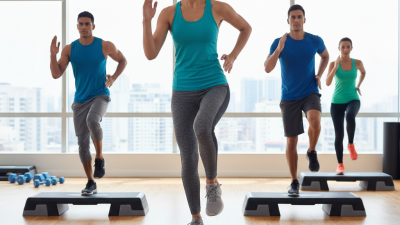
Top 10 Aerobic Stepper Platforms for Home Workouts
A good home workout does not need a crowded room or complicated equipment. It needs a stable surface, enough space to step safely, and movements you can repeat with confidence. An Aerobic Stepper Platform can support low-impact cardio, simple strength exercises, and short routines beside the sofa. But small details matter. A platform that shifts on a smooth floor can interrupt your rhythm. A height that feels manageable today may feel tiring after several rounds.
Dr. Robert Sallis, a family physician and exercise-medicine advocate, has championed the simple motto, “Exercise is Medicine.” That idea suits home step training: useful equipment should help people move regularly, not promise instant results. This guide compares ten platforms through practical details, including height adjustment, surface grip, stability, size, and storage. Look for clear product specifications, and check the manufacturer’s stated weight limit before buying. Then consider where the platform will actually live—under a bed, beside a desk, or in the middle of a shared room. Small things count.
Not every platform will suit every body, floor, or routine. That is worth admitting. The right choice should feel steady underfoot and comfortable for your intended workouts, while leaving room to progress at your own pace.
What Aerobic Stepper Platforms Are and How They Support Home Workouts
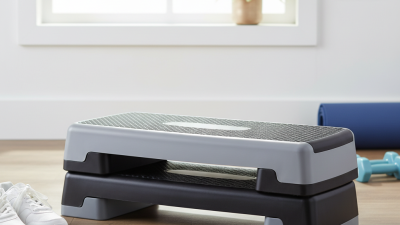
An aerobic stepper platform is a low, sturdy surface used for stepping movements and simple home cardio routines. Unlike a staircase, it stays in one place and usually offers adjustable risers to change its height. That small adjustment matters: a low setting can make movement feel more manageable, while a higher setting may demand more effort. The platform is compact, but it still needs clear floor space.
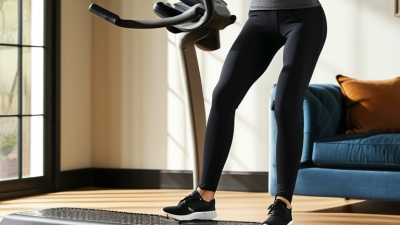
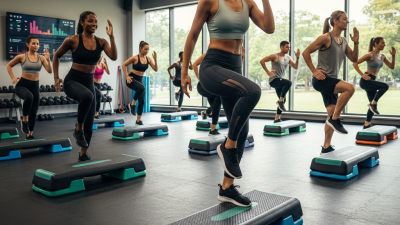
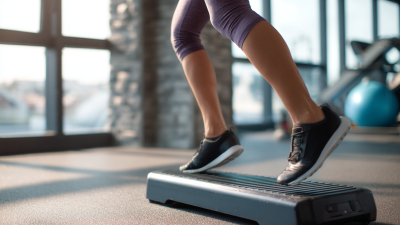
A workout might include stepping up and down, alternating lead legs, or adding controlled arm movements. Short intervals can raise the heart rate without requiring complicated equipment. Keep the whole foot on the platform, and step down gently rather than jumping. Wear shoes with a secure grip. Check that the surface sits flat and does not wobble before starting. Start low. It sounds obvious, yet people can overlook it when eager to move faster.
Stepper platforms can support balance, coordination, and cardiovascular exercise, depending on the routine and the person’s fitness level. They are not a complete substitute for strength training or varied movement. If a step feels unstable, reduce the height or slow the pace. A useful routine should feel repeatable, not punishing. Small adjustments often make the difference, though progress may be less dramatic than expected.
How to Evaluate Stepper Platforms for Stability, Adjustability, and Durability
A reliable aerobic stepper should stay planted when your weight shifts quickly from heel to toe. Check for wide, rubberized feet and a textured deck; then test it on a hard floor and carpet. Feel any rocking? Don’t ignore it. Adjustable risers should lock firmly, without pinching or sliding under pressure. Compare the platform’s stated weight limit with your body weight and workout load, leaving a safety margin. ASTM International’s F2276 fitness-equipment specification offers a useful safety reference, though it does not replace hands-on inspection.
Durability depends on more than thick plastic. Look for reinforced riser sockets, even molding, and clear care instructions. Press each corner and listen for creaks; inspect joints for hairline cracks after repeated sessions. A small flaw may grow. The CDC recommends adults get at least 150 minutes of moderate activity weekly and muscle-strengthening activity on two days. That makes frequent use realistic, so choose a platform that feels secure at your actual stepping pace, not only during a showroom-style test. ACSM’s 2024 Worldwide Survey of Fitness Trends ranked traditional strength training seventh, reflecting continued interest in strength-focused exercise. Still, survey rankings cannot predict how long one platform will last in your home. Check the warranty terms and reassess the deck and risers regularly.
Top 10 Aerobic Stepper Platforms for Different Home Workout Needs
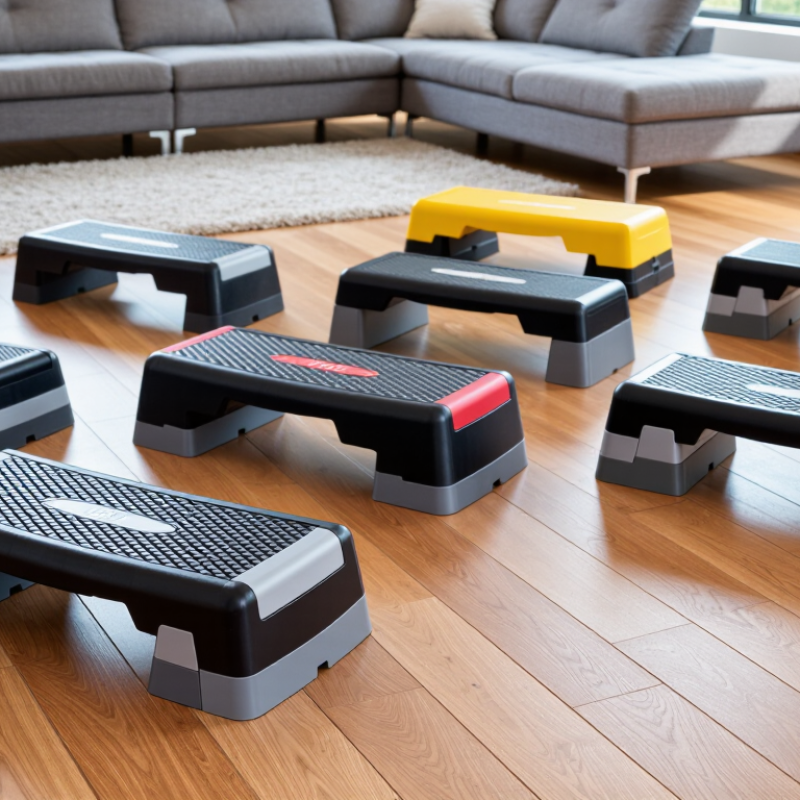
Home step platforms suit different rooms, fitness levels, and workout styles. A compact platform fits beside a sofa. A low fixed-height model offers a simple starting point. Adjustable-height platforms adapt as movements become more challenging. Wide decks give extra room for lateral steps. Lightweight models are easier to move between sessions. Textured surfaces can help shoes grip. Modular risers let users change the height gradually. Heavy-duty platforms may suit larger users, but always check the stated weight limit. Floor-friendly feet help reduce slipping and scratches. Longer decks can feel more comfortable during wider movements.
Tips: Set the platform on a flat, clear floor. Test its stability before stepping quickly. Wear shoes with reliable traction, and keep nearby furniture out of your stepping path.
A useful platform should match your actual routine, not an imagined one. Measure your storage space and check the deck dimensions before buying. I might overlook height when comparing photos, so I would verify measurements carefully. More height is not always better; it can make controlled movement harder. For frequent workouts, prioritize a steady base and a surface that feels secure underfoot.
Key Features, Benefits, and Limitations of Each Platform
A useful home stepper should match your floor space, workout style, and balance needs.
Fixed-height platforms are simple and sturdy, but offer little difficulty adjustment. Adjustable-height designs add challenge through removable risers; check that every riser locks firmly. Stackable platforms store neatly, though loose pieces can shift if placed carelessly. Compact models fit beside a sofa, but their narrow surfaces may feel cramped during lateral steps.
Wide platforms give beginners more room to place both feet. They can also take up valuable floor space. Textured tops improve grip when shoes are slightly damp, yet deep patterns may be uncomfortable for floor exercises. Non-slip bases help protect smooth flooring, but rubber feet still need inspection for wear. Riser-compatible platforms support varied routines, although frequent height changes interrupt workout flow. A folding design is convenient for small apartments, but hinges deserve close inspection. Small details matter.
Heavy-duty platforms often feel stable under faster movement, though their weight makes storage harder. Compare the listed load limit with your body weight and any added equipment. Look for rounded edges, secure connections, and a surface that stays steady on your floor. These details matter more than extra accessories. A platform that seems ideal in a photo may feel awkward underfoot; measure your space and test basic step-ups slowly before increasing pace. It is easy to overlook that.
How to Choose and Use a Stepper Platform Safely at Home
A home stepper should feel steady before it feels challenging. Check the platform’s stated weight limit, non-slip surface, and rubber feet before buying. Place it on a hard, level floor, not a loose rug that can shift underfoot. Choose a height that lets you step up without lifting your knee uncomfortably or leaning forward. Leave clear space around the platform, especially behind you. Small steps matter. Wear supportive shoes, and test the platform with a few slow step-ups before starting a full workout.
Begin with a low step height and a pace that still lets you speak comfortably. Keep your whole foot on the platform, then step down quietly and with control. Avoid looking at your feet for every repetition; instead, stay near a wall or sturdy support while you learn the movement. It is easy to rush when music starts, but speed can hide sloppy foot placement. Even careful users can get overconfident after a few sessions; that is worth watching. Stop if you feel sharp pain, dizziness, or unusual shortness of breath. Increase workout time or intensity gradually, and check the platform for cracks or loosened feet regularly. A quick inspection takes seconds, though it is easy to skip.
Example Weekly Stepper Schedule
This example adds up to 150 minutes of moderate-intensity aerobic activity across five days—the minimum weekly target recommended for adults by the CDC and WHO. Adjust the pace and duration to your fitness level.
Use your stepper safely: Place it on a stable, nonslip surface, start at a comfortable pace, and step up and down with control. Stop if you feel pain, dizziness, or unusual shortness of breath.