How to Choose the Best Adjustable Exercise Step?
Choosing the right Adjustable Exercise Step is more important than its compact appearance suggests. A stable platform can support step-ups, split squats, calf raises, and controlled aerobic drills at home. A poor choice may wobble, slide, or encourage unsafe knee angles. The details matter.
The World Health Organization reported that nearly 31% of adults worldwide were insufficiently active in 2022. Its Global Status Report on Physical Activity 2022 also emphasizes accessible, regular movement. An adjustable step can make exercise more practical by changing workout height within a small floor space. However, equipment alone does not create consistency. The user still needs a realistic routine, suitable footwear, and enough clearance around the platform.
The American College of Sports Medicine’s Worldwide Survey of Fitness Trends has repeatedly highlighted home-based exercise and functional training as important industry directions. These trends help explain the demand for versatile equipment. Yet “adjustable” does not automatically mean “better.” A taller setting may suit experienced users, while beginners often need a lower, more forgiving platform. The safest option should offer secure height locking, a broad non-slip surface, strong weight support, and simple adjustment controls. Check the manufacturer’s testing information, warranty, and user instructions carefully.
Look closely.
A useful comparison should also consider storage, noise, portability, and cleaning. A step that fits under a bed may be used more often than a heavier model left in a corner. Still, product claims can be incomplete, and some reviews overlook long-term stability. This guide examines the practical evidence, common design differences, and selection mistakes that buyers may miss when choosing the best Adjustable Exercise Step.
What Is an Adjustable Exercise Step and How Does It Work?
How to Choose the Best Adjustable Exercise Step?
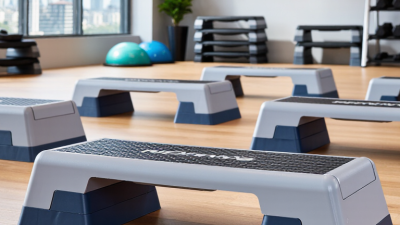
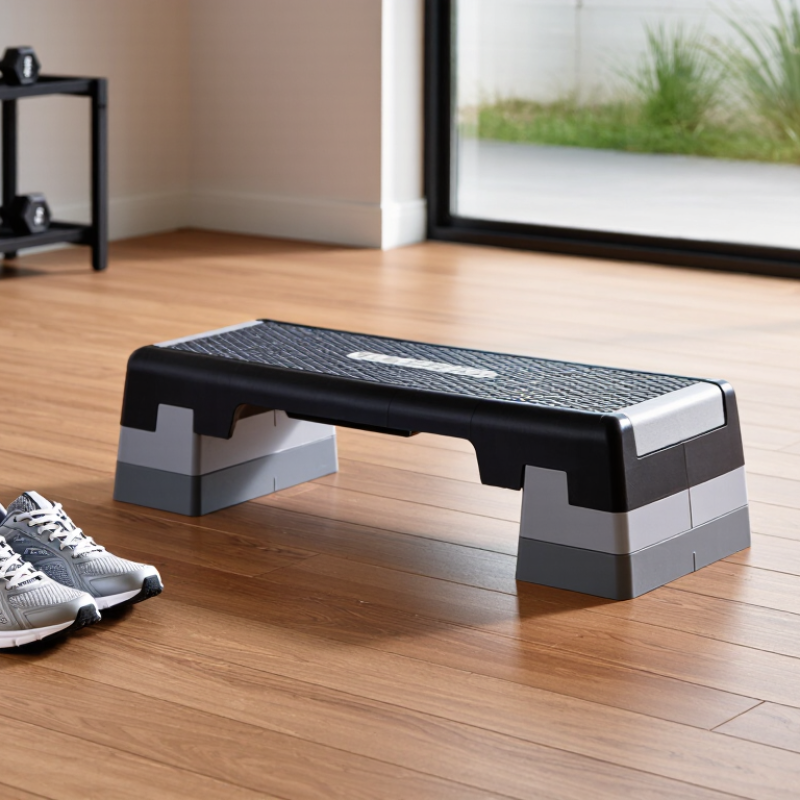
An adjustable exercise step is a raised platform with removable risers or locking height levels. It changes the distance between the floor and your feet. That simple adjustment affects balance, joint loading, and exercise intensity. During step-ups, a higher platform demands more hip and knee flexion. A lower setting supports beginners, rehabilitation work, and controlled conditioning. Many people choose height first, but stability deserves equal attention.
The World Health Organization reports that about 31% of adults worldwide do not meet recommended activity levels (Global Status Report on Physical Activity 2022). A step can make short home workouts more practical. It supports step-ups, split squats, incline push-ups, and low-impact aerobic patterns. Look for a broad, non-slip surface and risers that lock firmly. Test the platform on a hard floor. It should not rock, slide, or produce sharp movement under body weight.
A sensible starting height is often 10 to 15 centimeters, but body proportions matter.
Keep your whole foot on the platform, then drive upward without pushing off aggressively from the floor. The knee should track toward the second or third toe. I have seen users increase height too quickly, confusing difficulty with quality. That choice can reduce control. The step should also match your training space and storage needs. The American College of Sports Medicine continues to emphasize functional, accessible exercise in its Worldwide Survey of Fitness Trends, yet convenience alone does not guarantee safe technique (ACSM, 2024). Check the adjustment mechanism each session. Small details matter.
Which Training Goals and User Needs Should Guide Your Choice?
Choosing an adjustable exercise step starts with your training goal, not the number of height settings.
For aerobic intervals, choose quick adjustments and a stable, non-slip platform. For strength work, prioritize a higher weight capacity and a wide standing surface.
The World Health Organization recommends 150–300 minutes of moderate activity weekly, plus muscle-strengthening exercises on at least two days. Your step should support both patterns.
User needs also shape the decision.
Beginners, older adults, and users returning from injury may need a low entry height and strong edge visibility. Experienced trainees may prefer greater elevation for split squats, step-ups, and controlled plyometrics.
Check the adjustment locks carefully. A loose riser can change your movement and confidence. I once underestimated platform width; a narrow surface made lateral drills feel awkward. That small detail matters.
Tips:
Measure your storage area before buying. Test every height with slow step-ups. Keep two fingers near the support when balance feels uncertain. The American College of Sports Medicine continues to emphasize functional training and strength development in its worldwide fitness trend reports.
Still, trend data cannot replace individual assessment. If knee pain appears, reduce height and review your technique with a qualified exercise professional. Some users may need a lighter, simpler step rather than the most adjustable model.
How to Evaluate Height Settings, Stability, Size, and Weight Capacity
Choosing an adjustable exercise step starts with height settings, not appearance. ACSM’s 2025 Worldwide Survey of Fitness Trends keeps functional fitness among leading industry trends. That reflects real demand for movements such as step-ups, split squats, and low-impact conditioning. Beginners usually need a lower platform, around 10–15 centimeters. Advanced users may prefer 20–30 centimeters. Adjustable levels should lock clearly, without side-to-side movement. Smaller increments help users progress gradually, although more settings can create more parts to inspect.
Stability
depends on the base, surface contact, and construction. Look for wide feet, textured rubber, and a platform that stays quiet during repeated landings. ASTM F2276, a fitness-equipment safety standard, emphasizes stability, structural integrity, and user instructions. It does not make every product automatically safe. That distinction matters. A step can feel solid during slow squats but shift during fast lateral drills. I have found that testing it on the actual floor is more useful than trusting a product photograph.
Size should allow the whole foot to land comfortably, including the heel. A narrow platform may encourage awkward placement. Weight capacity must exceed the user’s body weight plus movement forces. Manufacturers often publish a static limit, not a tested dynamic limit. That is an important weakness. The American College of Sports Medicine recommends individualized progression and proper technique, so select a step that leaves room for both training growth and error. The best choice may be slightly heavier, wider, and less convenient to store.
Which Materials, Surface Features, and Adjustment Systems Matter Most?
How to Choose the Best Adjustable Exercise Step?
Material, surface design, and adjustment quality determine whether an exercise step feels stable or merely looks strong. The World Health Organization’s Global Status Report on Physical Activity estimates that 31% of adults worldwide were insufficiently active in 2022. The CDC’s National Health Statistics Reports found that only 26.3% of U.S. adults met both aerobic and muscle-strengthening guidelines in 2022. A reliable step can support gradual home training, but poor construction can discourage consistent use.
Choose a rigid platform made from reinforced plastic, steel, or a carefully joined combination. The frame should resist twisting under lateral movement. A textured, sweat-resistant surface helps prevent slipping during fast step-ups. Rounded edges reduce painful contact if balance fails. Rubber feet matter too. They should grip hard floors without leaving oily marks. Test the adjustment system repeatedly. Locking pins are simple and visible, while telescoping systems offer faster height changes. Either design can fail when parts feel loose. I would not trust a maximum-load number without checking movement stability.
Tips:Place the step on a clean, level floor. Check every lock before training. Increase height gradually, often by 2–5 centimeters. A small wobble is not acceptable. Record unusual noise or looseness after several sessions. The perfect surface does not exist; some textures grip well but collect dust quickly. Inspect it honestly.
How to Compare Models and Select the Right Exercise Step Safely
How to Choose the Best Adjustable Exercise Step?
Choosing an adjustable exercise step safely requires more than comparing prices or height settings. The World Health Organization’s Global Status Report on Physical Activity 2022 found that 31% of adults worldwide were insufficiently active. A stable step can support accessible training, but poor design may increase slipping or ankle risks.
Compare each model by platform width, adjustment mechanism, weight capacity, and surface grip. Look for height changes that lock visibly and resist movement under load. A broad platform gives your whole foot room, especially during lateral movements. Check the underside, too. Rubber feet should remain planted on hard floors and low-pile carpet. They may behave differently on smooth tile.
The American College of Sports Medicine’s 2024 Worldwide Survey ranked traditional strength training fifth among global fitness trends. That interest makes equipment quality more important. Test the step with slow bodyweight squats before faster drills. It should not rock, twist, or produce sharp clicking sounds. A 10-centimeter setting may suit beginners, while higher levels demand stronger balance and control. Do not choose height by ambition alone. I have seen users increase it too quickly, then compensate with poor knee alignment. That mistake is easy to repeat. Follow the stated load limit, inspect locking parts regularly, and stop when pain replaces normal muscle effort. No checklist replaces judgment.