
Top Mini Pedal Exercisers for Global Buyers in 2026
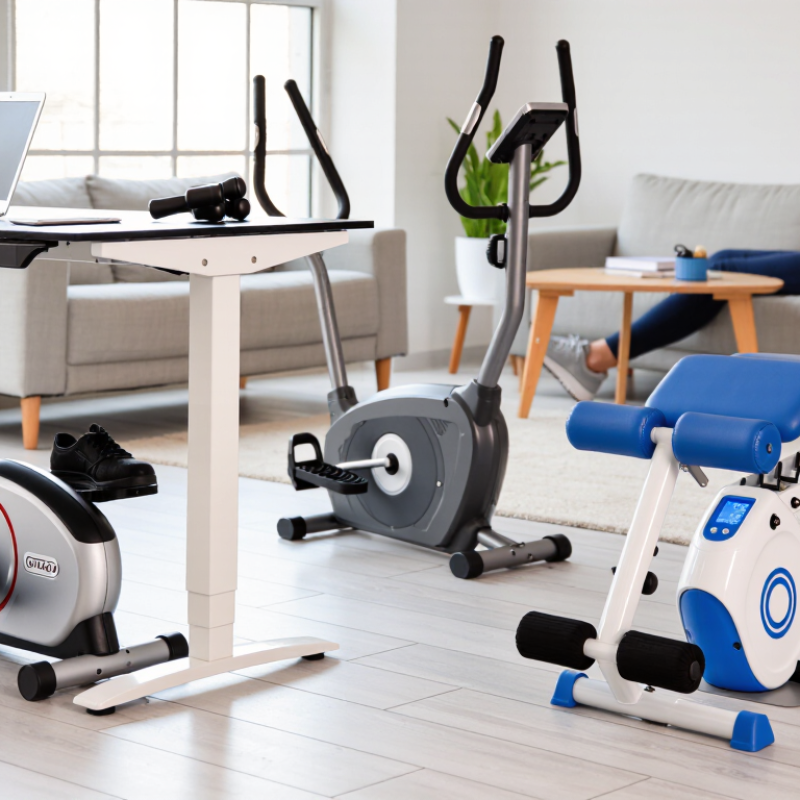
A Mini Pedal Exerciser can make movement easier to fit into a crowded day. It may sit beneath a desk, beside a sofa, or near a rehabilitation chair. Yet compact size alone does not make a model suitable. Buyers should examine pedal smoothness, frame stability, resistance control, display readability, and storage needs. Small details matter. A unit that creeps across tile or strains the knees may soon be ignored.
Sports medicine specialist Dr. Edward Laskowski is often associated with this practical reminder: “The best exercise is the one you’ll do consistently.” For global buyers, that idea points beyond marketing claims. A quiet machine may suit a shared office, while a wider base can feel steadier on smooth floors. Adjustable resistance helps users begin gently and progress at a comfortable pace. Still, a pedal exerciser is not a substitute for individualized clinical advice, especially during recovery or when pain is present.
This 2026 guide compares leading options through everyday buying questions: Who will use the device? Where will it stand? Can the pedals turn smoothly at a slow pace? We also consider assembly, portability, display functions, and the clarity of product support. Specifications can look convincing on a product page. Real use can feel different. That is why this overview treats comfort, fit, and consistent movement as practical priorities—not promises of medical results.
What Mini Pedal Exercisers Are and How They Work
A mini pedal exerciser is a compact set of pedals connected to a crank and base. Unlike a full-size bike, it usually has no seat or handlebars. You place it on the floor while sitting, or on a sturdy table for gentle arm cycling. The crank turns as your feet or hands push the pedals. Small, repeated movements. Many models let users adjust resistance, though the controls and range differ.
Inside, the pedals drive a rotating mechanism, often with a flywheel or another resistance system. Turning a dial can make each rotation feel harder or easier. A basic display may show time, estimated distance, or revolutions; these figures are useful for tracking a session, but they are not precise medical measurements. Keep the base on a level, nonslip surface. A chair that rolls can drift, which is more than annoying.
These devices can add light movement during desk work or seated routines. They are not a complete substitute for walking, strength training, or advice from a health professional. I would not assume that a compact size means every model feels stable: pedal smoothness and frame weight matter. Try a short session first. Notice whether your knees stay comfortable and the unit remains in place. Some details are easy to overlook.
Top Mini Pedal Exercisers for Global Buyers in 2026 - What Mini Pedal Exercisers Are and How They Work
Mini pedal exercisers are compact devices with pedals and a rotating crank, designed for seated leg exercise or, when placed securely on a table, arm exercise. Manual models are driven by the user; motorized models turn the pedals with an electric motor. Features and specifications vary by model.
| Type or feature | How it works | Typical use | Advantages | Points to check |
|---|---|---|---|---|
| Manual, fixed-frame pedal exerciser | The user turns the pedals; resistance is commonly adjusted with a tension control. | Seated leg pedaling or arm pedaling on a stable tabletop. | Straightforward operation and no motor power required. | Check frame stability, pedal straps, resistance adjustment, and whether it stays in place on the intended surface. |
| Foldable manual pedal exerciser | Pedaling works like a fixed-frame manual model; the frame folds for storage. | Occasional home use or spaces where storage room is limited. | Folding construction can make storage and transport easier. | Confirm the locking mechanism is secure during use and that the unfolded frame sits steadily. |
| Motorized pedal exerciser | An electric motor rotates the pedals; controls may allow speed or direction selection. Some models also permit manual pedaling. | Users who want motor-assisted movement while seated. | Can provide powered pedal movement without the user continuously driving the crank. | Check power requirements, controls, safety instructions, and whether the operating mode suits the intended user. |
| Resistance system | Resistance opposes pedal rotation. Depending on the design, it may be adjusted by a tension knob or controlled electronically. | Users seeking lighter or harder pedaling within the device’s design limits. | Adjustable resistance offers more control over pedaling effort. | Resistance levels are not standardized across models; compare the adjustment method and operating instructions. |
| Display and tracking | A basic electronic display may show measures such as time, pedal revolutions, or an estimated calorie value. | Users who want a simple record of a session. | Provides at-a-glance session information when included. | Display functions differ, and calorie figures are estimates rather than direct measurements of energy use. |
| Placement and stability | The unit sits on the floor for leg use or on a firm, level surface for arm use. | Use at a chair, desk, or table, according to the device instructions. | Compact construction can fit into a seated exercise setup. | Check clearance, non-slip feet, chair position, and surface stability; stop if the unit shifts during use. |
| Choosing for a global purchase | Compare the device’s documented features and intended use rather than relying on category names alone. | Home, office, or supervised exercise settings. | A checklist helps match the unit to available space and user needs. | Verify dimensions, net weight, power compatibility for motorized models, included accessories, instructions, and local import requirements with the seller. |
Note: A mini pedal exerciser supports seated pedaling but is not a full-size stationary bicycle. Follow the product instructions, and seek professional advice when exercise suitability is uncertain.
Related Posts
-
Why Choose a Fitness Aerobic Step Platform?
-

How to Use an Adjustable Step Platform for Effective Workouts?
-
Impact of Adjustable Step Platform on Efficiency and Safety in the 2025 China Import and Export Fair
-

Explore Unique Alternatives to the Best Aerobic Weighted Body Bar for Your Fitness Needs
-

Ultimate Adjustable Height Exercise Step for Your Home Workout Revolution
-
2025 Best Practices: How to Use an Exercise Step Platform for Ultimate Workouts