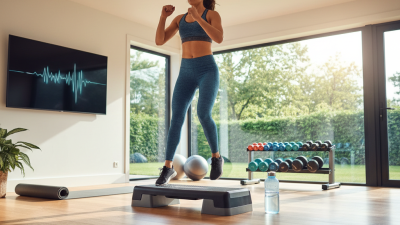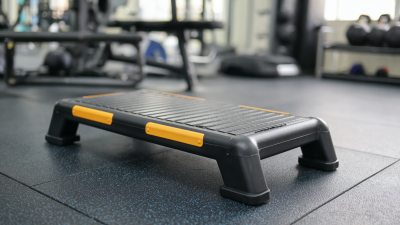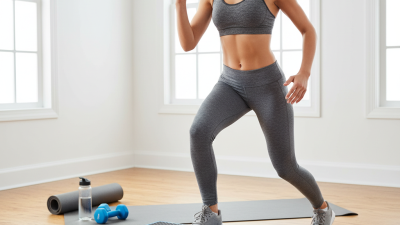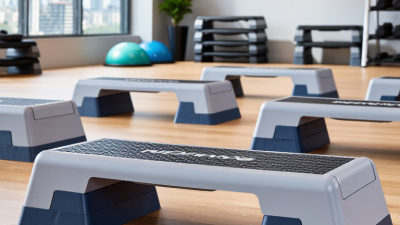
Balance From Aerobic Step is more than stepping up and down to music. It challenges foot placement, ankle control, rhythm, and attention at the same time. A six-inch platform can turn a familiar movement into a careful coordination task.
The World Health Organization reports that falls cause approximately 684,000 fatal injuries worldwide each year. Its guidance also identifies exercise programs that improve strength and balance as valuable prevention tools. The American College of Sports Medicine’s Worldwide Survey of Fitness Trends continues to place functional fitness and older-adult exercise among important industry priorities. These findings support structured movement, but they do not prove that every step routine improves balance equally.
Dr. Fay Horak, a leading balance researcher and creator of the Balance Evaluation Systems Test, states, “Balance is the ability to control the body’s position in space for the purposes of stability and orientation.” Her definition explains why step training should include control, not speed alone. Try a slow side step, pause with one foot hovering, and keep your eyes on a fixed point. Use a wall nearby. Small details matter.
The evidence still has limits. Aerobic-step research often uses varied platforms, tempos, and participant groups. Results may not transfer perfectly to beginners or older adults. That uncertainty deserves attention. A practical program should progress gradually, record symptoms, and prioritize stable landings over impressive choreography. Used thoughtfully, an aerobic step can provide a compact, measurable setting for developing balance, confidence, and movement awareness.
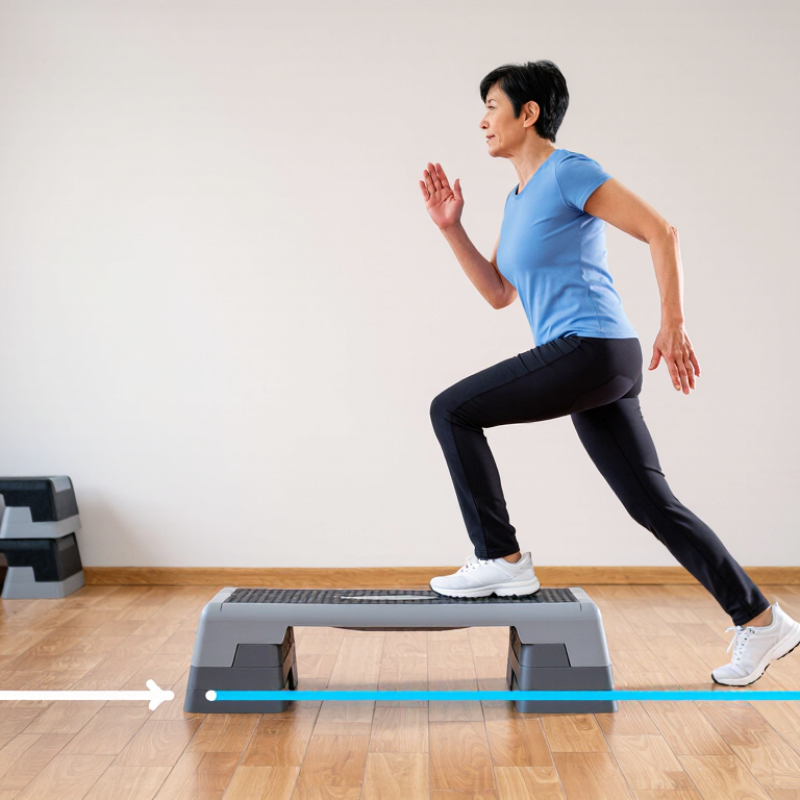
Balance practice starts with a lower step, not a higher challenge. Beginners should try 2 to 4 inches first. Both feet must land fully without reaching or twisting. Increase height only when stepping feels controlled.
The CDC reports that more than one in four adults aged 65 and older falls each year. That statistic makes simple setup choices important.
Place the step on a firm, non-slip floor. Keep loose rugs, cables, and furniture away from the practice area. Leave clear space around every side. A stable wall or countertop can provide light support, but do not lean heavily on it. Wear shoes with secure soles. Bare feet may feel natural, yet they can reduce protection if the surface is unfamiliar.
Begin with slow step-ups, then pause for two seconds at the top. Keep your chest lifted and your eyes forward. Ten careful repetitions may be enough. Stop if your knee collapses inward, your ankle wobbles, or breathing becomes strained.
The World Health Organization recorded about 684,000 fatal falls worldwide in 2019, with adults over 60 facing the greatest risk. This is not a reason to avoid movement. It is a reason to respect progression.
My own practical caution is simple: a step that feels too easy may be exactly right today. A higher step is not automatically better.
For dizziness, recent injury, or repeated falls, seek advice from a qualified health professional before training.
Balance training starts before the first step-up. Stand tall with your ribs stacked over your pelvis. Keep your eyes forward, not fixed on your feet. Relax your shoulders and bend your knees slightly. This position helps your body absorb movement instead of reacting stiffly. Place the whole foot on the platform. Your heel should not hang over the edge. Keep your toes pointing forward, unless a qualified professional gives another instruction.
A useful drill is slow stepping without music. Tap one foot onto the center, pause, then return quietly. Keep your knee aligned with your second toe. Do not let it collapse inward. Hold a stable support nearby during early practice. The World Health Organization’s 2020 physical activity guidelines recommend balance-focused activity on three or more days weekly for older adults. That recommendation supports consistent, controlled practice rather than rushed repetitions.
The Centers for Disease Control and Prevention reports that over 3 million older adults receive emergency treatment for fall injuries annually in the United States. A step cannot remove every risk. Poor lighting, fatigue, and unstable footwear still matter. In coaching practice, speed often looks impressive but hides weak foot control. I sometimes notice clients lifting their heels too early. That mistake is easy to miss. Record a short side-view video and check whether your hips stay level. If they do not, lower the platform and slow down.
Balance improves through controlled repetition, not rushed movement. Begin with a low aerobic step on a firm, uncluttered floor. Stand tall, place one foot on the platform, and bring the other foot beside it. Step down slowly, then repeat on the opposite side. Keep your eyes forward and your knees softly bent.
Keep it quiet.
A basic up-up, down-down pattern helps you notice weight shifts. Try six to eight repetitions, then rest. Hold a wall lightly if needed, but avoid pulling yourself upward. Your supporting foot should feel active, with pressure spread across the heel and forefoot.
My early mistake was choosing a step that felt challenging too soon. Height changed my posture and made each landing unstable. Lower was better.
Progress by adding a knee lift after stepping up, only when your feet remain controlled. You can also practice a side step, touching the platform before returning to the floor. Move slowly enough to correct your alignment.
If your ankle rolls, your knee collapses inward, or your breathing becomes strained, pause and reduce the difficulty. Pain, dizziness, or unusual weakness deserves professional medical advice.
A qualified fitness professional can check your technique and suggest suitable progressions, especially after injury or during recovery.
I still lose focus when tired, so shorter practice sessions often work better than forcing extra repetitions.
Controlled aerobic movements can turn a simple step into a practical balance tool. The goal is not speed. It is steady control while your body shifts weight.
Begin with the step on a flat, non-slip surface. Stand tall, keep your ribs relaxed, and place one foot near the center. Step up slowly, then lower with equal control. Let your eyes focus on a fixed point. This can reduce unnecessary head movement. Add gentle knee lifts, side steps, or backward taps when basic stepping feels stable. Keep the step low at first. A higher platform may create more challenge, but it can also encourage poor alignment.
Tips: Use a slow count of two up and two down. Keep your knees facing forward. Practice near a wall or sturdy support. Stop if you feel sharp pain, dizziness, or unusual weakness. Barely touching the wall is better than gripping it tightly.
I have noticed that fatigue changes balance quickly, even during familiar movements. Therefore, shorter rounds may be more useful than pushing through mistakes. Try three rounds of 30 seconds, resting between them. Your ankles and hips should make small adjustments. Do not freeze them. If you wobble, pause, reset your feet, and reduce the movement range. Progress is sometimes quieter than expected.
An aerobic step can turn simple movement into a measurable balance practice. Begin with the lowest height, stable shoes, and a clear floor. Record your starting level: 30 seconds of step-ups, side taps, or single-leg standing. Note repetitions, hand support, wobbling, and perceived effort. The CDC reports that one in four adults aged 65 and older falls each year, so control matters more than speed. Stop if your knee collapses, your ankle rolls, or dizziness appears.
Increase only one variable at a time. Add two repetitions, five seconds, or a small height change, but not all three. Keep effort around 5 or 6 on a 10-point scale. The World Health Organization recommends balance-focused, multicomponent activity at least three days weekly for older adults. That supports steady practice, not rushed progression. My own useful reminder is simple: earn the next level. If you need the wall repeatedly, return to the previous setting and test again after 48 hours. Record weekly results, including recovery time and confidence. Some days will look worse. That is information, not failure. A qualified exercise professional should assess persistent pain, frequent loss of balance, or medical concerns before progression.
Track Progress and Increase Difficulty Safely
This illustrative six-week tracking example uses average single-leg stance time as a balance measure. Progress gradually by changing only one factor at a time, such as step height, movement complexity, or training duration. Practice near a stable support, use controlled movements, and stop if pain, dizziness, or loss of control occurs.