Why Does Exercise Step Height Matter for Your Fitness Goals?
When it comes to fitness, many people overlook a crucial aspect: Exercise Step Height. This seemingly minor detail can significantly impact your workout effectiveness. Adjusting step height can influence your training intensity, resulting in better performance and faster progress.
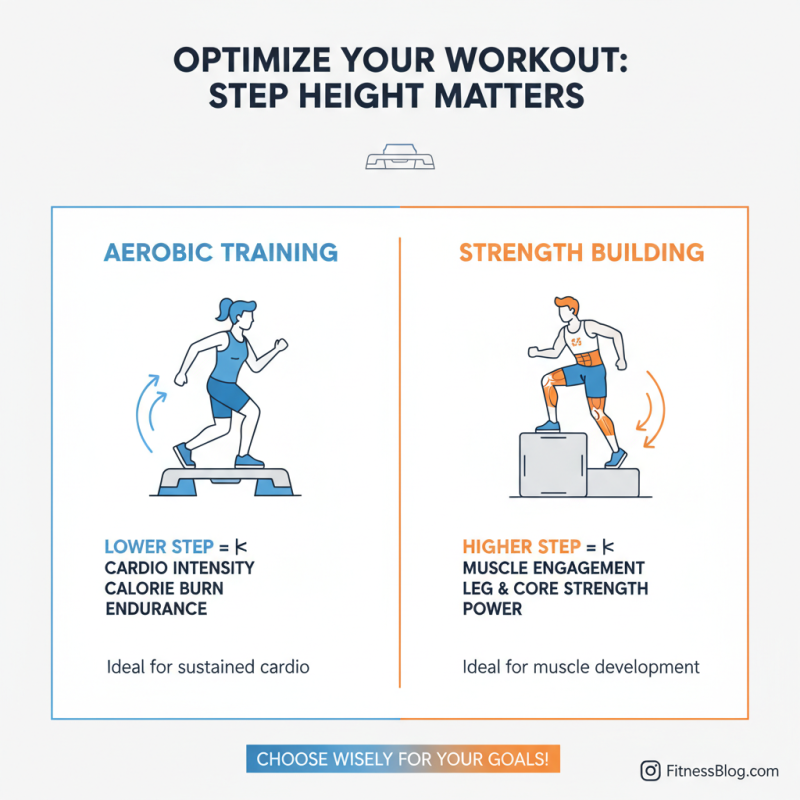
Different step heights engage your muscles uniquely. A higher step forces your legs to exert more effort, targeting specific muscle groups more intensely. Conversely, a lower step might be easier but provides a different challenge. Understanding these nuances can help you align your workouts with your fitness goals.
It's important to reflect on your current approach. Are you using the right step height for your objectives? Many fitness enthusiasts may lack the awareness to adjust their step height. This gap can hinder progress and lead to frustration. Tailoring this element of your workout could be the key to unlocking your full potential. Embrace the challenge of refining your technique for optimal results.
Understanding Exercise Step Height and Its Impact on Fitness
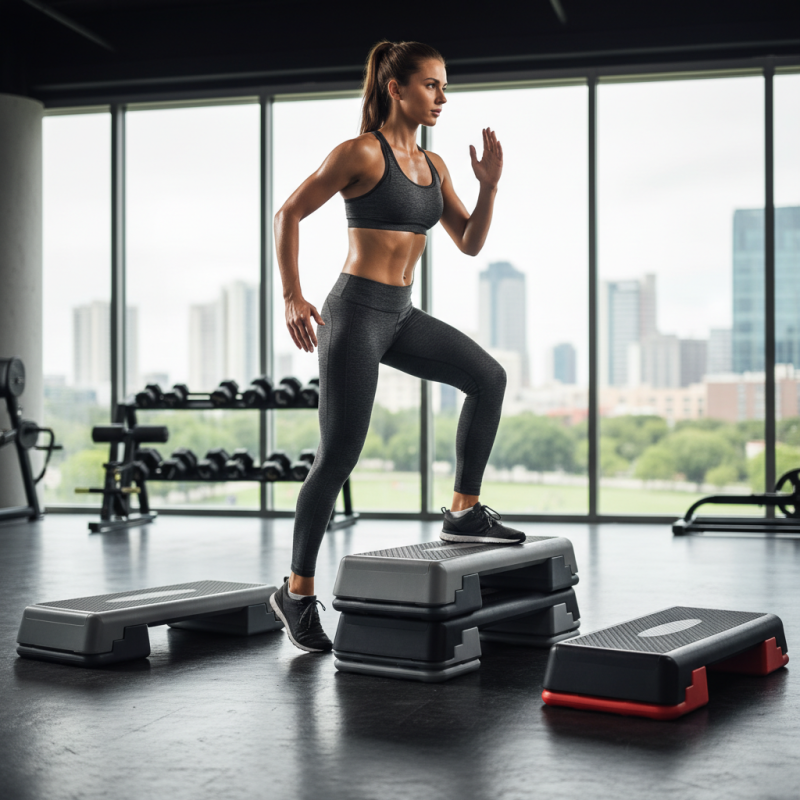
The height of your exercise step can significantly influence your fitness journey. Different step heights can target various muscle groups. A low step may engage your thighs and glutes gently. In contrast, a high step challenges your coordination and balance more rigorously. This variation can stimulate different benefits, from improved strength to enhanced cardiovascular endurance.
Choosing the right step height depends on your individual fitness goals. If you aim for muscle building, a higher step height might be beneficial. However, it can feel intimidating and overwhelming at times. Starting with a height that feels comfortable is smart. This allows your body to adapt before progressing. Occasionally, you'll find yourself pushing too hard, leading to strain. It’s crucial to recognize when to ease up and rethink your approach.
Many overlook the importance of proper form when stepping up. Sloppy movements can lead to injuries. It’s tempting to prioritize height over technique, but this leads to bad habits. Aim for controlled motions rather than rushing through reps. Reflecting on your performance regularly can enhance your routine. Finding that sweet spot in step height will support your overall fitness goals.
The Science Behind Step Height in Aerobic and Strength Training
When it comes to fitness, step height plays a crucial role in both aerobic and strength training. Choosing the right height can impact your workout intensity and effectiveness. For instance, a higher step requires more muscle engagement. This means you're not just burning calories; you're also building strength in your legs and core.
It's interesting to consider how different heights can challenge our bodies in unique ways. A lower step might feel comfortable, but it could limit your potential gains. Conversely, a step that is too high may lead to improper form or injury. Throughout your journey, it's essential to experiment. Find that perfect height that stimulates your muscles but doesn't compromise safety.
Listening to your body is key. Some days, you might feel strong and ready to push limits. Other days may call for a lower step to focus on form or recovery. This trial and error fosters growth. Don't hesitate to adjust step heights based on your energy levels and goals. Reflecting on your experiences will help you forge a path that aligns with your fitness aspirations.
How to Determine the Right Step Height for Your Fitness Level
Choosing the right step height is crucial for effective workouts. It can determine how challenging your fitness routine will be. A step that is too high can lead to strain or injury. Conversely, a low step may not give you the workout intensity you need. Listening to your body during exercises is essential.
To find your ideal step height, start with your current fitness level. If you are new to fitness, consider a lower height. This provides stability while you build strength. You might feel frustrated at times, but progress takes time. Don’t be disheartened if you stumble initially.
For those with more experience, a higher step can enhance your intensity. It can elevate your heart rate and boost muscle engagement. However, pushing too hard can lead to setbacks. Reflect on your form and comfort level. Often, small adjustments can lead to big improvements. Try different heights to see what feels best.
Benefits of Adjusting Step Height for Specific Fitness Goals
Adjusting step height during workouts can significantly impact your fitness outcomes. A lower step height is great for beginners. It can help build stability and confidence. If you are recovering from an injury, this approach allows for safer movements. Moving at a comfortable pace helps you focus on form rather than speed.
On the other hand, a higher step height can enhance strength and endurance. It demands more from your leg muscles. You might feel the burn in your quads and glutes. This can lead to improved cardiovascular fitness if done correctly. However, larger steps may not be suitable for everyone. It’s essential to test your limits. Remember, quality over quantity is key. Some people might push too hard, risking injury. Finding balance is crucial.
Experimenting with different step heights can refine your routine. Pay attention to how your body responds. Listen to what it’s telling you. Regular adjustments can keep your workouts fresh. They also allow you to align your training with specific fitness goals. Over time, this practice might lead to breakthroughs in your performance.
Common Mistakes to Avoid When Choosing Step Height for Workouts
Choosing the right step height is crucial for effective workouts. Many people underestimate its impact. A study from the American Council on Exercise indicates that varying step heights can enhance calorie burn by up to 30%. However, not everyone knows how to select the appropriate height for their fitness level.
One common mistake is opting for a step that’s too high. This can lead to improper form and increase the risk of injury. A lower step might seem easier, but it may not provide enough intensity. Individuals often feel comfortable with what they know. Yet, pushing beyond comfort zones is essential. Mixing it up ensures muscles are consistently challenged.
Another pitfall is ignoring body feedback. If your knees or back hurt, it might be time to reassess. Listening to your body can prevent long-term issues. Remember, fitness isn't just about working hard; it's about working smart. Adjustments may be necessary as you progress. Make sure your step height aligns with your goals. Finding that sweet spot can transform your fitness journey.
Why Does Exercise Step Height Matter for Your Fitness Goals? - Common Mistakes to Avoid When Choosing Step Height for Workouts
| Step Height (inches) |
Fitness Level |
Recommended Use |
Common Mistakes |
| 4 |
Beginner |
Light cardio and basic step exercises |
Choosing too high a step for initial workouts |
| 6 |
Intermediate |
General fitness and aerobic workouts |
Overestimating abilities and risking injury |
| 8 |
Advanced |
Intense training and professional workouts |
Neglecting proper form due to increased intensity |
| 10 |
Expert |
High-impact workouts and agility training |
Avoiding warm-ups leading to injury |