How to Buy a Mini Pedal Exerciser in 2026?

Buying a Mini Pedal Exerciser in 2026 takes more than comparing prices. The right model should fit your space, movement needs, and daily routine. It should also feel stable under your feet or hands. Small details matter: pedal resistance, frame weight, display readability, and how easily the unit slides beneath a desk.

The World Health Organization’s 2020 physical activity guidelines report that one in four adults worldwide does not meet recommended activity levels. The guidelines also stress that any amount of activity is better than none. WHO physical activity lead Dr. Fiona Bull has used the concise message, “Every move counts.” That idea helps explain the appeal of a compact pedal device: it may make short movement breaks easier to add to a sedentary day. But it is not a substitute for broader exercise or individualized medical advice.

Evidence needs careful reading. Research on stationary cycling and physical activity is not automatically proof that every mini pedal exerciser delivers the same benefits. Product designs, resistance ranges, and testing methods vary. A polished display cannot prove smooth motion, and a low price does not guarantee a durable frame. Before buying, check the manufacturer’s specifications, warranty, return policy, and independent testing where available. Consider where you will use it: beside a chair, beneath a desk, or on a tabletop for arm exercise. A practical choice may be less exciting than a feature-packed one. That is worth questioning. This guide explains what to compare, which claims deserve scrutiny, and how to choose a Mini Pedal Exerciser that suits your real routine.
How to Buy a Mini Pedal Exerciser in 2026?

Identify Your Exercise Goals and Space Requirements

Before shopping, decide what you want the mini pedal exerciser to do. A few gentle minutes between meetings calls for different features than longer daily sessions. If your goal is steady, low-impact movement, check whether resistance adjusts smoothly and the pedals feel comfortable at your usual pace. Short sessions count. If you are using it as part of rehabilitation or managing a health condition, ask a qualified health professional what level of activity is appropriate.

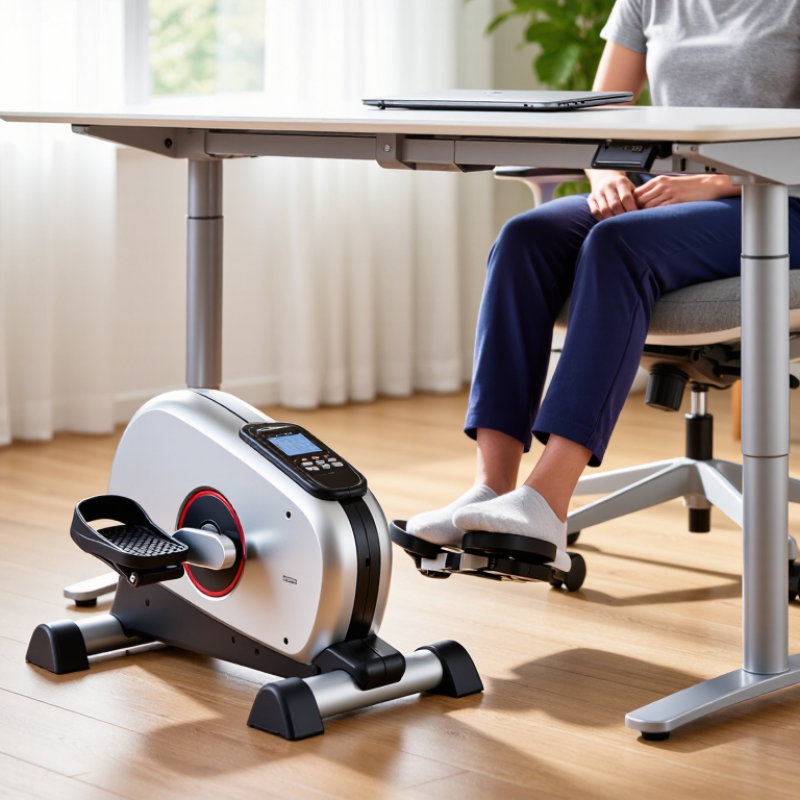
Measure the space where you will actually use it, not just the space where you plan to store it. Check the floor area, chair height, and room for your knees to move without hitting a desk. A compact frame can still feel awkward under a low table. Sit in your regular chair and mimic the pedaling motion before choosing. Do your knees clear? Also consider whether the unit is easy to carry and stable on your floor surface. It is easy to overestimate how much room you have; that estimate may be wrong. A quick tape-measure check can prevent a frustrating fit.

Compare Mini Pedal Exerciser Types and Resistance Systems

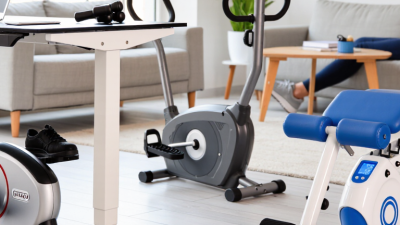
Mini pedal exercisers come in compact fixed-frame, folding, and wider-base designs. Fixed models are simple to place under a desk, but check the pedal height against your chair and tabletop. Folding frames save storage space. Inspect the hinges and locking feet; a loose joint can make pedaling feel uneven. Wider bases may feel steadier on smooth floors. Check the fit first.

Resistance systems change the feel more than the frame does. Many compact units use a tension knob that presses a friction mechanism against the flywheel. It is straightforward to adjust, though higher settings may feel less smooth or create more noise. Magnetic resistance uses magnets to change pedaling effort without direct contact. It often feels quieter and more consistent, but the unit may cost more. Quiet matters in a shared room.

Try to compare pedal motion, not just the number of resistance levels. A dial with many settings is not useful if the lowest setting already feels too hard. If possible, pedal for several minutes and notice whether the unit creeps across the floor. Check the weight limit, dimensions, and return policy in the product details. One small caveat: resistance labels are not standardized, so “level five” varies between models.

Evaluate Adjustability, Stability, Display, and Build Quality

How to Buy a Mini Pedal Exerciser in 2026?

Evaluate Adjustability, Stability, Display, and Build Quality

A mini pedal exerciser should fit your body and your space, not just your budget. Check whether the resistance changes smoothly and whether the pedals suit your stride. A compact frame can still wobble on a hard floor. Look for broad feet, grippy pads, and a frame that stays put during steady pedaling. The World Health Organization’s 2022 physical activity fact sheet reports that 31% of adults worldwide do not meet recommended activity levels. A pedal exerciser can make movement more accessible, but it is not a substitute for medical advice or a complete fitness routine.

Test the display before buying, if possible. Large, high-contrast numbers are easier to read from a chair; useful basics include time, revolutions, and estimated calories. Treat calorie estimates as rough guides, not measurements. Inspect joints, pedal straps, and resistance controls for loose parts or thin plastic. I once underestimated floor grip. A small slip can become annoying fast. Also consider whether the device is light enough to move, yet heavy enough to remain stable.

Tips: Place it on a nonslip mat, then pedal gently for one minute. Check for rocking, scraping, or strap pressure. If resistance feels uneven, or the display resets when you move the unit, reconsider the purchase. Keep the manual and check the frame and moving parts periodically.

How to Buy a Mini Pedal Exerciser in 2026

A practical comparison checklist for adjustability, stability, display, and build quality. Scores are illustrative evaluation ratings, not product test results or market data.

Use the ratings as a starting point: check resistance controls, pedal grip and frame movement, display readability, and the sturdiness of the materials and joints before buying.

Check Safety, Comfort, Warranty, and Return Policies

How to Buy a Mini Pedal Exerciser in 2026?

A compact pedal exerciser can fit beside a desk, but a small frame still needs to feel stable. Check the maximum user weight and whether the base has non-slip feet. Set it on a hard, level floor and pedal gently; if it shifts, look for a wider base or better grip. Short sessions are useful. They should not feel precarious. If you have balance, joint, or circulation concerns, ask a qualified health professional whether this type of exercise suits you.

Comfort matters during ordinary use, not just during a quick shop-floor test. Check whether the straps adjust easily and whether the pedals fit your shoes. If possible, sit in your usual chair and try a few slow turns. Knees should move without knocking the desk, and resistance should increase smoothly. I would not assume that more resistance is always better; an awkward fit can make even light pedaling unpleasant.

Tips: Read the warranty for coverage length, excluded parts, and who pays return shipping. Save the receipt and packaging until you know the unit works. Check the return window, restocking fees, and whether used equipment can be returned. Policies can differ, so keep a copy of the exact terms shown at checkout. A short warranty is not automatically a deal-breaker, but unclear coverage deserves a second look.

Compare Prices and Choose a Model That Fits Your Needs

When comparing mini pedal exercisers in 2026, compare the complete price, not just the number on the product page. Check whether shipping, batteries, a display, or a floor mat add cost. Then compare resistance settings, pedal straps, weight, and the space needed under your desk. A compact model may fit beside a sofa, but a light frame can slide on a smooth floor. Read recent buyer feedback for specific complaints, such as wobbling or stiff adjustment knobs. Those details matter more than a long feature list.

Match the model to how you will use it. For gentle seated movement, prioritize stable feet, smooth rotation, and easy resistance changes. If you plan to pedal while working, check its height against your desk and test whether your knees have room. The World Health Organization’s 2020 physical activity guidelines recommend 150–300 minutes of moderate aerobic activity per week for adults. A pedal device can support movement, but it does not guarantee that every session reaches moderate intensity. That distinction is easy to overlook. Set a budget, compare two or three models at similar prices, and favor clear assembly and warranty terms over flashy extras. I would not assume the cheapest option is a bargain; sometimes it is, sometimes it isn’t.