The Best Balance From Aerobic Step for Your Fitness Journey?
Engaging in fitness routines is more essential than ever. The pandemic has highlighted the importance of physical health. According to the World Health Organization, inadequate physical activity leads to an estimated 3.2 million deaths annually. Incorporating effective tools like "Balance From Aerobic Step" can make a significant difference in your workout journey.
Research from the American Council on Exercise indicates that aerobic step workouts can improve cardiovascular health. They also enhance coordination and balance, making them an excellent choice for all fitness levels. These workouts can be adjusted easily for intensity. Despite this, many people may overlook their effectiveness.
Using the Balance From Aerobic Step allows for a versatile approach to exercise. Many struggle with consistency in their fitness journey. This tool provides an accessible way to engage different muscle groups, offering variety. Yet, it also requires self-awareness to avoid injuries. Understanding when to push limits and when to rest is crucial. Reflecting on personal progress can lead to a more sustainable fitness routine.

Understanding Aerobic Step and Its Benefits for Fitness
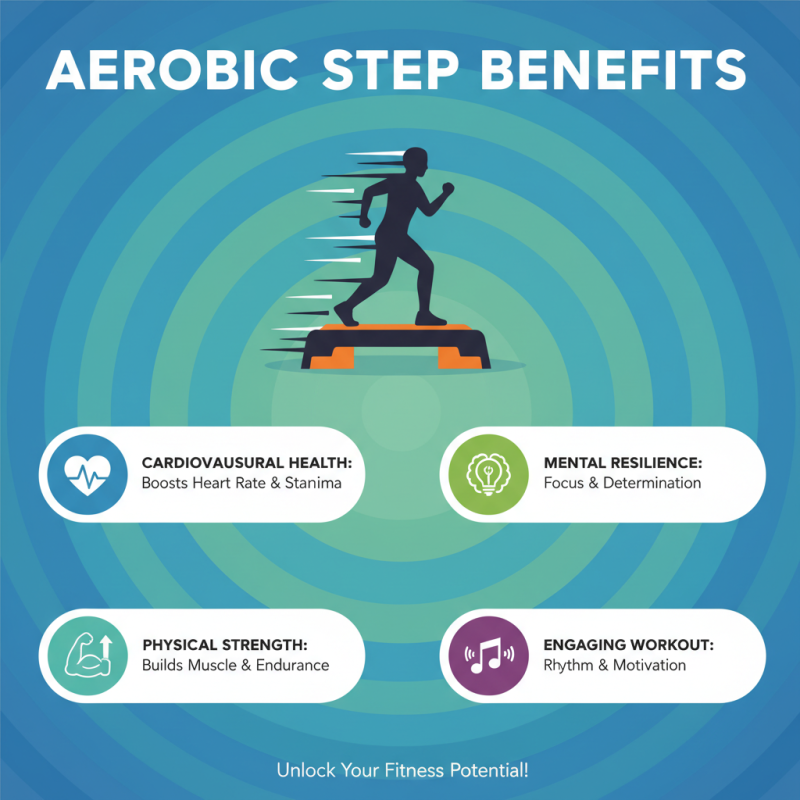
Aerobic step is a versatile tool in fitness that many overlook. It is more than just a platform; it's a pathway to enhanced cardiovascular health. Step workouts can improve your heart rate and overall stamina. Engaging with this method builds not only physical strength but also mental resilience. Participants often find themselves immersed in the rhythm of the music, pushing through fatigue.
Many people experience a learning curve when using aerobic steps. Balance and coordination take time to master. Initially, some might feel awkward or unsteady. This feeling is valid and common among beginners. The beauty lies in the gradual improvement. With consistency, movements become second nature. Users can adjust step heights based on comfort and skill level, offering a personalized experience.
Moreover, aerobic step workouts provide a unique social atmosphere. Group classes foster community and motivation. Yet, individual progress can vary widely. It's essential to focus on personal goals rather than comparisons. Acknowledging one's journey in fitness is crucial. Each session contributes to a more profound transformation, physically and mentally. Embracing discomfort can lead to growth and achievement.
Choosing the Right Aerobic Step: Size and Features
When selecting the right aerobic step, size and features play a crucial role. The step's height can significantly impact your workout. Research shows that a step height of 6 to 8 inches suits most users. Taller individuals may prefer 10-inch steps, as they engage more muscle groups. Proper height ensures effective calorie burn and minimizes injury risk.
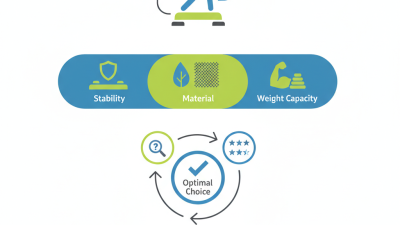
Consider the material and grip of the aerobic step. A sturdy, non-slip surface is essential for safety. Steps made from high-density polyethylene can withstand regular use and provide durability. A report from the American Council on Exercise highlights that a non-slip surface can reduce accidents by 30%. Always check for adjustable height options to customize according to your fitness level.
**Tips:** Test the step for comfort before purchase. Your workout experience should feel secure. A step that wobbles or feels unstable could lead to potential injuries.
Another valuable feature to consider is the weight capacity. Steps typically support between 250 to 400 pounds. Ensure that the step you choose can accommodate all intended users. This detail might seem minor but can greatly affect workout consistency and safety. If unsure, consult user reviews or fitness professionals for insights.
Incorporating Aerobic Step into Your Workout Routine
Incorporating aerobic step into your workout routine can significantly enhance your cardiovascular health. Research shows that engaging in aerobic exercises can reduce the risk of heart disease by approximately 30-40%. The rhythmic motion of stepping engages multiple muscle groups, creating an effective workout for weight loss and muscle toning.
Aerobic step workouts can be easily adjusted to suit different fitness levels. Beginners may start with a lower step height. This allows them to focus on form. As strength improves, increasing the step height adds intensity. According to a study published in the Journal of Sports Medicine, participants using aerobic step reported a 25% increase in overall endurance after 8 weeks of consistent training.
Adding variety is essential to prevent plateauing. Incorporate different routines—like variations of lunges, squats, or turns—during your aerobic step sessions. This not only keeps workouts exciting but also challenges your body in new ways. However, it’s important to listen to your body. Overtraining can lead to injuries. It’s okay to take rest days and reflect on what works for your fitness journey.
The Best Balance From Aerobic Step for Your Fitness Journey
This chart illustrates the average calories burned during various aerobic step workouts over a 30-minute session, showcasing the effectiveness of each type of workout.
Tips for Maximizing Results with Aerobic Step Exercises
Aerobic step exercises are an excellent addition to your fitness journey. They enhance cardiovascular health and improve endurance. You can make the most of these workouts by following some effective tips.
To maximize your results, focus on your form. Proper technique helps prevent injuries and maximizes efficiency. Ensure you maintain a straight posture and engage your core. This will allow you to work the right muscles. Consider starting with a lower step height and gradually increasing it as your confidence builds.
Mixing up your routine keeps things exciting. Add variations like side steps or stair climbs. This not only challenges your body but also helps prevent plateauing. Remember to listen to your body. If something feels uncomfortable, adjust accordingly.
For those looking to push further, incorporating light weights can enhance strength training. But start slowly, only add weight when you're comfortable with the movements.
Common Mistakes to Avoid When Using an Aerobic Step
Using an aerobic step can enhance your fitness journey, but many people make common mistakes. One critical error is improper form. According to fitness experts, maintaining correct posture helps prevent injuries. A report from the National Institute for Health states that injuries related to improper technique can be as high as 30% in group workout settings.
Another frequent issue is the choice of step height. Beginners often use a step that is too high, leading to strain. A study by the American College of Sports Medicine indicates that using an appropriate height can significantly improve workout effectiveness and reduce the risk of injury. It’s crucial to start with a lower height and assess your comfort level.
Many also neglect to warm up adequately before stepping. This oversight can increase the chance of muscle strain. Research shows that a proper warm-up enhances performance by up to 20%. Without it, your body may not be ready for the intensity, leading to fatigue or injury sooner. Focusing on these aspects can make your workout safer and more effective.