Total Body Workout Weighted Bar Benefits and Tips for Beginners?
The Total Body Workout Weighted Bar has garnered significant attention in the fitness industry. According to a survey conducted by the American College of Sports Medicine, functional training tools like weighted bars are among the top ten exercise trends. These tools promote strength, endurance, and stability, essential for overall fitness.
Incorporating a Total Body Workout Weighted Bar can amplify your workout routines. A study from the Journal of Strength and Conditioning Research disclosed that training with weighted bars enhances muscle activation. This leads to greater gains in strength and balance compared to traditional exercises. Such details emphasize the effectiveness of this versatile tool.
However, beginners often struggle with form and technique. This leads to frustration and potential injury. Awareness of proper techniques is crucial for maximizing benefits. Before you embark on your journey, it's vital to address these common pitfalls and embrace a learning mindset. With proper guidance, the Total Body Workout Weighted Bar can transform your fitness experience.

Total Body Workout: Understanding the Weighted Bar Concept
The weighted bar is an excellent tool for full-body workouts. It offers an effective way to build strength and endurance. Using a weighted bar improves your overall fitness through multi-muscle exercises. You engage various muscle groups with every lift and movement. This not only enhances muscle tone but also boosts coordination.
Beginners may find the weighted bar intimidating at first, but it can be quite user-friendly. Start with lighter weights to focus on form. This allows for a better understanding of movement mechanics. Weight distribution matters. Uneven weight can lead to improper techniques or strains. Recording your progress helps in noticing improvements.
Consider varying your workout routine with the bar. You can perform squats, overhead presses, or deadlifts. Each exercise impacts different areas of your body. However, mastering one movement before advancing is key. Reflect on your technique and listen to your body. This awareness ensures a balanced fitness journey.
Key Benefits of Using a Weighted Bar for Total Body Workouts
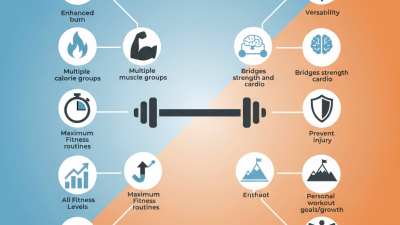
Using a weighted bar for total body workouts offers several key benefits. This versatile tool engages multiple muscle groups in one session. With its design, it provides balance while adding resistance. Users can perform various exercises that improve strength, stability, and coordination.
One significant advantage is enhanced core activation. Holding a weighted bar requires core muscles to stabilize throughout each movement. Exercises like squats and lunges become more effective when performed with this equipment. By integrating a weighted bar, you can achieve faster results in muscle toning and endurance.
When starting, it's crucial to focus on form over weight. Using too much resistance can lead to poor technique. Begin with lighter weights to master each movement. Gradually increase the load as you build confidence. Incorporating a warm-up before workouts can prevent injuries. Lastly, listening to your body is essential. If something feels off, don’t hesitate to adjust your routine.
Total Body Workout Weighted Bar Benefits
The chart above illustrates the benefits of using a weighted bar for total body workouts. Each bar represents a score from 1 to 10 based on common user feedback regarding the effectiveness of weighted bars in enhancing strength, endurance, flexibility, coordination, and calorie burn during workouts.
Essential Tips for Beginners: Getting Started with a Weighted Bar
Getting started with a weighted bar can be an exciting journey for beginners. Weighted bars can enhance your fitness routine by adding resistance, which engages more muscles. According to a study published in the Journal of Strength and Conditioning Research, incorporating weighted training can increase overall strength by 35% over six months.
When using a weighted bar, maintaining proper form is crucial. Keep your back straight and engage your core during exercises. This helps prevent injuries and ensures effective workouts. Start with lighter weights to master your technique. Gradually increase the weight as you become more comfortable. It's essential to listen to your body. If something feels wrong, adjust your form or take breaks as needed.
Incorporate exercises focusing on major muscle groups. Squats, lunges, and overhead presses are great options. Aim for 2-3 sets of 8-12 repetitions. Many beginners struggle with consistency. Creating a workout schedule can help. Consistent practice leads to better results and builds confidence. Stay motivated by tracking your progress and celebrating small achievements along the way.
Effective Weighted Bar Exercises for Full Body Engagement
Weighted bars are excellent tools for full-body engagement. Their versatility allows users to perform various exercises targeting different muscle groups. Research indicates that resistance training can increase muscle strength by 25% to 30% in just a few months. This makes weighted bars a great choice for those seeking effective strength gains.
When using a weighted bar, consider focusing on compound movements like squats, deadlifts, and overhead presses. These exercises involve multiple joints and larger muscle groups, promoting overall strength and coordination. A study from the American College of Sports Medicine highlighted that compound exercises burn more calories compared to isolation movements. This creates an efficient workout in less time.
Many beginners struggle with balance and form. It’s common to feel unsure about weight selection and exercise execution. Starting with lighter weights can build confidence and ensure proper technique. Over time, incrementally increasing the weight allows for sustainable progress without injury. Regularly assessing one’s form is crucial for long-term success in weighted bar workouts.
Total Body Workout Weighted Bar Benefits and Tips for Beginners
| Exercise Name |
Muscle Group Targeted |
Benefits |
Tips for Beginners |
| Weighted Bar Squats |
Legs, Glutes |
Builds strength, Improves balance |
Keep feet shoulder-width apart |
| Overhead Press |
Shoulders, Arms |
Strengthens upper body, Improves posture |
Start with lighter weight to master form |
| Weighted Bar Deadlifts |
Back, Legs |
Builds strength, Engages core |
Maintain straight back during lift |
| Lateral Raises |
Shoulders |
Enhances shoulder definition, Improves stability |
Use a controlled motion, avoid swinging |
| Weighted Bar Crunches |
Abs |
Strengthens core, Improves stability |
Keep movements slow and controlled |
Safety Precautions and Common Mistakes to Avoid with Weighted Bars
Weighted bars are a fantastic tool for a total body workout, but safety should come first. Common mistakes can lead to injury. One frequent issue is improper grip. A secure grip ensures better control and reduces the risk of dropping the bar. This is often overlooked, yet it is critical for your safety.
Another area to watch out for is the choice of weight. Beginners tend to overestimate their strength. Starting with a lighter weight is crucial for learning proper form. According to the American College of Sports Medicine, 60% of workout injuries stem from using inappropriate weights. This statistic shows the importance of listening to your body and progressing gradually.
Positioning is equally important. Poor posture during exercises can strain your back and joints. Ensure feet are shoulder-width apart and knees are slightly bent for stability. Maintaining a straight back helps prevent injuries. Coaches often recommend using mirrors for self-assessment, but many beginners skip this step. Reflecting on your form can enhance your practice. Aim for awareness over speed in workouts. Focus on quality over quantity for lasting results.