How to Master Square Step Technique for Dance and Fitness?
Mastering the Square Step technique is essential in both dance and fitness. This method is vital for performers and enthusiasts alike. According to the American Council on Exercise, effective footwork can improve overall coordination and balance. These skills are crucial for various dance styles and fitness routines.
The Square Step draws from fundamental movements that enhance agility. Research indicates that dancers who employ precise footwork exhibit a 30% increase in performance quality. It helps in establishing rhythm and flow, allowing for more dynamic presentations. However, mastering the Square Step requires patience and practice. Mistakes are common during the learning process. Many struggle with timing and spatial awareness, highlighting the need for continuous reflection and improvement.
Moreover, while the Square Step seems simple, it poses challenges for many. Dancers often face self-doubt and frustration as they train. Recognizing these hurdles is essential for growth. Ultimately, embracing the imperfections can foster resilience in both dance and fitness practices.
Understanding the Basics of Square Step Technique in Dance and Fitness
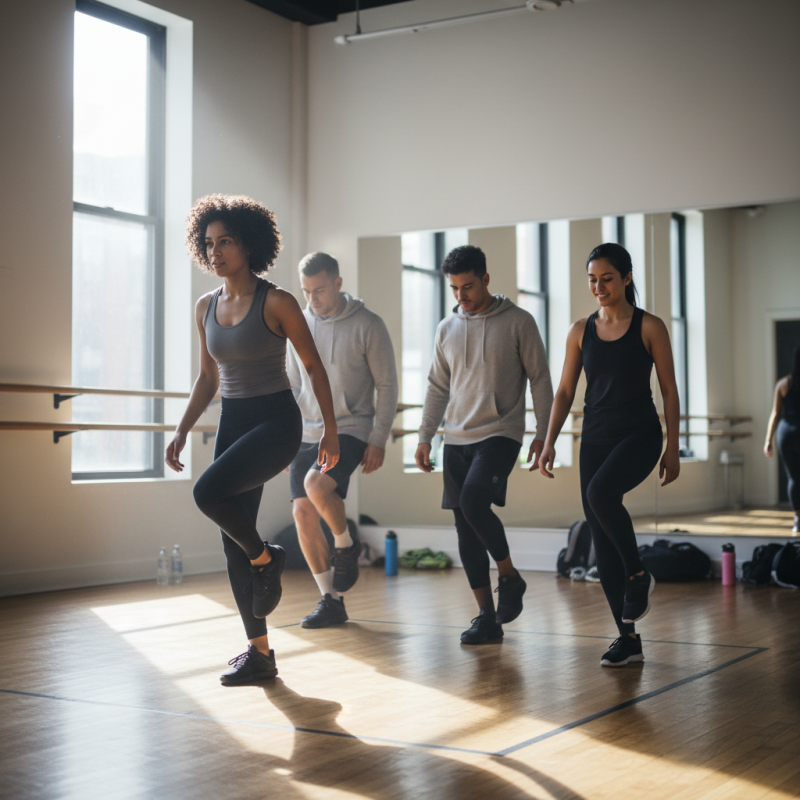
The square step technique is essential in both dance and fitness. It involves a pattern where you step forward, side, back, and side again. This motion may seem simple, but mastering it takes time. Many beginners struggle to maintain rhythm while executing this pattern. Often, they rush through it, which can lead to mistakes.
Practicing in front of a mirror can help. You can observe your foot placement and alignment. It’s crucial to keep your movements controlled. The flow should feel smooth, not jerky. A common mistake is to focus too much on speed rather than precision. This approach often results in poor coordination and potential injuries. Embracing the challenge is part of the learning process.
Another tip: break it down into smaller parts. Focus on one direction at a time before combining them. The square step is repetitive, yet it builds strength and endurance. Some days, you'll feel graceful; other days, you might trip over your own feet. It's okay. Reflect on those moments. Each misstep teaches you something valuable and helps refine your technique.
Key Benefits of Mastering the Square Step Technique for Performance
The square step technique is a vital skill for dancers and fitness enthusiasts alike. Mastering this technique enhances coordination and balance. It also improves body awareness, which is crucial for executing complex movements. When dancers control their footwork, they elevate their performance. The square step adds a layer of precision, making each routine more engaging.
Beyond coordination, the square step technique helps build strength in the lower body. This movement engages various muscles, enhancing endurance and stability. Regular practice, however, reveals challenges. Beginners may struggle with timing and rhythm. It’s common to feel unsteady initially, which can be frustrating. Consistent practice is key to overcoming these hurdles.
Another key benefit is that mastering the square step boosts confidence. As performers gain proficiency, they feel more empowered on stage. The ability to execute this technique opens doors to more advanced choreography. However, there might be mistakes along the way. Sometimes, steps feel awkward or lack fluidity. Embracing these imperfections can lead to growth and better performance.
How to Master Square Step Technique for Dance and Fitness? - Key Benefits of Mastering the Square Step Technique for Performance
| Aspect |
Description |
Benefits |
| Technique |
A rhythmic movement pattern involving a series of side-to-side steps. |
Enhances coordination and timing. |
| Cardiovascular Fitness |
Improves heart and lung function through increased activity levels. |
Boosts endurance and overall physical fitness. |
| Muscle Engagement |
Works multiple muscle groups including legs, core, and arms. |
Strengthens and tones muscles effectively. |
| Mental Focus |
Requires concentration to maintain rhythm and foot placement. |
Enhances cognitive function and mental agility. |
| Flexibility |
Promotes range of motion in joints and muscles during movement. |
Reduces risk of injury and improves overall mobility. |
| Social Interaction |
Often performed in groups or class settings. |
Enhances social bonds and community engagement. |
Step-by-Step Guide to Practicing the Square Step Technique
Mastering the square step technique can elevate your dance and fitness routines. It’s all about rhythm, balance, and precision. Start by standing with feet hip-width apart. Shift your weight to one foot while drawing the other foot in close. This movement needs to be fluid. Focus on how your body reacts. It may feel awkward at first. That's okay; it's part of the learning process.
Practice in front of a mirror. Watch your posture and foot placement. Are your movements sharp and confident? Identify areas for improvement. Try to build speed gradually. Remember, mistakes are a chance to grow. If you stumble, take a breath. Reset and try again. Each attempt builds muscle memory and confidence. Use music with a steady beat to help with timing. This can add fun to your practice.
Progress may be slow, and that's normal. Commit to daily practice, even for a few minutes. Celebrate small victories along the way. If you feel fatigued, take a break and let your body recover. Listen to your instincts. Mastery comes with persistence and a willingness to adapt. Enjoy the journey of improvement, despite the challenges.
Mastering Square Step Technique for Dance and Fitness
This chart illustrates the improvement in agility, balance, and coordination as dancers and fitness enthusiasts practice the Square Step Technique over a period of 12 weeks. The data reflects the percentage of improvement in each category.
Common Mistakes to Avoid When Learning the Square Step Technique
Learning the Square Step technique is exciting, but common mistakes can hinder progress. Many dancers fail to maintain proper body alignment. This misalignment can lead to inefficiency and potential injuries. According to the National Dance Education Organization, 75% of dancers experience some form of injury, highlighting the need for correct technique.
Another frequent mistake involves the foot placement. Dancers often overlook the importance of precise positioning. Poor foot placement alters balance and flow. Studies show that proper foot placement can enhance stability by up to 25%. Inadequate attention to this aspect may result in awkward movements, making it challenging to perform at a higher level.
Overloading routines with too many steps too soon can also be detrimental. Beginners often rush their learning process. This leads to frustration and could result in a lack of confidence. It is vital to slow down and master each element of the Square Step. Reflecting on these challenges is crucial; improvement requires acknowledging areas needing attention and patience to refine skills over time.
Integrating Square Step Technique into Your Routine for Maximum Impact
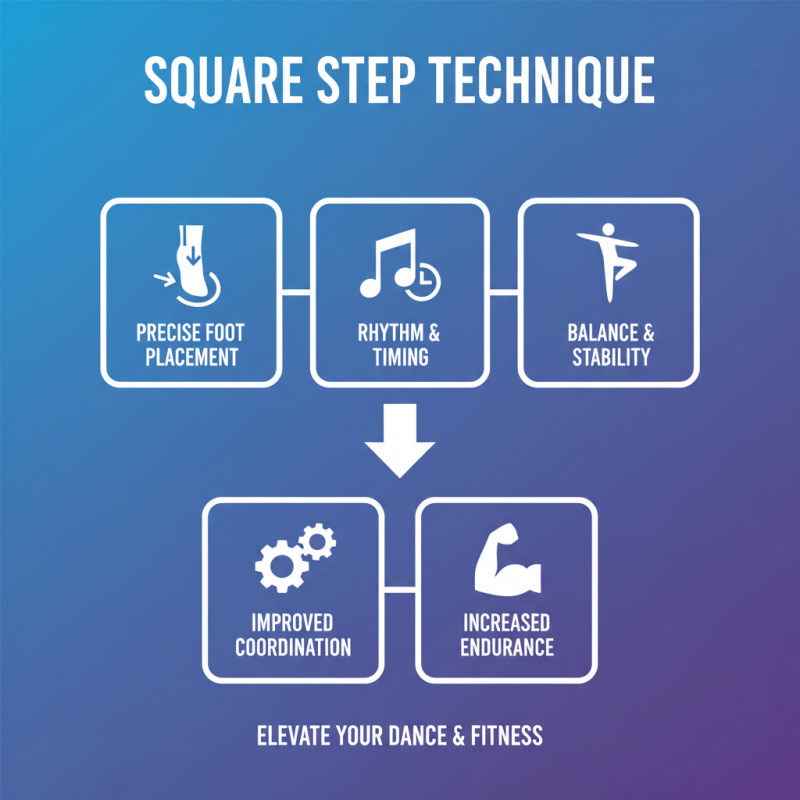
Integrating the Square Step Technique into your dance and fitness routine can elevate your performance. This technique focuses on precise foot placement, rhythm, and balance. You’ll find that mastering these elements can significantly improve both coordination and endurance.
Try starting slow. Begin practicing the square step with simple movements. Focus on your posture. Keep your core engaged. This may feel unfamiliar initially, but it’s crucial for effective execution. Pay attention to each step. Visualize a square on the floor and follow its lines with your feet. This simple visualization can help improve your accuracy.
Tips: Conduct short, focused practice sessions. Ten to fifteen minutes is enough to hone your skills without overwhelming yourself. Also, record your practice. Watching the footage can reveal areas needing improvement. Don't be discouraged by the process; growth comes with time. Reflect on what feels good and what doesn’t. Adjustments can lead to better results, enhancing your overall routine.