Top 10 Best Aerobic Adjustable Steppers for Buyers

Choosing an Aerobic Adjustable Stepper starts with matching its size and height settings to your space, fitness level, and routine. A stable platform can support low-impact cardio, step-ups, and simple balance drills at home. But the best choice is not automatically the model with the most height options. Check the platform’s dimensions, adjustment mechanism, surface grip, and stated weight capacity before buying. A stepper that rocks on a hard floor or feels cramped underfoot may disrupt a workout. Small details matter.

This guide to the Top 10 Best Aerobic Adjustable Steppers for Buyers compares practical features rather than relying on flashy claims. It considers adjustable risers, storage needs, ease of assembly, and how clearly manufacturers explain product specifications. Look for broad, textured stepping surfaces and risers that sit securely in place. Also consider whether the equipment fits your planned movements; a compact step may suit basic routines but limit wider foot placement. Product descriptions cannot predict how every stepper will feel in your home, so review dimensions and return terms carefully. Some trade-offs remain. Choose a height that lets you step with control, and use the equipment on a level, uncluttered surface. The right model should make regular movement easier, not make every session feel like a test.
Top 10 Best Aerobic Adjustable Steppers for Buyers

Define Adjustable Aerobic Steppers: Design, Height Levels, and Workout Use

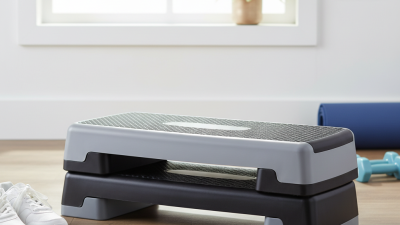
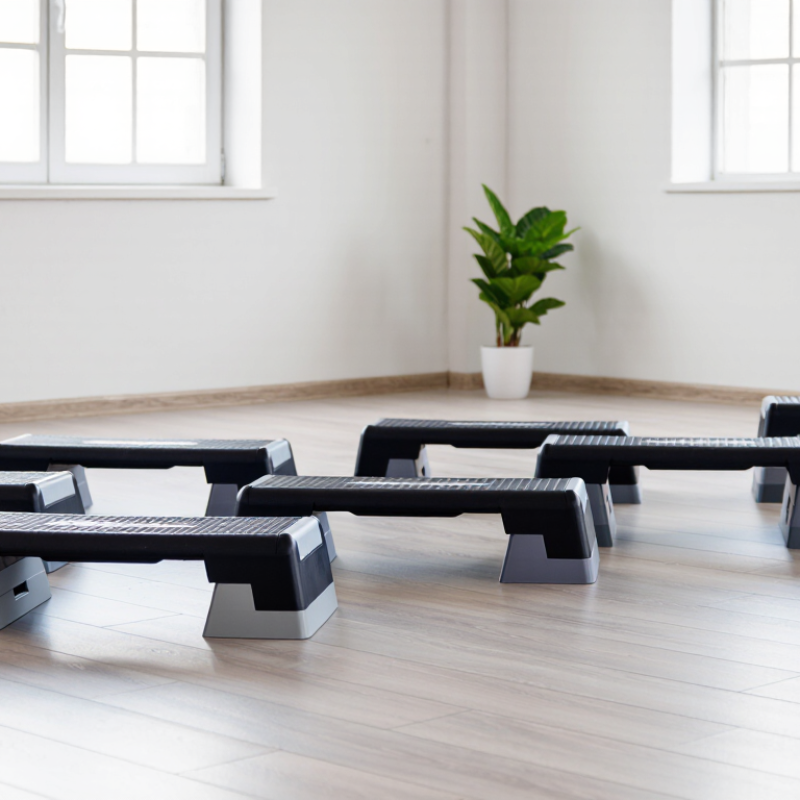
An adjustable aerobic stepper is a firm, non-motorized platform for repeated stepping patterns. Most designs change height with removable risers beneath the deck; settings and locking details vary by model. That variation matters. A taller platform increases the vertical rise and may make each repetition more demanding, but it is not automatically better. Check that the risers sit flush and the platform does not rock on a level floor. Start low.

Workouts range from basic up-and-down stepping to choreographed sequences with knee lifts or side taps. The World Health Organization’s 2020 Guidelines on Physical Activity and Sedentary Behaviour recommend 150–300 minutes of moderate-intensity aerobic activity weekly for adults. Step sessions can contribute when effort reaches moderate intensity: breathing should rise while conversation remains possible. Wear supportive shoes, clear nearby furniture, and control each descent. Height alone does not tell you whether a workout is safe or effective. Choosing a setting takes trial and error; fatigue or rushed foot placement is a cue to lower it.

Compare Buyer Specs: Platform Size, Height Range, Weight Capacity, and Grip

When comparing adjustable aerobic steppers, start with the platform size. A wider surface gives both feet more room during side steps and quick transitions. Check the usable top area, not just the product’s outer dimensions. A few centimeters can change how secure a step feels, especially in trainers with broad soles. Measure your available floor space, too.

Height range affects workout intensity and storage. Some steppers adjust in fixed levels, while others offer fewer settings. Look for the listed height at each setting, rather than relying on vague claims like “multi-level.” A low setting can suit controlled warm-ups; a higher one asks for more effort and balance. Small details matter.

Weight capacity is a safety specification, not a challenge to test. Choose a model rated comfortably above your body weight, and account for movement during exercise. Grip deserves equal attention. Textured platforms can help reduce slipping, but dust and sweat may still affect traction. Wipe the surface before use. Check that risers lock firmly and sit evenly on the floor. Specs do not reveal everything; dimensions may be measured differently across listings, so verify them before buying. I’d compare carefully. Some tables are oddly unclear.

Top 10 Best Aerobic Adjustable Steppers for Buyers

Compare platform size, adjustable height range, maximum user weight, and grip surface across ten unbranded, representative stepper profiles.

How to read this chart: The bars show maximum user weight capacity in pounds. Specifications below are representative examples for comparison; check the current product listing before buying.

Profile Platform (L × W) Height Range Weight Capacity Grip Surface
Profile 127 × 11 in4–6 in250 lbTextured molded top
Profile 228 × 11 in4–6 in275 lbRibbed non-slip top
Profile 331 × 11 in4–8 in300 lbTextured molded top
Profile 432 × 13 in4–8 in330 lbRaised grip pattern
Profile 534 × 12 in4–8 in350 lbRibbed non-slip top
Profile 636 × 14 in4–8 in400 lbTextured molded top
Profile 739 × 14 in4–8 in440 lbRaised grip pattern
Profile 840 × 15 in4–10 in485 lbTextured molded top
Profile 942 × 16 in4–10 in500 lbRibbed non-slip top
Profile 1043 × 16 in4–10 in550 lbRaised grip pattern

Match Stepper Workouts to WHO’s 150–300 Weekly Minutes of Moderate Activity

WHO’s 2020 Guidelines on Physical Activity and Sedentary Behaviour recommend 150–300 minutes of moderate aerobic activity each week for adults. An adjustable stepper can help divide that target into manageable sessions, but the minutes count only when the effort is truly moderate. Use the talk test: you should breathe faster, yet still manage a conversation. A practical starting plan is five 30-minute sessions, with a brief warm-up and cool-down included. New to stepping? Begin with shorter bouts. Build gradually.

The need is real. A 2024 analysis in The Lancet Global Health, reported by WHO, estimated that 31% of adults worldwide did not meet activity recommendations in 2022—about 1.8 billion people. For stepper workouts, select a stable platform with a nonslip surface and height settings that let you maintain controlled, comfortable steps. Raise the platform only when your balance and pace remain steady. Keep a chair or rail nearby if needed. Small details matter.

A simple weekly rhythm might be three 25-minute sessions and three 10-minute sessions, totaling 105 minutes; add time gradually toward 150. Track actual moderate-intensity minutes, not just time spent standing on the machine. I would not assume every step session counts equally; pace, step height, fitness, and recovery change the effort. Some days feel easier. That is worth noticing.

Compare the Top 10 Models by Stability, Adjustability, Durability, and Value

Top 10 Best Aerobic Adjustable Steppers for Buyers

A useful comparison looks beyond the number of height settings. Stability matters during quick step-ups, especially on smooth floors. Check whether each model has broad feet, a firm platform, and secure risers. A slight wobble can become distracting after several minutes. It is easy to overlook.

Adjustability should suit your space and training level. Compare the available platform heights, then consider how easily the risers lock into place. For durability, inspect the platform material, seams, and weight guidance; these details offer more useful clues than appearance alone. Value means getting dependable construction and practical features at a price you can justify. No single model fits every buyer. Room size, balance, and workout intensity all change the choice.

Tips: Place the stepper on a level surface. Test each height before exercising, and listen for shifting or creaking. If possible, compare the platforms in person; product descriptions cannot show how secure they feel underfoot. Also check storage dimensions. Some buyers may prioritize compact storage over a wider platform, though that trade-off deserves a second thought.

Review Safe-Use Features and Maintenance for Long-Term Training

For an adjustable aerobic stepper, safety starts before the first beat. Set it on a dry, level floor, away from rugs and doorways. Press each height-adjustment pin fully into place, then test the platform with gentle pressure. It should not rock. Check that the feet grip the floor and that your shoes have firm soles. Keep enough room around the step for a full, controlled stride. Small checks matter.

Use a height that lets you step up without your knee rising uncomfortably. Keep your whole foot on the platform, and step down quietly rather than jumping. Increase the pace or height gradually; fatigue can make a familiar move sloppy. The World Health Organization’s 2020 physical activity guidelines recommend adults get 150–300 minutes of moderate aerobic activity weekly. The U.S. Physical Activity Guidelines for Americans recommend at least 150 minutes. These are activity targets, not a reason to push through pain.

Before each session, look for cracks, loose pins, worn rubber feet, or a slick surface. Afterward, wipe away sweat and let the stepper dry fully. Follow its manual for cleaning, storage, and any approved lubrication; guessing can damage moving parts. I can still be tempted to skip a quick inspection when I’m in a hurry. That is exactly when a loose setting deserves attention. Keep a simple maintenance note if the stepper sees frequent use.

Top 10 Best Aerobic Adjustable Steppers for Buyers – Review Safe-Use Features and Maintenance for Long-Term Training
Rank Stepper Type Useful Deck Size Typical Height Settings Best Suited For Safe-Use Features to Check Maintenance for Long-Term Use
1 Standard adjustable aerobic step About 27 × 11 in (69 × 28 cm) Commonly 4, 6, and 8 in (10, 15, and 20 cm) General home cardio and step routines Full-width non-slip top, secure riser locks, and a clearly stated user-weight limit Wipe the deck after workouts; inspect risers and locking points regularly.
2 Wide-deck adjustable step About 30–36 × 12–14 in (76–91 × 30–36 cm) Usually 4–8 in (10–20 cm) Users who prefer more foot-placement room Even support across the deck, textured surface, and no flex or rocking on a level floor Check the underside and deck edges for cracks, wear, or loose fittings.
3 Compact adjustable step About 23–25 × 9–11 in (58–64 × 23–28 cm) Often 4 and 6 in (10 and 15 cm) Small workout spaces and basic low-impact sessions Confirm the usable surface suits your shoe size and that the base stays stable during stepping Store flat and dry; remove dust from the feet and riser slots.
4 Low-profile beginner step About 24–27 × 10–12 in (61–69 × 25–30 cm) A fixed low deck or adjustable from about 4 in (10 cm) New users and low-impact choreography Choose a low starting height, a grippy deck, and stable, non-slip floor contact Clean the contact feet so dust or sweat does not reduce grip.
5 Multi-height riser step About 27–30 × 10–12 in (69–76 × 25–30 cm) Two or more increments, commonly up to 8 in (20 cm) Progressive workouts with frequent height changes Risers should fit securely and sit flush; use matching risers as directed by the manual Check each riser for warping and confirm all locks engage before use.
6 Extra-long choreography step About 36–42 × 12–14 in (91–107 × 30–36 cm) Typically 4–8 in (10–20 cm), depending on design Routines involving lateral travel or wider foot placement Allow enough clear floor space around the full deck; verify that support is even end to end Inspect the full length for cracks and keep the surrounding floor clear.
7 Higher-adjustment step About 27–30 × 11–13 in (69–76 × 28–33 cm) May reach 10 in (25 cm); check the exact model Experienced users seeking a higher step height Use the highest setting only if permitted by the manufacturer; verify stability at every height Recheck locks and deck movement before sessions at elevated settings.
8 Low-impact stability-focused step About 27–30 × 11–13 in (69–76 × 28–33 cm) Low fixed height or adjustable from about 4 in (10 cm) Controlled stepping and lower-intensity routines Look for a broad base, a non-slip deck, and a low setting; use a handhold only if it is designed for that purpose Keep the deck and floor dry; discontinue use if the step slides or rocks.
9 Stackable modular step About 27–30 × 10–12 in (69–76 × 25–30 cm) Set by compatible modules; commonly low to medium heights Buyers who need flexible setup and compact storage Use only compatible modules and the manufacturer-approved stacking arrangement Store modules together and inspect connecting surfaces for damage or debris.
10 Heavy-duty rated step About 30–36 × 12–14 in (76–91 × 30–36 cm) Often 4–8 in (10–20 cm); confirm model specifications Buyers prioritizing a documented load rating and sturdy construction Check the published maximum user weight, warranty terms, and stability at the selected height Follow the manual’s inspection schedule; replace damaged parts rather than improvising repairs.

Comparison note: These are generic buying profiles, not named or independently tested products. Dimensions and height settings are approximate examples; check the specific product manual for exact measurements, assembly instructions, and maximum user weight. Place the step on a level, non-slip surface, secure all risers before use, and stop using it if any part is cracked, loose, or unstable.