Adjustable Height Exercise Step Tips for Ultimate Fitness Success?
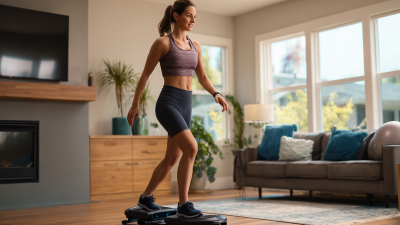
The Adjustable Height Exercise Step is a versatile tool for anyone seeking to enhance their fitness routine. Whether you are a beginner or an advanced athlete, this equipment offers various workout options. You can easily adjust the height to match your fitness level, making it suitable for different exercises.
Using an Adjustable Height Exercise Step can improve your cardiovascular health and build strength. The step is especially effective for aerobic workouts and can help tone your lower body. However, it’s essential to maintain proper form during exercises to avoid injury. Many users struggle with balance when first using the step, which may hinder progress.
Incorporating this tool into your workout regimen can lead to real results, but it requires commitment. Regularly challenging yourself with various heights can push your limits. However, practice is key, and it’s important to listen to your body to prevent stress or pain. Embrace the journey with the Adjustable Height Exercise Step for a successful fitness experience.
Understanding the Benefits of Adjustable Height Exercise Steps
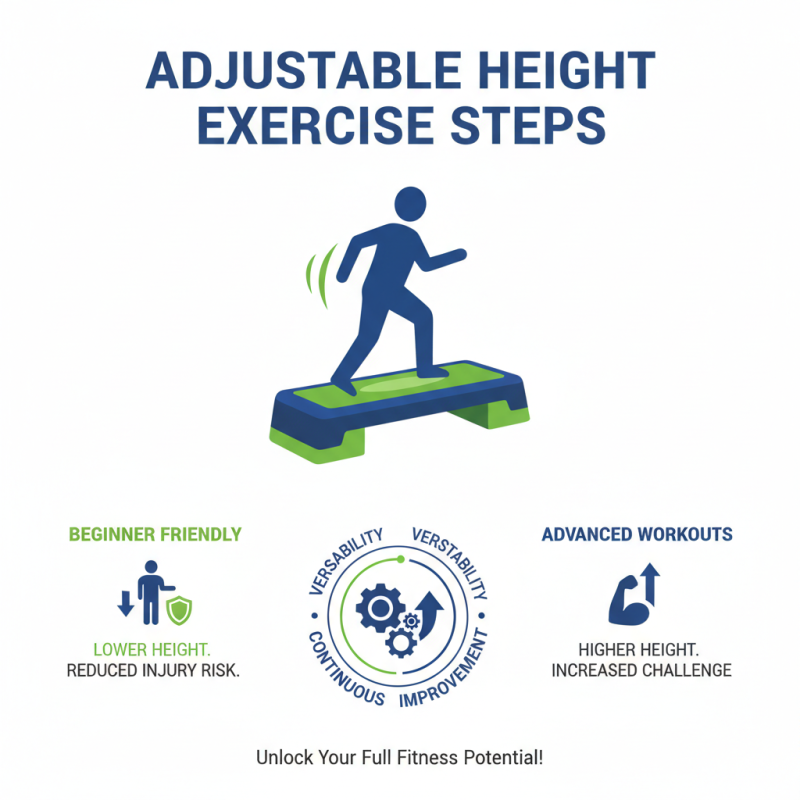
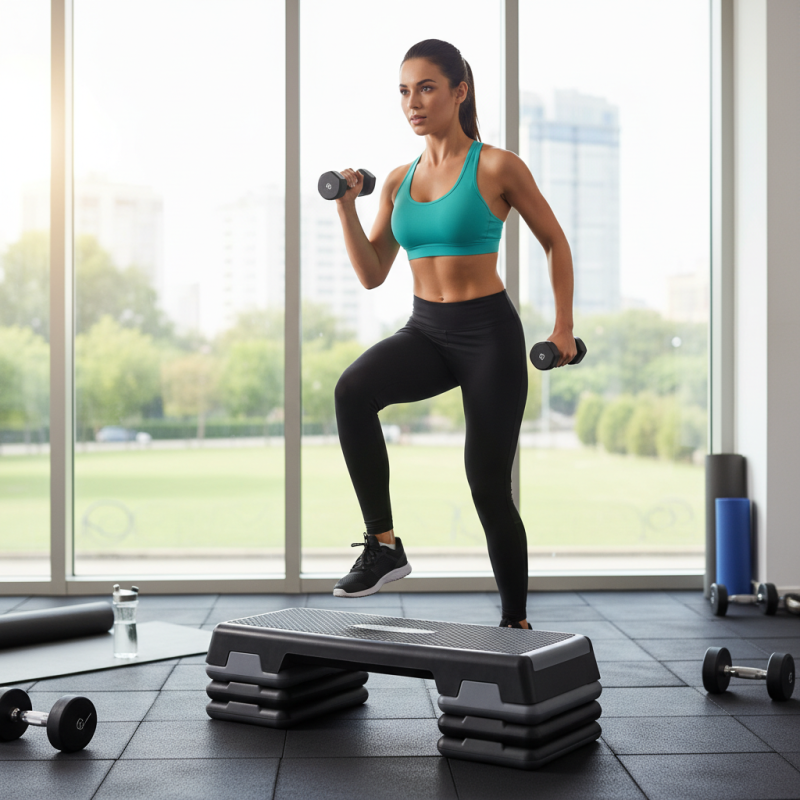
Adjustable height exercise steps offer unique advantages for fitness enthusiasts. They provide versatility, allowing users to modify the height based on their fitness level. For instance, a beginner can start at a lower height, reducing injury risks. Conversely, advanced users can set the step higher for a more challenging workout. This adaptability promotes continuous improvement and engagement.
Furthermore, the use of adjustable steps enhances cardiovascular health. They can be incorporated into various exercises such as step-ups, lunges, and even dance routines. These workouts boost heart rates effectively. Watching your stamina improve over time can be a thrilling experience. However, fluctuating between heights can sometimes lead to confusion. This inconsistency might disrupt your flow during a workout session.
Another benefit lies in space and storage efficiency. An adjustable step is compact and easy to store. You can tuck it away when not in use. Yet, ensuring it is secure when adjusting is crucial. Improper adjustments may lead to accidents. Regularly assessing its condition is important. These simple practices lead to safer workouts and better overall results.
Choosing the Right Adjustable Height Exercise Step for Your Needs
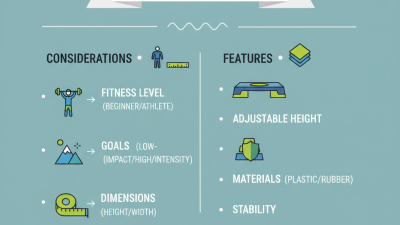
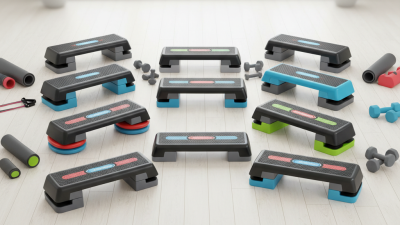
When choosing an adjustable height exercise step, consider your personal fitness goals. These steps enable a variety of workouts, from aerobic training to strength exercises. Look for one with multiple height settings, typically ranging from 4 to 8 inches. This flexibility allows you to adjust the step's height as your fitness level progresses.
Material also matters. A sturdy yet lightweight design is ideal for stability and portability. Some options may look appealing, but they might not support heavier weights safely. Test its grip on different surfaces to ensure it won’t slip during your workout sessions. Consider how often you plan to use it. If it’s a staple in your routine, investing in a quality option can be worthwhile.
Take time to research and compare features. It’s important to understand which steps align with your workout style. User reviews can be enlightening, revealing both positive experiences and potential drawbacks. Reflect on how the step complements your fitness journey. Make your choice wisely to enhance your exercise experience effectively.
Adjustable Height Exercise Step Usage Statistics
Techniques for Proper Use of Adjustable Height Exercise Steps
Using adjustable height exercise steps can enhance your workout significantly. Proper technique is essential for safety and effectiveness. Research indicates that incorporating step training can improve cardiovascular fitness by up to 25%. This underscores the importance of mastering techniques.
Begin by positioning the step on a flat surface. Avoid unstable areas. When practicing step-ups, keep your feet aligned with your hips. Ensure your entire foot is on the step, minimizing the risk of slipping. Studies show that maintaining proper posture decreases the chance of injury. Bend your knees slightly as you step down. This will help absorb impact on your joints.
Consider your height adjustments carefully. Higher steps increase intensity but also risk injury. Strive for a height that challenges you without compromising safety. Also, you might find that varying the height during your workout can alleviate monotony and keep motivation high. Pay attention to your body's signals. If you feel pain, it might mean you need to reassess your technique or step height. Engaging in self-reflection on your form can lead to better results.
Incorporating Adjustable Height Steps into Your Fitness Routine
Incorporating adjustable height steps into your fitness routine can elevate your workouts significantly. These versatile tools provide a range of benefits. You can customize the height to match your fitness level. This adaptability allows gradual progress, which is crucial for personal growth in fitness.
When you begin using adjustable height steps, prioritize safety. Ensure the step is stable before each workout. Adjusting the height increments can be challenging, so take your time to find what feels right for you. Listen to your body and avoid pushing beyond your limits. If you start feeling discomfort, it may be time to lower the height.
Here are some tips for effective use. Start with warm-ups to prepare your muscles. Incorporate various exercises like step-ups and box jumps to engage different muscle groups. Remember that consistency is key. Track your progression, but allow room for flexibility in your routine. Reflect on your achievements and areas for improvement as you continue your fitness journey. Adapt your goals as needed, and enjoy the process.
Safety Tips for Using Adjustable Height Exercise Steps Effectively
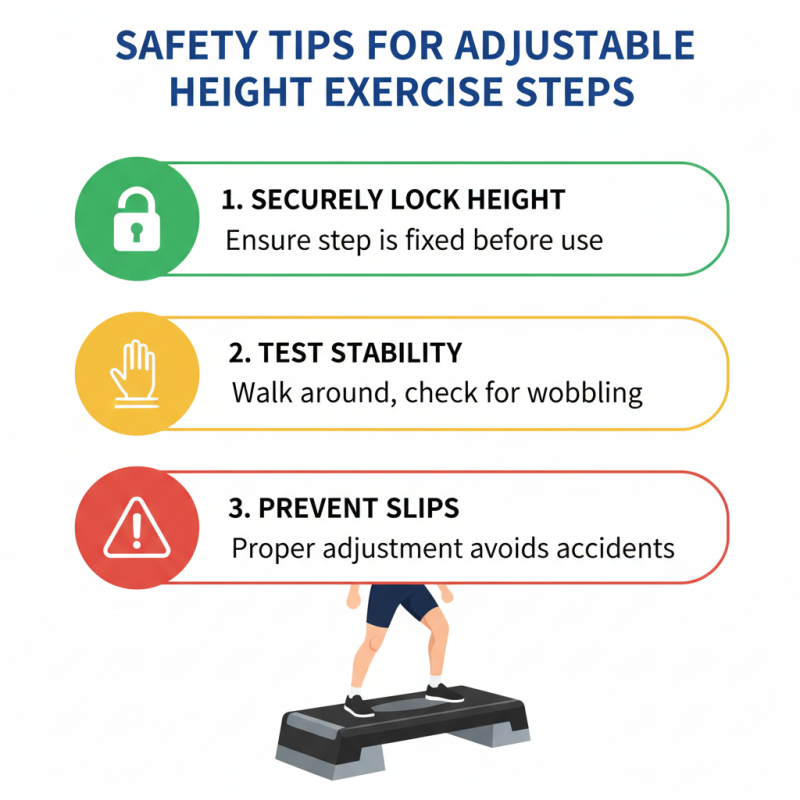
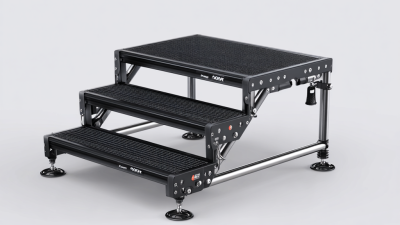
When using adjustable height exercise steps, safety comes first. Understanding how to set the height correctly is crucial. Always ensure the step is securely locked in place before you start your workout. Slips can occur if the height adjustment is not done properly. Testing the stability of the step before your workout is wise. Walk around it, check for wobbling, and ensure it feels secure.
Wear proper footwear during your exercises. Non-slip shoes will give you better grip and help prevent falls. Pay attention to your surroundings, too. Clear the area of any obstacles that could trip you up. It’s easy to become so focused on your routine that you overlook safety hazards. If you're new to using these steps, start slow. Use a height that feels comfortable, and gradually increase it as you gain confidence.
Listen to your body. If you experience pain while using the step, take a break. It might indicate the need for adjustments in your form or technique. Not every workout needs to be intense. Gradually building your strength and endurance is more effective than rushing into challenging exercises. Reflecting on your practices can lead to better long-term results.