2026 Top Aerobic Weighted Body Bar Benefits and Uses?
The Aerobic Weighted Body Bar has gained popularity in fitness circles. This versatile tool offers numerous benefits for those seeking an effective workout. With various weights available, it caters to different fitness levels.
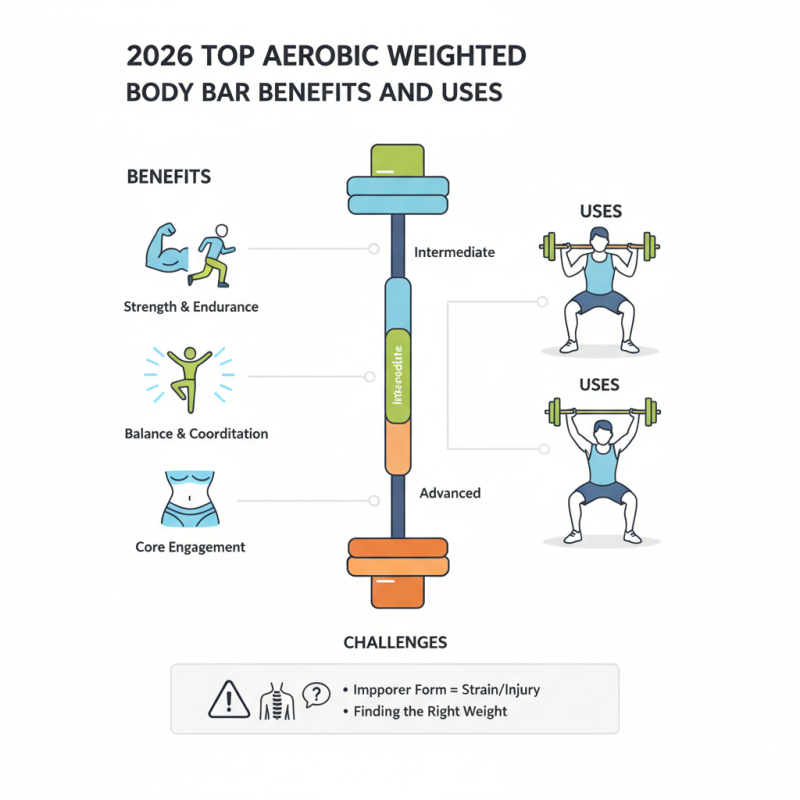
Incorporating the Aerobic Weighted Body Bar into your routine can enhance strength and endurance. It improves balance and coordination while also engaging core muscles. Many users appreciate its ability to combine aerobic and resistance training in one.
However, it’s not without challenges. Improper use can lead to strain or injury. It's crucial to focus on form and choose an appropriate weight. Despite its advantages, some may find it intimidating. Reflecting on these aspects will help you make the most of your workouts.
Benefits of Using Aerobic Weighted Body Bars for Fitness
Aerobic weighted body bars are versatile tools for enhancing fitness routines. They combine weight resistance with aerobic exercises, providing a full-body workout. Users can engage their muscles while improving cardiovascular health. These bars come in various weights, making them suitable for different fitness levels. Whether you are a beginner or a pro, body bars can challenge you.
To maximize your workout, focus on form. Proper posture is crucial when using weights. It reduces injury risk and enhances effectiveness. Try incorporating lunges or squats with the bar. These movements engage your core and legs simultaneously. Don't rush through your reps. Quality over quantity is key here.
Tips for using body bars: Start with a light weight. Gradually increase as your strength improves. Pay attention to how your body responds. If you feel discomfort, adjust your technique or weight. Consistency is vital, but listen to your body. Progress takes time, and it's okay to have off days. They can be opportunities for improvement.
2026 Top Aerobic Weighted Body Bar Benefits and Uses
| Benefit |
Description |
Uses |
Targeted Muscle Groups |
| Full-Body Workout |
Aerobic body bars engage multiple muscle groups during workouts. |
Group fitness classes, personal training sessions. |
Arms, legs, core. |
| Improved Strength |
Incorporating resistance helps in building muscle strength. |
Strength training routines. |
Upper body, lower body, core. |
| Increased Stability |
Balance training is enhanced through weighted resistance. |
Balance and stability exercises. |
Core, legs. |
| Cardiovascular Fitness |
Combines aerobic and strength training for heart health. |
Circuit workouts. |
Full-body. |
| Increased Flexibility |
Helps in stretching and improving range of motion. |
Flexibility routines. |
Muscle groups being stretched. |
Understanding the Mechanics of Aerobic Weighted Body Bars
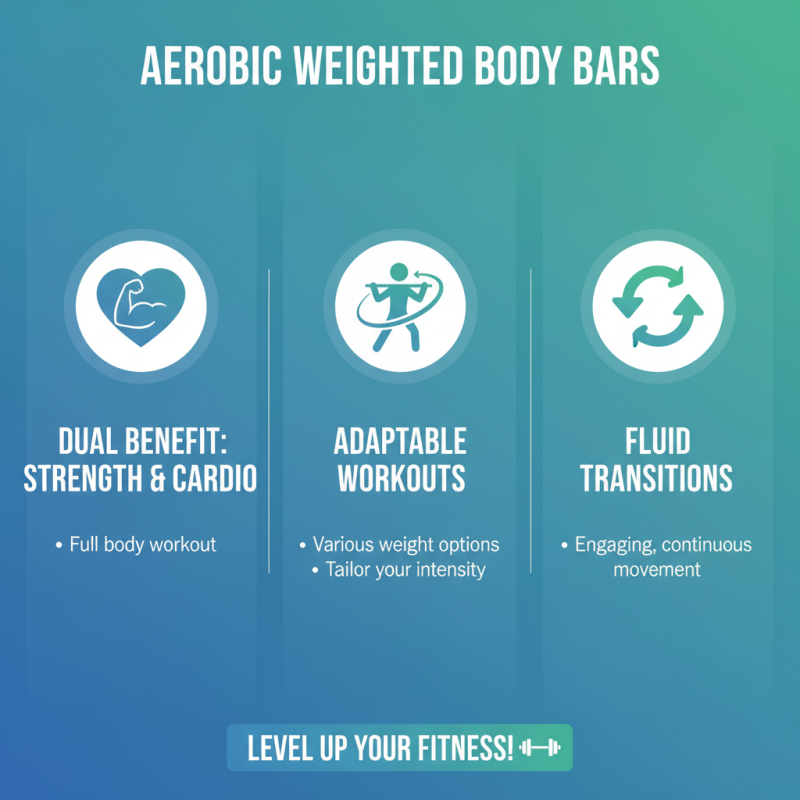
Aerobic weighted body bars are increasingly popular for fitness enthusiasts of all levels. They combine strength training and cardiovascular exercise in one workout. The mechanics behind these bars is fascinating. With various weight options, users can tailor their workouts. This versatility allows for smooth transitions between exercises, making routines engaging.
When using these bars, proper form is crucial. Many beginners struggle with coordination. It's important to focus on grip and posture during workouts. Poor alignment can lead to injury. Regular practice helps users become more comfortable, but mistakes are common. Developing strength and flexibility requires time and patience.
Incorporating aerobic weighted body bars into workouts can enhance endurance. Users often notice improvements in strength and agility. However, it's essential to listen to your body. Overtraining can lead to fatigue or strain. Fitness should be a gradual journey, filled with reflection and adjustment. Finding the right balance makes all the difference.
Key Exercises You Can Perform with Aerobic Weighted Body Bars
Aerobic weighted body bars are versatile tools for fitness enthusiasts. You can easily use them for strength training and aerobic workouts. These bars come in various weights. Choose one that suits your fitness level. It's essential to start light and gradually increase weight. You may feel sore at first, which is okay. It means you’re challenging your muscles.
Many exercises can be performed with these bars. One common movement is the squat press. Hold the bar at shoulder height while squatting. Press it overhead as you rise. This engages your legs, core, and shoulders. Another effective exercise is the lunge with rotation. Step forward into a lunge while twisting the bar side to side. This enhances balance and works the obliques.
Don't forget about your form. Poor form can lead to injury. Monitor your knees and back during exercises. It’s okay to seek advice from a fitness professional. Reflect on your progress regularly. Are you improving your strength and endurance? Assess your routine to keep it effective.
Tips for Incorporating Weighted Body Bars into Your Workout Routine
Incorporating weighted body bars into your workout can elevate your fitness routine. These versatile tools enhance strength training and improve coordination. Start slow, especially if you’re new. Intensity can build over time as your strength increases.
Consider using a body bar during various exercises, like squats or lunges. It adds resistance, making each movement more effective. Focus on your form. It’s easy to get distracted and lose alignment, which can lead to injury. Take the time to breathe correctly and engage your core.
You can also use body bars for balance exercises. Try standing on one leg while holding a bar for stability. This challenges your muscles and helps improve overall balance. Don’t feel discouraged if it doesn’t come easily. Balance takes practice, and it’s okay to wobble. Modifications can always make the exercises more achievable.
Listen to your body and adjust as needed.
Safety Considerations When Using Aerobic Weighted Body Bars
When using aerobic weighted body bars, safety is paramount. Injuries can occur if the user is not cautious. According to a 2021 fitness report, about 15% of weight training injuries are due to improper equipment use. This highlights the need for awareness and proper technique. Users should start with lighter weights to assess their form.
Tips: Always warm up before workouts. This helps prepare your muscles and joints, reducing injury risk.
Proper grip and stance are crucial. Incorrect holding can lead to wrist or back strain. The International Journal of Sports Medicine emphasizes the importance of maintaining a neutral spine during exercises. Without focus, form may deteriorate, increasing the chance of injury. Regularly check and adjust your posture throughout the workout.
Tips: Use mirrors to monitor your form. They provide instant feedback on your technique.
Listen to your body. Fatigue can lead to careless movements. A study from the American Council on Exercise found that over 30% of people push through pain. This is often unwise. Rest and recovery are as essential as the workout itself. Recognizing when to stop can prevent long-term damage.